Loading blog post...


Why Liquidity Depth Determines Success on Decentralized Exchanges
Liquidity depth is the invisible engine that drives success in decentralized finance. While decentralization offers users control and transparency, without a deep market, a DEX remains unusable due to high slippage and poor execution. This article explores why liquidity depth is the ultimate metric for DEX survival and how it shapes user trust in the evolving world of on-chain trading.
The rise of decentralized exchanges has reshaped how digital assets & crypto are traded. Instead of relying on centralized intermediaries, users now interact directly with on-chain protocols, keeping control of their funds while participating in global markets.
Yet not all DEX exchanges succeed. Some attract strong trading activity while others struggle to retain users despite strong branding or innovative ideas. The difference often comes down to one core factor: liquidity depth.
Liquidity isn’t just a technical metric, it is the foundation that determines whether a decentralized crypto exchange feels usable, efficient, and trustworthy. Understanding why liquidity matters helps explain both the strengths and limitations of modern decentralized trading infrastructure.
Understanding What Decentralized Meaning Really Implies for Exchanges
To understand why liquidity matters, it helps to step back and consider what decentralized actually means.
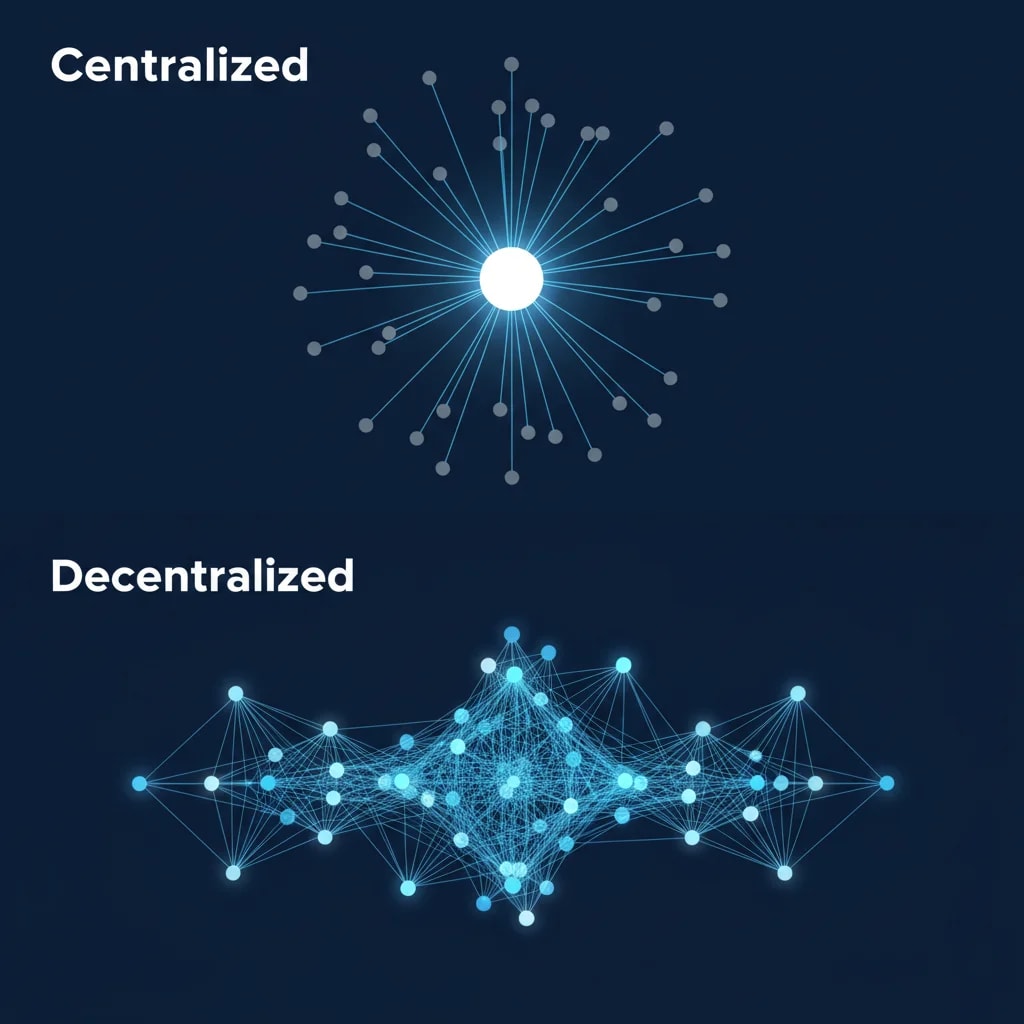
The decentralized meaning in English generally refers to distributing decision-making and control rather than concentrating it in a single authority. In blockchain, this translates into systems where users retain ownership and protocols enforce rules transparently.
Unlike centralized platforms, a decentralised exchange crypto model removes custodians and relies on smart contracts instead of intermediaries. This reflects broader concepts of decentralisation, similar in principle to ideas like:
- decentralization of power in organizations
- economic decentralization of systems
- decentralization and local governance models
The promise is openness but openness alone does not guarantee efficient trading.
Liquidity Depth: The Core Engine Behind Every DEX Exchange
Liquidity depth refers to how much capital is available for trading without causing large price movements. On a decentralized exchange crypto platform, liquidity is usually provided by users who contribute assets to pools rather than by centralized market makers.
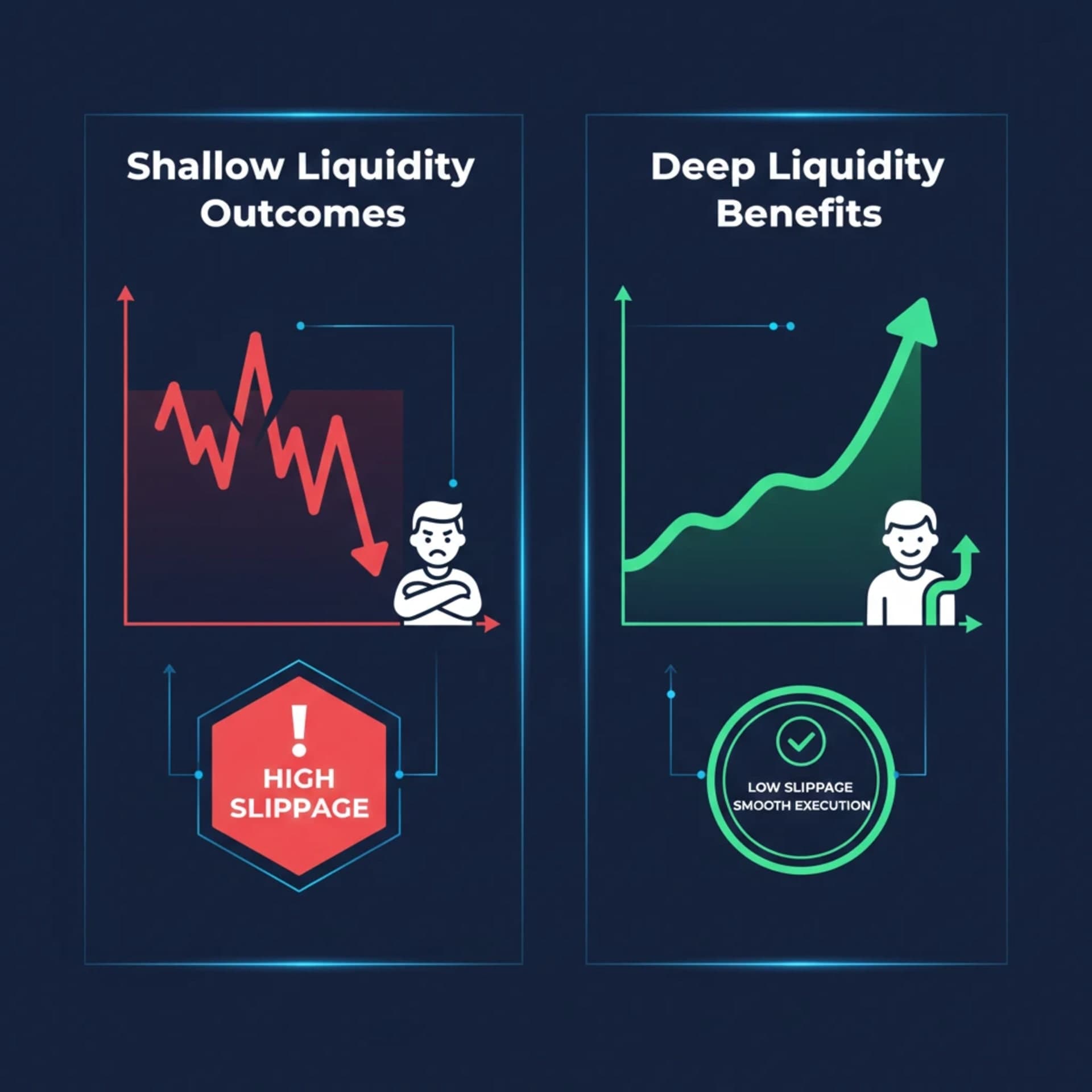
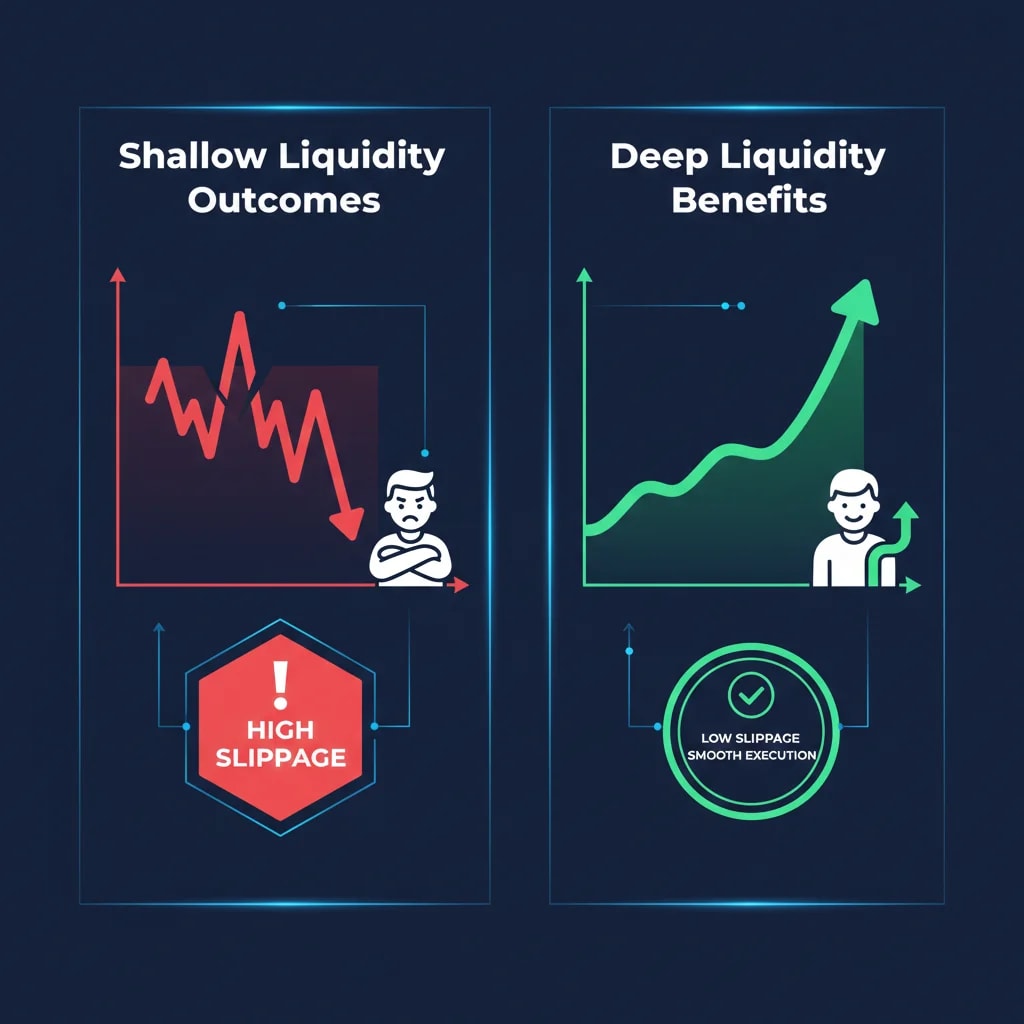
When liquidity is shallow:
- trades experience high slippage
- prices move unpredictably
- traders lose confidence
When liquidity is deep:
- orders execute smoothly
- price discovery improves
- trading volume increases naturally
This is why liquidity depth often determines whether a platform becomes the best decentralized exchange or fades into obscurity.
For teams designing scalable exchange systems, our blockchain consulting services help align protocol design with market mechanics. Get a free consultation.
How Dex Trading Depends on Liquidity Efficiency
In traditional finance, liquidity is managed by market makers and institutions. In dex trading, liquidity comes from decentralized pools and automated market maker algorithms.
This creates unique challenges:
- liquidity must be incentivized continuously
- pools must stay balanced across assets
- volatility can drain liquidity unexpectedly
Here, pointers clarify why traders care:
Deep liquidity improves:
- trade execution speed
- pricing stability
- confidence for larger trades
Without sufficient liquidity, even well-designed crypto decentralized exchanges struggle to compete with centralized alternatives.
Comparing Centralized and Decentralized Cryptocurrency Markets
Centralized exchanges often appear more efficient because they aggregate vast liquidity internally. In contrast, decentralized cryptocurrency trading spreads liquidity across many protocols.
This fragmentation leads to:
- uneven trading experiences
- varying spreads between platforms
- difficulty identifying the true market price
As a result, the list of decentralized exchanges often shows large differences in trading volume, even among technically similar platforms.
Liquidity and the Evolution of DeFi Market Structures
Liquidity depth also shapes the broader evolution of DeFi ecosystems. Many decentralized exchanges now integrate lending, staking, or routing systems to maintain liquidity and improve capital efficiency.
This evolution reflects broader principles seen in other forms of decentralization:
- administrative decentralization in institutions
- fiscal decentralization and resource allocation
- political decentralization enabling distributed participation
In both governance and markets, distributed systems succeed only when resources flow efficiently.
Why Incentives Matter for Decentralised Exchange Crypto Growth
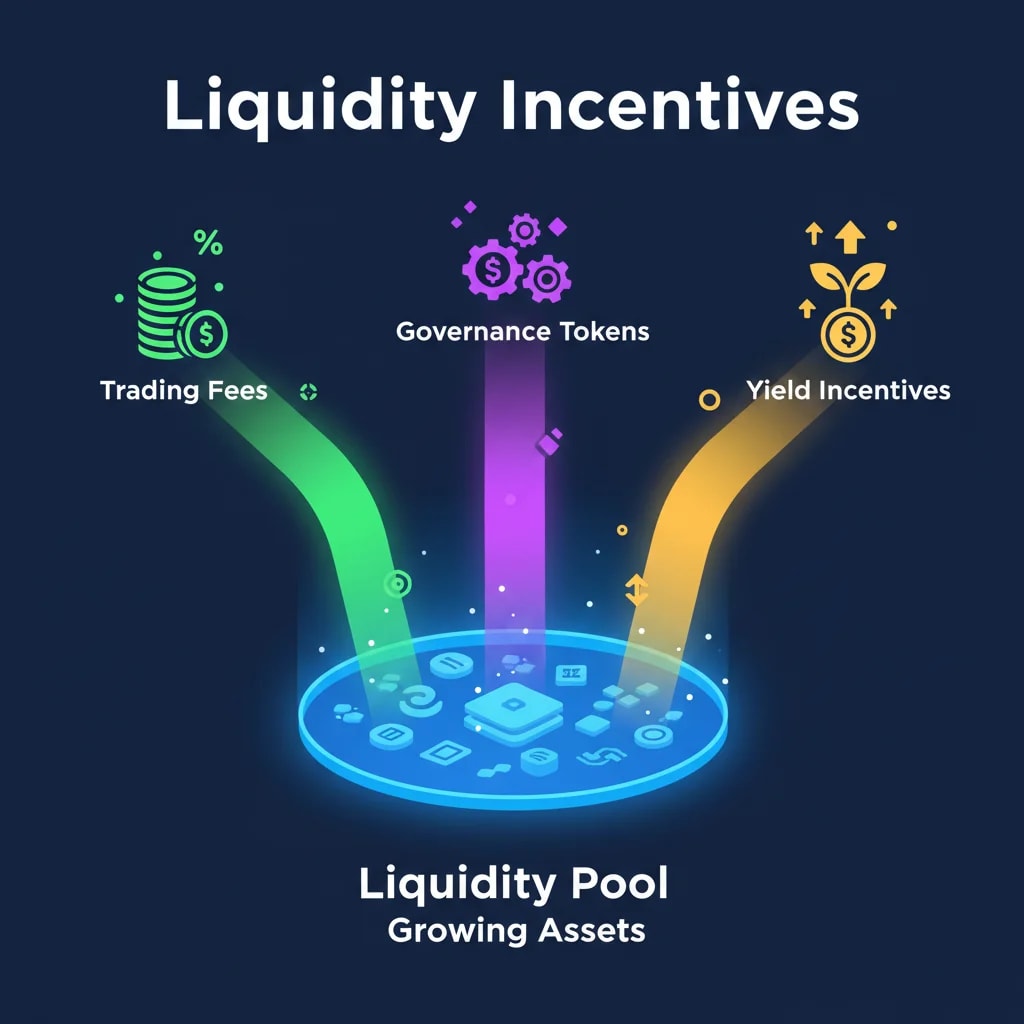
Liquidity does not appear automatically. It is created through incentives that attract participants to supply capital.
Common mechanisms include:
- trading fee sharing
- governance tokens
- yield incentives
However, incentives must be sustainable. Overpaying liquidity providers may boost activity temporarily but often leads to collapse once rewards decline.
For teams designing sustainable token models, our token design services help align liquidity incentives with long-term growth.
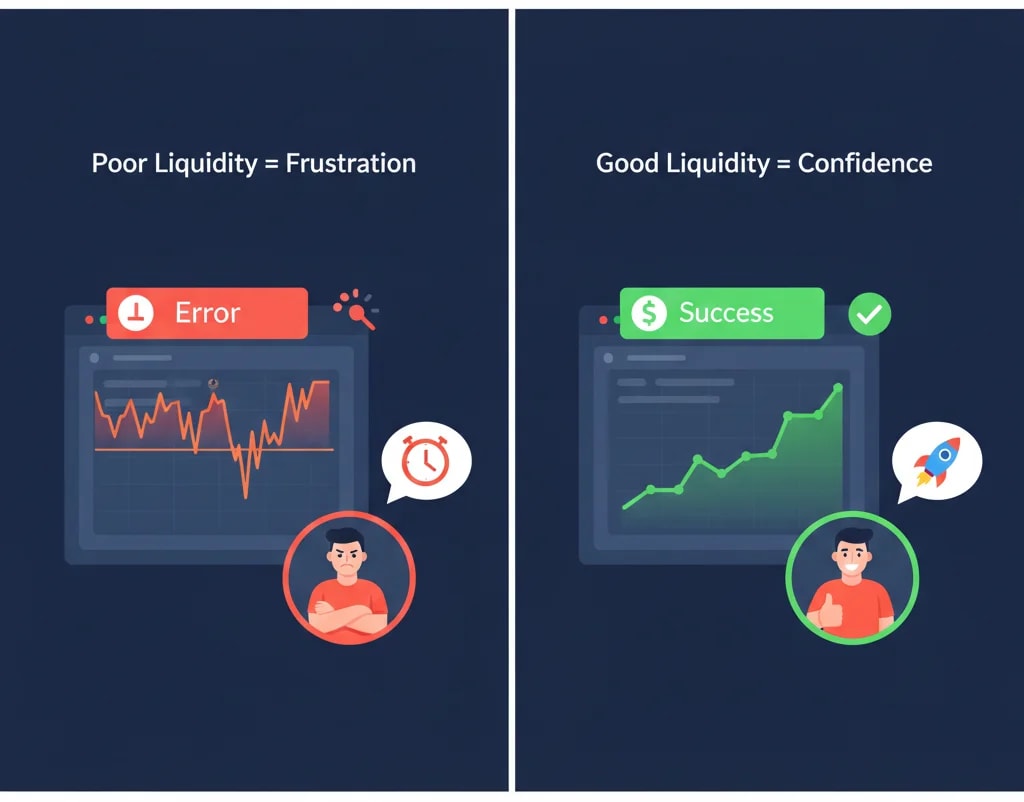
Liquidity Depth Shapes User Trust and Adoption
Most users don’t consciously think about liquidity, they feel it.
A decentralised crypto exchange with strong liquidity feels:
- fast
- predictable
- professional
Poor liquidity, on the other hand, creates frustration and discourages repeat usage.
This user experience factor explains why many traders choose the best decentralized exchange based on execution quality rather than feature lists.
Decentralization Meaning in Management and Market Design
The idea of decentralization meaning in management is often about distributing responsibility while maintaining coordination. The same applies to exchanges.
A decentralized trading system must balance:
- openness and access
- distributed liquidity providers
- efficient coordination mechanisms
This parallels broader ideas such as decentralized planning, decentralisation of power, and types of decentralization seen across economic and governance systems.
Liquidity is the mechanism that keeps this coordination functional.
FAQ: Liquidity and Decentralized Exchanges
Q: What is a decentralized exchange?
A: A trading platform where users trade directly through smart contracts without centralized custody.
Q: Why is liquidity depth important in DEX trading?
A: It reduces slippage and improves trade execution.
Q: Are all decentralized exchanges equally liquid?
A: No, liquidity varies widely across platforms.
Q: How do decentralized exchanges get liquidity?
A: Through user-provided pools and incentive mechanisms.
Q: Can a decentralized exchange succeed without deep liquidity?
A: Rarely, liquidity is central to adoption and long-term survival.
Conclusion
Liquidity depth is the invisible force that determines whether a decentralized exchange thrives or struggles. While decentralization enables openness and user control, liquidity is what turns those ideals into functional trading experiences.
As crypto decentralized exchanges continue to evolve, long-term success will rely less on novelty and more on how well platforms design incentives, market structures, and integrations that sustain deep liquidity. It’s a challenge that experienced builders like EthElite approach at the architecture level, where token design, trading flows, and user behavior all intersect.
In decentralized systems whether in governance, economics, or finance, distributed power only works when resources move efficiently. In trading, liquidity is that flow.
Share with your community!