Loading blog post...


Understanding How Tokenomics Impacts the Long-Term Value of a Crypto Project
In the early days of crypto, hype could carry a launch. Today, sustainability decides survival. While technology builds the protocol, tokenomics builds the future. This deep dive explores the financial engineering required to turn a 'new coin' into a resilient digital economy, covering everything from scarcity mechanics to the unique incentive structures of AI-powered platforms.
In the early days of crypto, hype could carry a launch. Today, sustainability decides survival.
Behind every serious crypto project, whether it’s a DeFi protocol, an nft blockchain, or an AI-powered platform, lies one core foundation: Tokenomics.
Tokenomics determines how value is created, distributed, sustained, and sometimes diluted. If architecture defines how a system runs, tokenomics defines whether it lasts.
Let’s break down how tokenomics directly impacts the long-term value of a web3 project.
What Tokenomics Means for a Blockchain Project
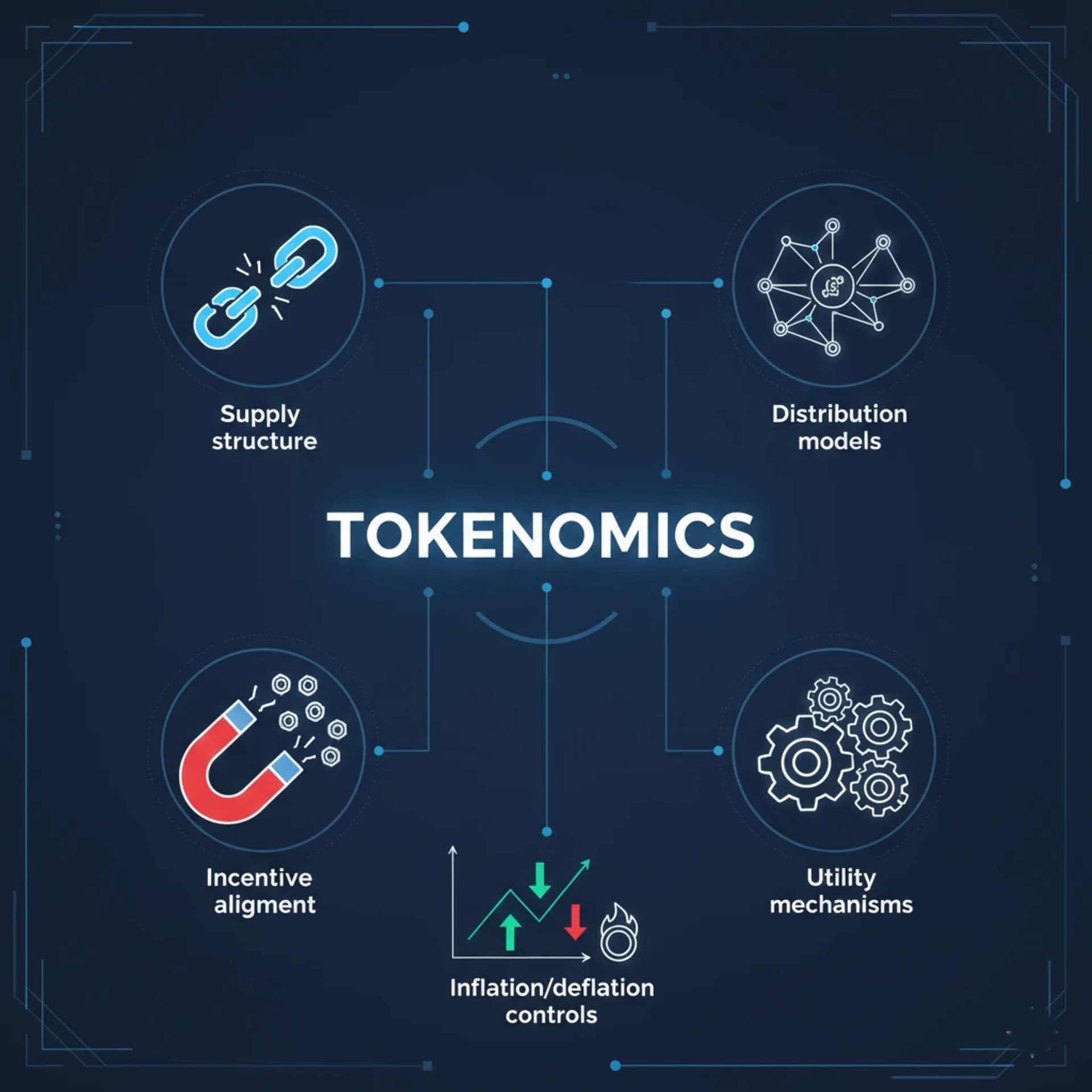
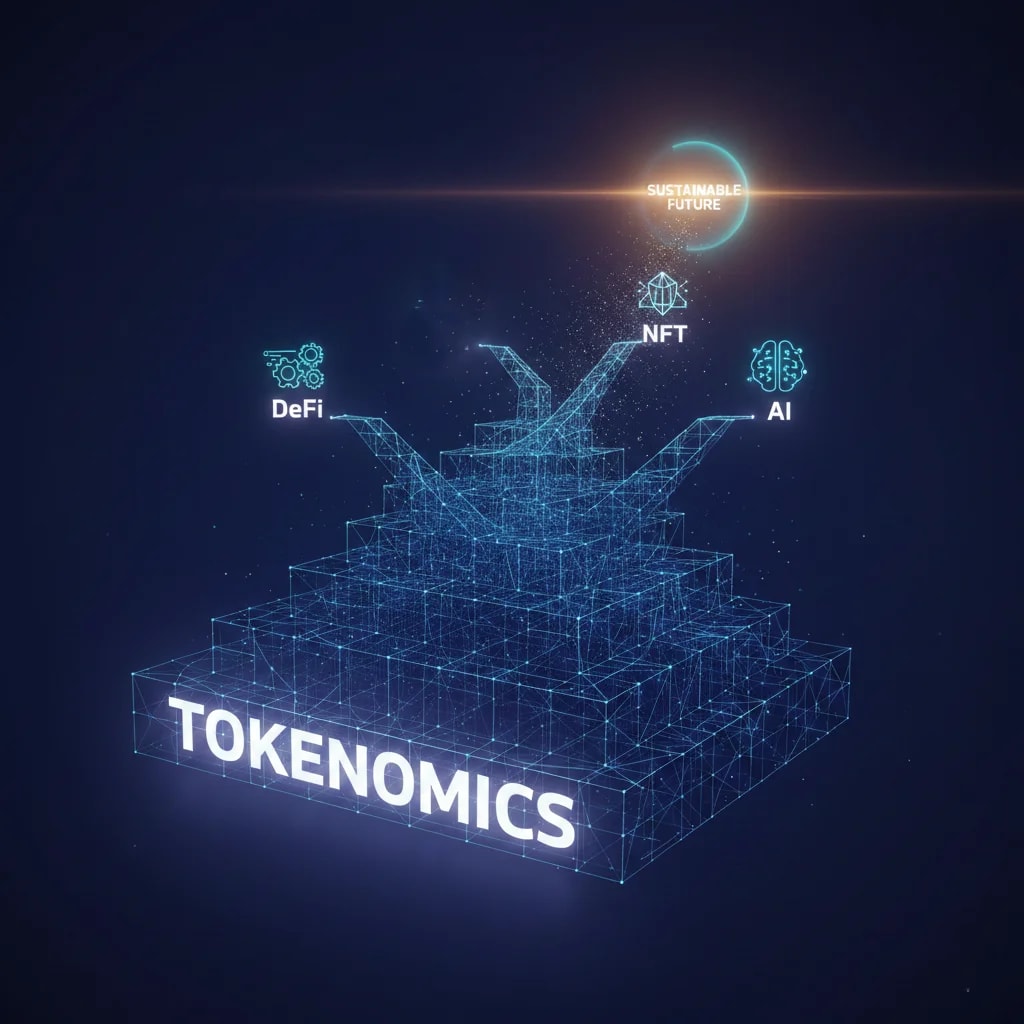
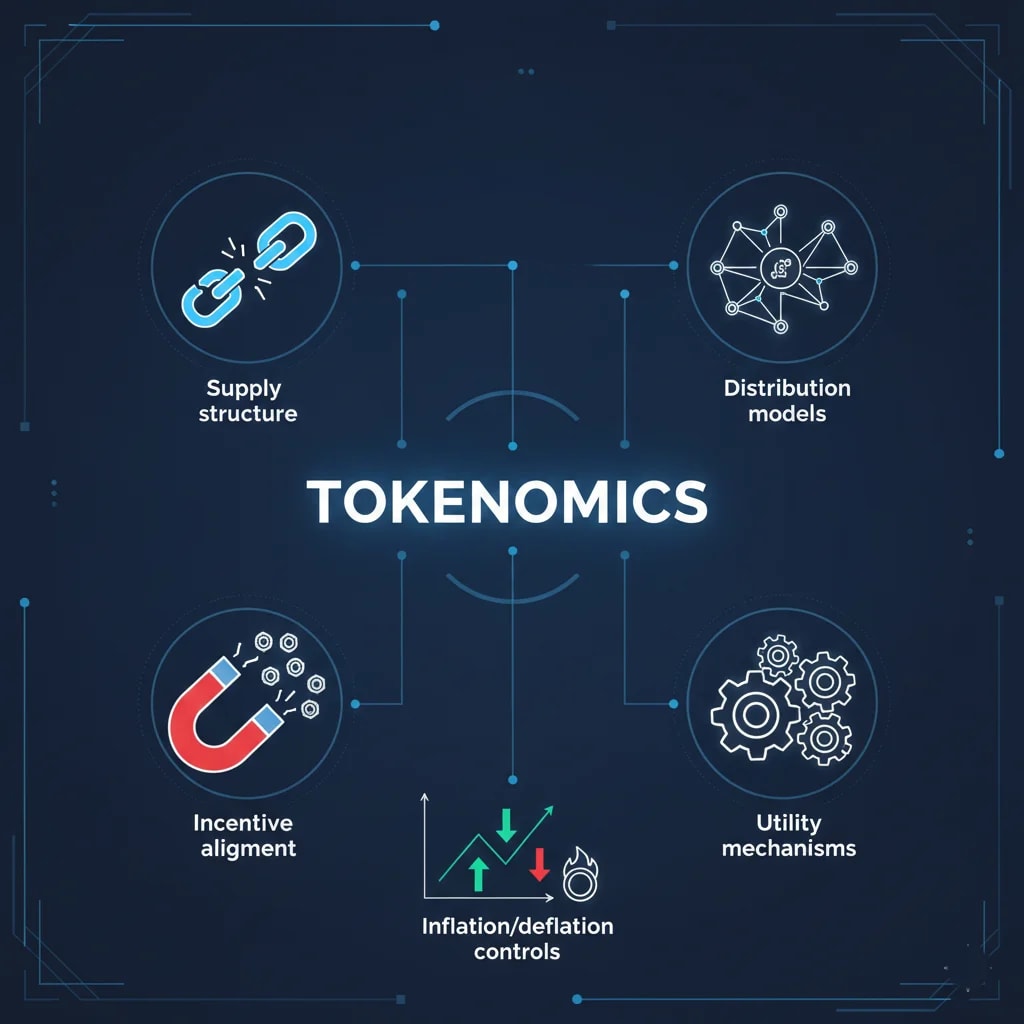
Tokenomics refers to the economic design of a crypto token within a blockchain project. It governs:
- Supply structure
- Distribution models
- Incentive alignment
- Utility mechanisms
- Inflation or deflation controls
When structured correctly, tokenomics supports ecosystem growth. When poorly designed, even promising new crypto projects struggle to retain value.
For builders exploring sustainable token design, see our services on Crypto Token Development and get started today.
Supply Mechanics: Scarcity vs Inflation in Newest Crypto Coins
Supply is the first variable investors evaluate in newest crypto coins and new coins launched on exchanges.
A token’s total supply can be:
- Fixed and capped
- Inflationary
- Deflationary through burn mechanisms
- Dynamically adjusted
Scarcity often influences early excitement around the newest crypto, but long-term value depends on how supply aligns with actual demand.
For example:
- A capped supply without utility leads to stagnation.
- High inflation without ecosystem growth erodes value.
Tokenomics must balance supply pressure with adoption growth and that balance becomes visible when the narrative is positioned right, something EthElite understands deeply. Avail a free consultation today and get started.
Utility Design in Upcoming Crypto Projects
A crypto token needs purpose. Without utility, speculation fades quickly.
Strong upcoming crypto projects integrate tokens into:
- Governance voting
- Staking rewards
- Transaction fee payments
- Access to premium features
- Ecosystem incentives
Utility-driven tokenomics creates organic demand.
For example, in an nft crypto marketplace:
- The token may be required for minting.
- It could reduce marketplace fees.
- It might determine staking eligibility.
Token demand then grows alongside platform usage, stabilizing the nft token price.
Presale Token Strategy & Early Distribution Impact
The structure of a presale token launch significantly impacts long-term sustainability.
Poorly structured presales often cause:
- Early whale dominance
- Massive sell pressure post-listing
- Volatile price swings
Healthy tokenomics for new crypto projects includes:
- Vesting schedules
- Gradual unlock mechanisms
- Fair distribution ratios
- Transparent allocation breakdowns
If early distribution is concentrated, it destabilizes price performance after listing among new listed coins.
Smart token allocation ensures ecosystem participants, not just early investors benefit from long-term growth.
Tokenomics in AI Tokens & New Crypto Mining Projects
Emerging sectors like ai tokens and new crypto mining projects introduce additional economic layers.
For AI-based ecosystems:
- Tokens may reward data contributors.
- They might compensate model validators.
- They could power decentralized compute marketplaces.
In new crypto mining projects, tokenomics often governs:
- Block rewards
- Mining difficulty adjustments
- Incentive halving cycles
Economic sustainability depends on aligning rewards with network health rather than short-term speculation.
NFT Blockchain Models & NFT Token Price Stability
In the nft blockchain ecosystem, tokenomics influences both NFT liquidity and token value.
A project integrating NFTs must consider:
- Royalty distribution logic
- Creator reward models
- Marketplace transaction fees
- Token burn mechanisms
If NFT trading volume drops, token demand may decline unless alternative utility exists.
Stabilizing nft token price requires diversified ecosystem use cases beyond minting and trading.
Market Events & Visibility: Token2049 and Ecosystem Positioning
Major events like Token2049 highlight how narrative influences perceived value.
However, marketing visibility cannot replace strong tokenomics.
While exposure helps upcoming crypto projects gain traction:
- Long-term growth depends on economic design.
- Exchange listings among new listed coins only create temporary momentum.
- Sustainable value requires ongoing ecosystem engagement.
A well-designed token economy ensures that attention converts into retention.
Governance & Incentive Alignment in Web3 Projects
A mature web3 project treats its token as an incentive coordination tool.
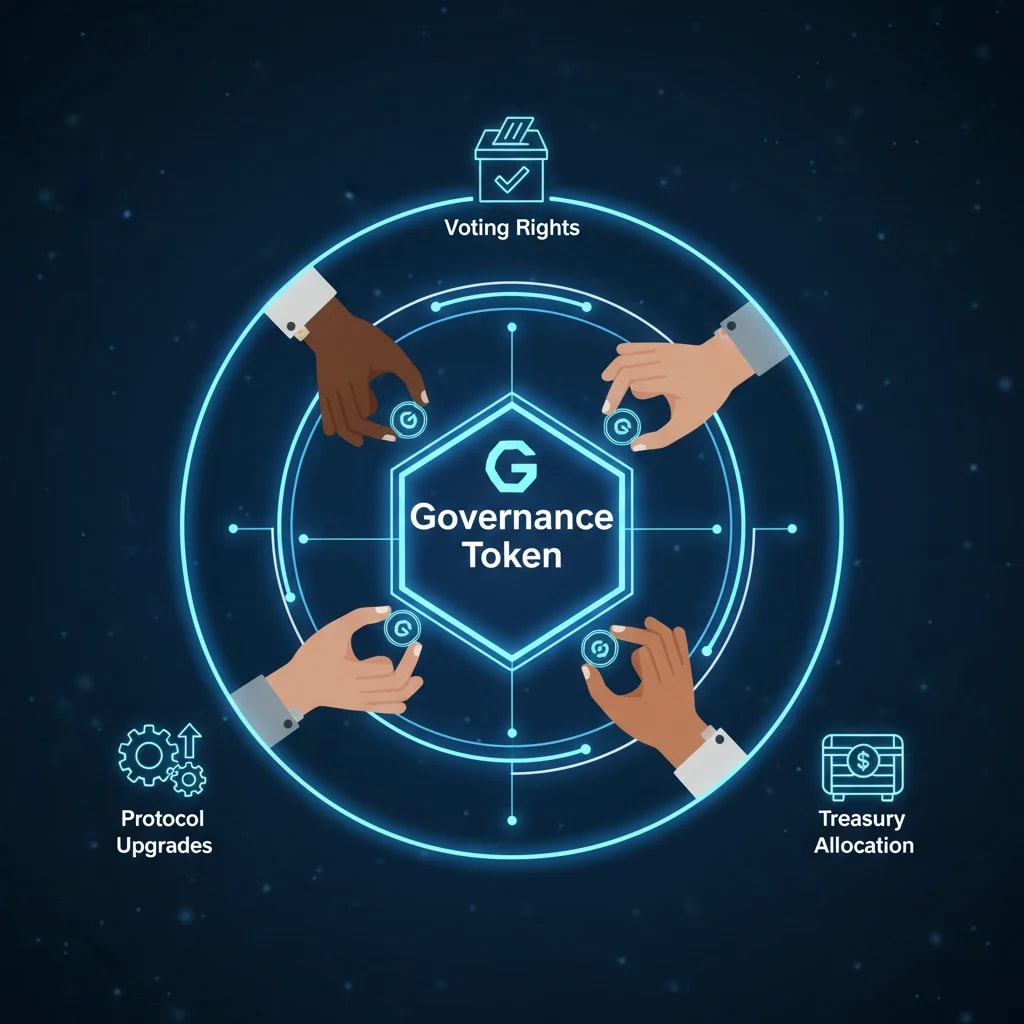
Proper governance tokenomics enables:
- Community voting rights
- Protocol upgrades
- Treasury allocation decisions
- Decentralized growth funding
This strengthens loyalty and long-term holding behavior within crypto projects.
When users feel ownership, they contribute to ecosystem expansion rather than short-term exit strategies.
Risks of Weak Tokenomics in Newest Crypto Launches
Many newest crypto coins fail not because of poor technology, but because of weak economic design.
Common mistakes include:
- Over-allocation to founders
- No vesting controls
- Lack of token utility
- Excessive inflation rates
- Incentives that encourage dumping
Without proper tokenomics, even innovative new tokens struggle to maintain relevance. Economic architecture matters more than initial hype.
Why Tokenomics Defines Long-Term Value
In any blockchain project, tokenomics functions as the economic engine.
It determines:
- Price stability
- Liquidity sustainability
- Community engagement
- Ecosystem expansion
- Investor confidence
From nft crypto ecosystems to AI-powered platforms and new crypto mining projects, value flows through incentive alignment.
The most resilient crypto projects understand that tokenomics is not a marketing feature. It is financial engineering.
FAQs on Tokenomics & Crypto Projects
Q: What is Tokenomics in a crypto project?
A: Tokenomics refers to the economic structure of a crypto token, including supply, distribution, incentives, and utility design within a blockchain project.
Q: Why is tokenomics important for new crypto projects?
A: Strong tokenomics ensures price stability, prevents excessive inflation, aligns incentives, and supports sustainable ecosystem growth.
Q: How does a presale token impact long-term value?
A: Presale structure affects early supply distribution. Poor allocation or lack of vesting can lead to heavy sell pressure after launch.
Q: Do new listed coins automatically gain value?
A: Exchange listing increases visibility, but long-term value depends on token utility, supply management, and ecosystem adoption.
Conclusion
The difference between short-lived hype and sustainable growth lies in Tokenomics. Whether launching new coins, structuring AI tokens, or building a full-scale Web3 project, economic architecture is what determines resilience over time.
A token is the coordination layer, an incentive engine and a structural commitment to how an ecosystem evolves. Designing that architecture requires balancing utility, scarcity, governance, and real adoption, an approach we at EthElite tend to prioritize when shaping long-term blockchain systems. In crypto, technology builds the protocol but tokenomics builds the future.
Share with your community!