Loading blog post...


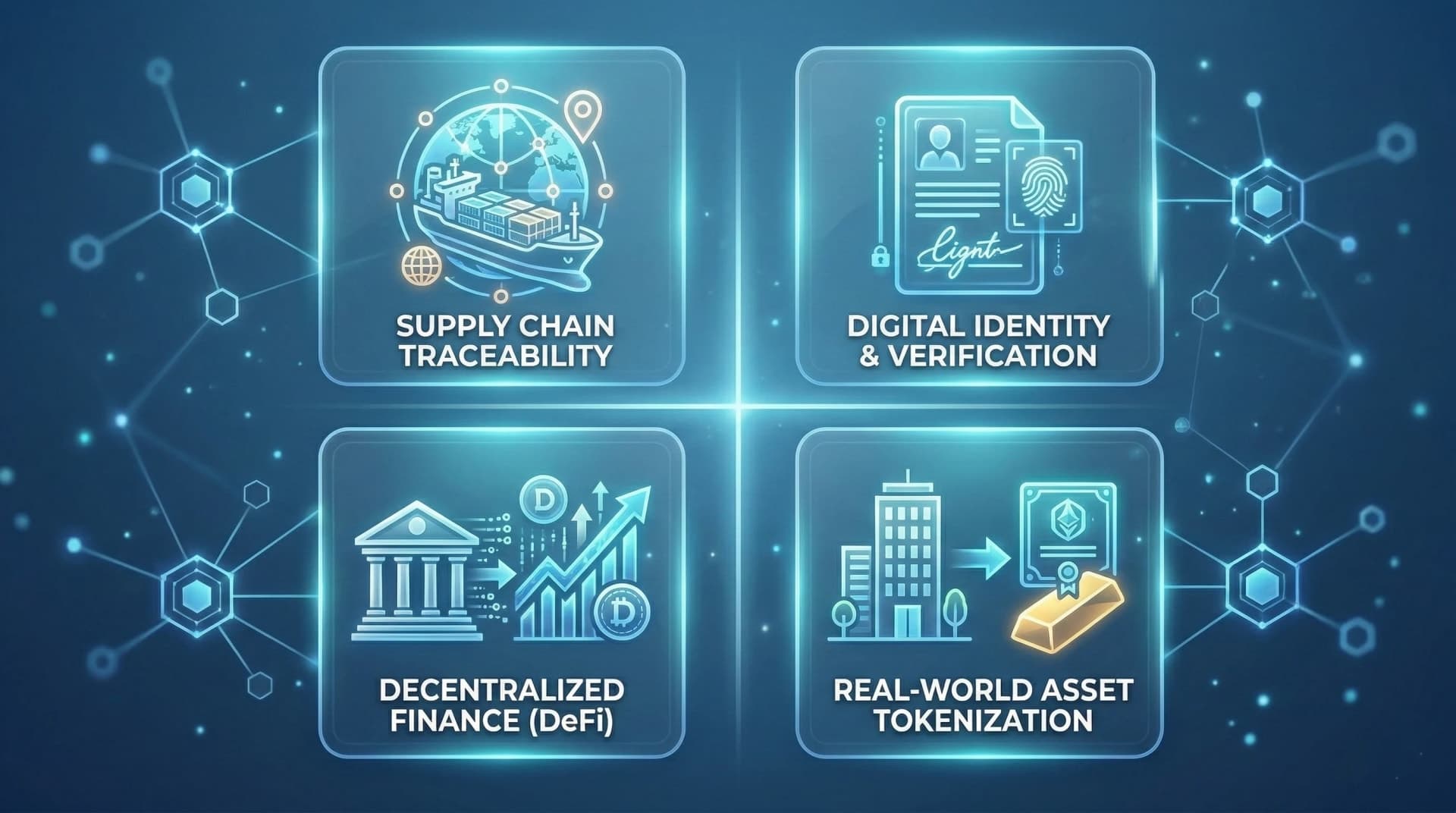
Key Web3 Trends Driving Innovation in Blockchain Technology
The internet is shifting from platform ownership to protocol ownership. Web3 technology is redefining how data, assets, and identities move across digital ecosystems, with blockchain forming the core infrastructure. From decentralized applications (dApps) to high-performance coding in Rust and Solidity, explore the key trends driving this structural revolution and how businesses can strategically position themselves for the next phase of the digital economy.
The internet is not evolving quietly. It’s shifting structurally. Web3 technology is redefining how data, assets, and identities move across digital ecosystems, while blockchain technology forms the core infrastructure powering this transition.
If you’re building, investing, or simply exploring, understanding these shifts isn’t optional anymore. Let’s break down the key trends shaping the blockchain revolution and how businesses can position themselves strategically.
Web3 Meaning in Action: From Centralized Platforms to Web3 Websites
Before diving into trends, it’s important to understand the web3 meaning beyond buzzwords.
At its core, web3 represents:
- User ownership of data
- Decentralized applications
- Tokenized digital economies
- Trustless infrastructure
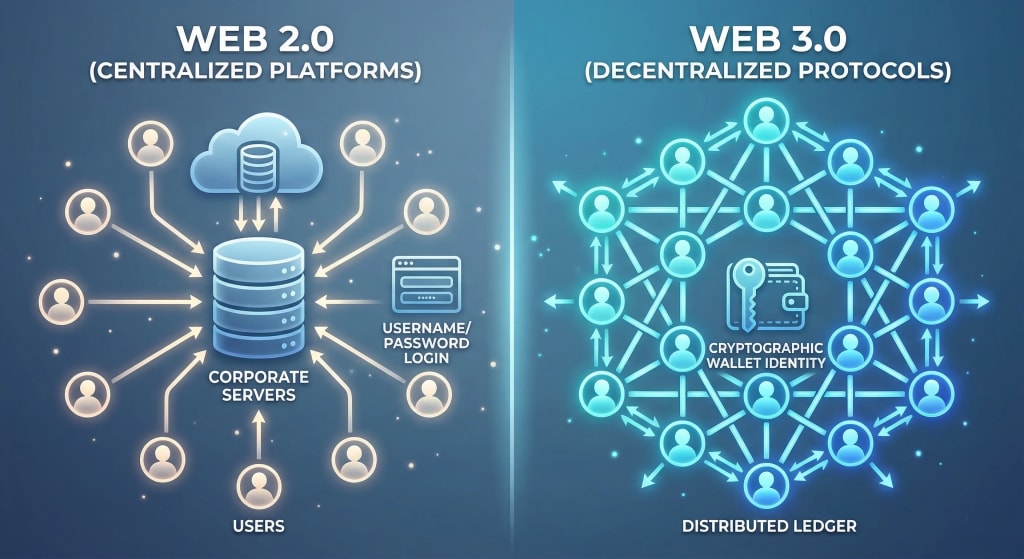
A web3 website isn’t just a redesigned interface. It connects directly to wallets, smart contracts, and decentralized storage layers. Instead of logging in with email-password systems, users interact through cryptographic identities.
This shift marks the real transition from Web 2.0 to web 3.0 technology, where control moves from corporations to protocols.
If you're planning to build one, consult EthElite on Web3 Website Development Solutions.
Blockchain Explained: Understanding Blockchain Basics for Builders
To fully grasp Web3, you must first define blockchain clearly.
Blockchain explained simply:
A distributed digital ledger that records transactions across a decentralized network of nodes, ensuring transparency, immutability, and consensus.
Key blockchain basics include:
- Decentralization
- Cryptographic hashing
- Consensus mechanisms
- Smart contracts
- Immutable transaction history
When we define blockchain technology, we’re describing a blockchain system that removes centralized intermediaries while preserving security and verification.
For beginners looking to learn blockchain, mastering these fundamentals is non-negotiable. Think of it as “101 blockchain” before jumping into advanced blockchain engineering.
Web3 Tech Meets Real Utility: Blockchain Technology Applications Beyond Cryptocurrency
While blockchain in cryptocurrency was the first breakout use case, the landscape has expanded dramatically.
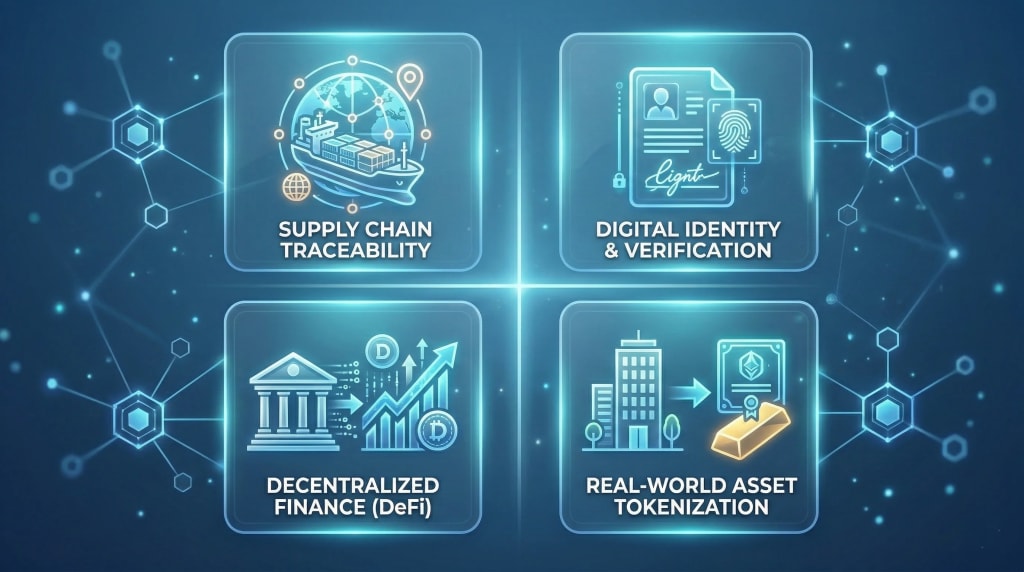
Today’s leading blockchain technology applications include:
- Supply chain traceability
- Digital identity verification
- Tokenization of real-world assets
- Decentralized finance (DeFi)
- NFT-based ownership models
- Cross-border payments
The growth of these use cases is what truly defines the blockchain revolution not speculation, but infrastructure transformation.
If you're exploring enterprise adoption, our custom Blockchain Development Services outlines scalable integration models.
Rise of Blockchain Development Companies in the Web3 Technology Era
As adoption grows, businesses increasingly rely on specialized blockchain technology companies to design and deploy decentralized systems.
A professional blockchain development company typically offers:
- Smart contract development
- dApp architecture design
- Token creation
- Web3 website integration
- Security audits
- Protocol engineering
Modern blockchain development services go beyond coding. They involve economic modeling, governance structures, and long-term scalability planning.
Choosing the right partner directly impacts the resilience of your blockchain website or decentralized application.
Blockchain Programming Language Evolution & Coding for Blockchain
Behind every decentralized protocol lies advanced blockchain coding.
The most popular blockchain programming language options include:
- Solidity (Ethereum-based smart contracts)
- Rust (high-performance blockchains)
- Vyper (security-focused smart contracts)
- Go (blockchain infrastructure systems)
Learning coding for blockchain today means understanding:
- Smart contract logic
- Gas optimization
- Security patterns
- On-chain/off-chain architecture
For aspiring blockchain developers, this field combines cryptography, distributed systems, and economic design. It’s not just software development, it’s protocol engineering.
Blockchain Engineering & Scalable Blockchain Systems
Early blockchain networks faced performance challenges. Modern blockchain engineering focuses on solving:
- Scalability bottlenecks
- Network congestion
- Interoperability gaps
- Layer-2 integrations
Today’s advanced blockchain system architecture includes:
- Rollups
- Sidechains
- Modular blockchain frameworks
- Cross-chain bridges
This evolution of web3 tech ensures that decentralized applications can support real-world scale without compromising decentralization principles.

The Blockchain Revolution: Institutional Adoption & Enterprise Integration
The next wave of innovation is driven by enterprises integrating web3 technology into core operations.
Corporations are using blockchain to:
- Reduce operational friction
- Enhance transparency
- Automate compliance
- Strengthen data integrity
This signals a shift from experimentation to infrastructure-level integration.
The blockchain revolution is no longer limited to startups. Established institutions now treat blockchain development services as long-term strategic investments rather than innovation experiments.
Future of Web 3.0 Technology & the Role of Blockchain Developers
The future of web 3.0 technology depends on skilled blockchain developers capable of building secure, scalable decentralized systems.
As demand grows:
- Talent shortages increase
- Specialized blockchain engineering roles emerge
- Security auditing becomes mandatory
- Protocol governance becomes more sophisticated
Those who learn blockchain today are positioning themselves at the forefront of a structural internet transformation.
The internet is shifting from platform ownership to protocol ownership. And blockchain technology is the foundation enabling that shift.
Final Thoughts: Why Businesses Must Act Now
Mastering blockchain basics, and choosing the right blockchain development company are no longer optional strategies.
Web3 is not a passing trend. It’s an infrastructure upgrade.
Whether you're planning a Web3 product while exploring blockchain technology applications, or building the next decentralized product, the advantage lies in early, informed execution. This is where EthElite operates: bridging strategy and engineering to turn blockchain concepts into scalable, production-ready systems.
The next phase of the internet will not be controlled. It will be engineered.
And those who understand Web3 tech and blockchain coding today will define tomorrow’s digital economy.
Share with your community!