Loading blog post...


How Tokenization Transforms Real-World Assets Into Onchain Value
Ownership is undergoing a digital revolution. Discover how tokenization converts physical assets from real estate to gold into programmable blockchain tokens, unlocking global liquidity, fractional ownership, and a new era of transparent financial infrastructure.
Ownership is evolving. What once required paperwork, intermediaries, and jurisdictional barriers can now be represented digitally and moved across borders within seconds.
This transformation is powered by tokenization, a process that converts tangible and intangible assets into blockchain-based representations.
As real world assets enter the blockchain ecosystem, a new financial infrastructure is emerging - transparent, programmable, and fundamentally onchain.
Let’s explore how this shift is redefining value itself.
Tokenization Meaning: Turning Physical Ownership Into Digital Token Logic
To begin, we need clarity on tokenization meaning.
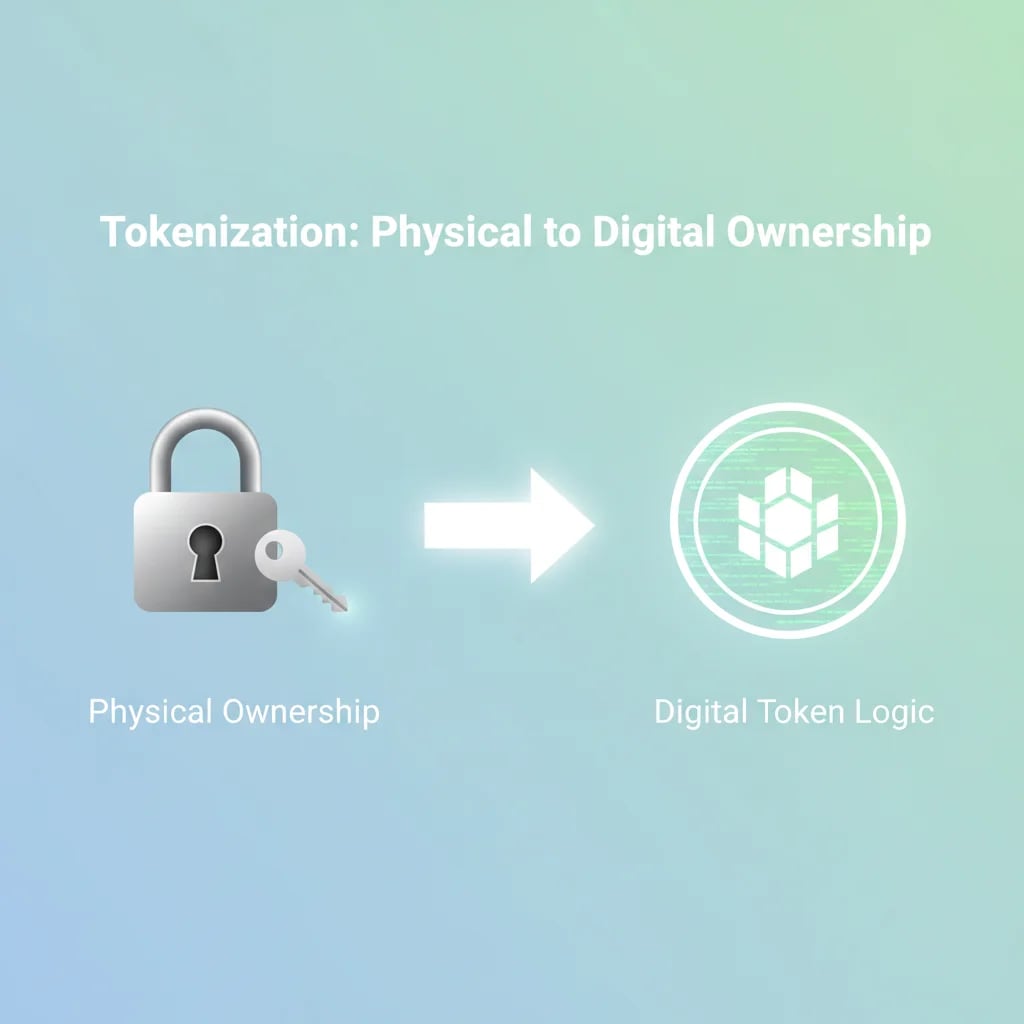
In simple terms, tokenization is the process of converting ownership rights of an asset into a digital token stored on a blockchain network.
That asset could be:
- Real estate
- Commodities
- Equity shares
- Art
- Bonds
- Intellectual property
Unlike traditional digitization, tokenization embeds ownership rules directly into code. Each token represents a fractional or full claim on an asset, governed by smart contract logic.
For deeper technical insights, consult our experts for free on Blockchain Asset Development.
Real World Asset Tokenization: Bridging Traditional Finance With Onchain Infrastructure
Real world asset tokenization (often referred to as RWA tokenization) is the process of bringing physical or regulated financial assets into blockchain ecosystems.
When assets go onchain, they gain:
- Fractional ownership capability
- Transparent transaction history
- Global liquidity access
- Automated compliance rules
This is where rwa becomes more than an acronym, it becomes infrastructure.
In a growing rwa society, investors are no longer limited by geography or capital constraints. A high-value property, for example, can be split into thousands of blockchain-based units, making participation more accessible.
The result is a hybrid financial model where traditional assets coexist with decentralized liquidity.
Security Token Infrastructure & Compliance-Driven Tokenization Security
Not all tokens are created equal. When dealing with regulated financial instruments, a security token framework becomes essential.
A security token represents ownership in an asset that falls under financial regulations. This could include:
- Equity shares
- Investment funds
- Debt instruments
- Revenue-sharing agreements
The backbone of such systems lies in tokenization security ensuring that:
- Ownership records are immutable
- Regulatory compliance rules are coded into smart contracts
- Transfers follow jurisdictional restrictions
By embedding compliance logic directly into blockchain code, organizations eliminate manual oversight inefficiencies.
For compliant token frameworks, check EthElite’s token development services.
Data Tokenization & Auth Token Systems in Blockchain Applications
While asset tokenization captures headlines, data tokenization plays a crucial role behind the scenes.
Data tokenization replaces sensitive information with non-sensitive equivalents, protecting personal and financial data while maintaining usability.
For example:
- Credit card numbers replaced with secure identifiers
- Identity credentials converted into encrypted blockchain records
- API authentication handled through an auth token mechanism
An auth token allows secure, permission-based access to decentralized systems without exposing private credentials.
Similarly, web token frameworks including JSON Web Tokens (JWT) enable secure authentication across blockchain-integrated platforms.
These security layers ensure that when assets move onchain, user identities and transaction flows remain protected.
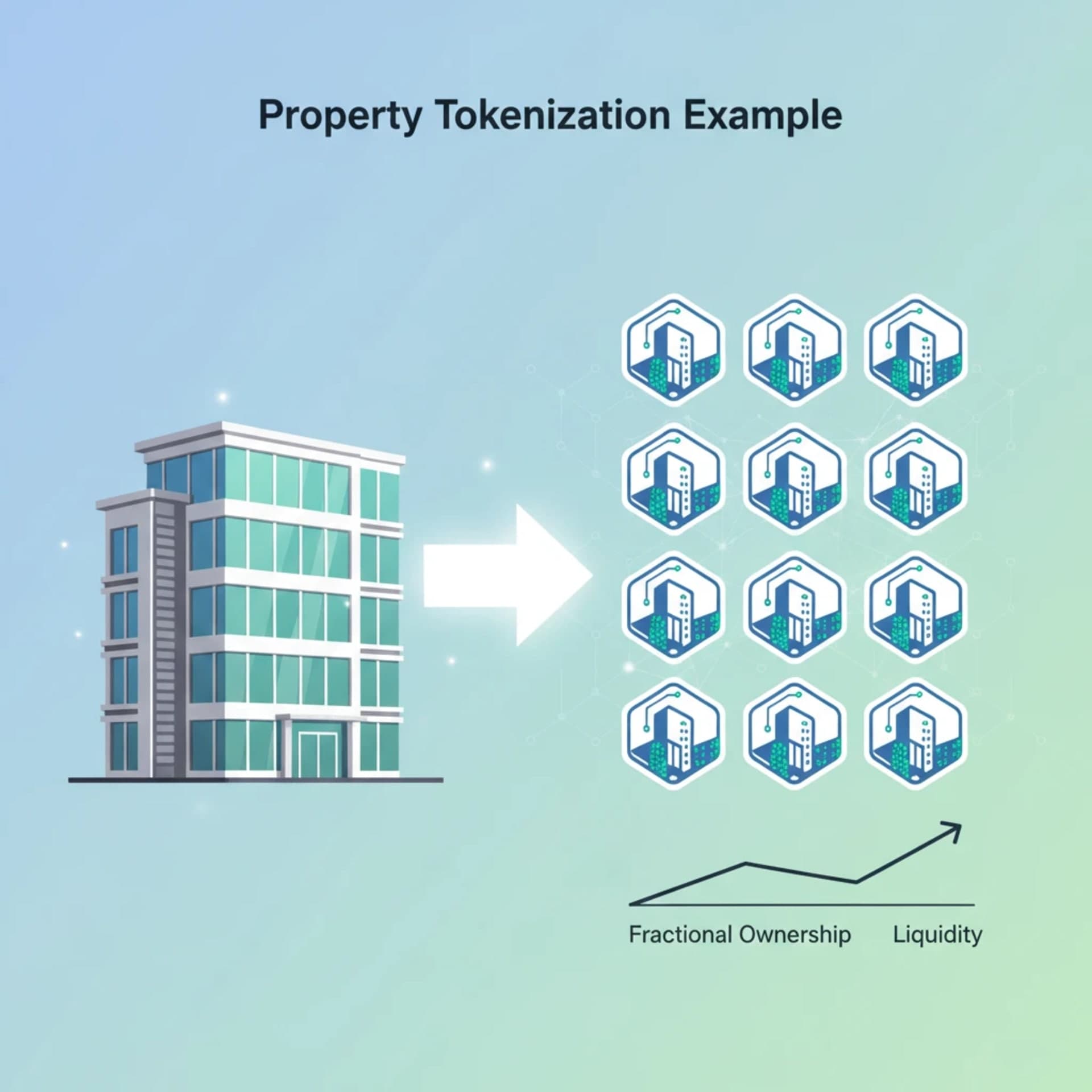
Practical Tokenization Example: From Property to Online Token
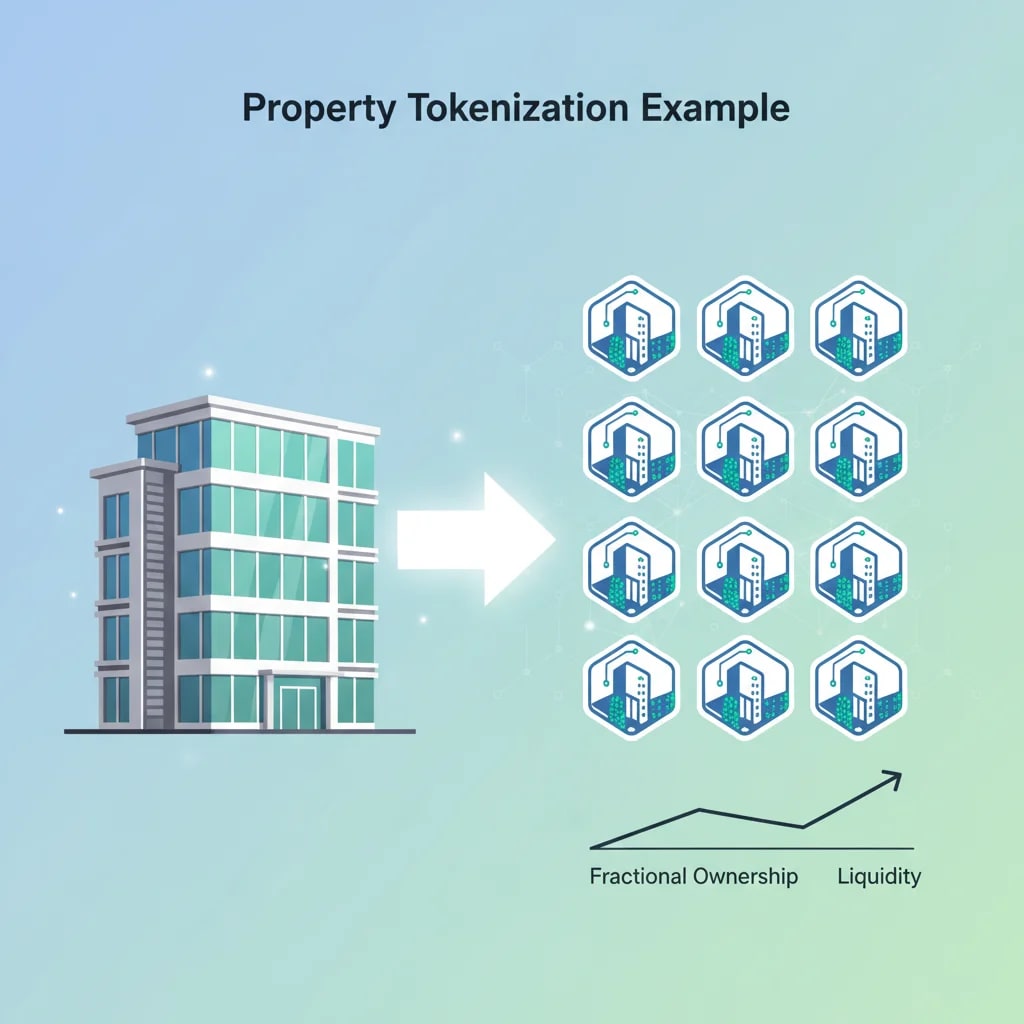
Let’s consider a simplified tokenization example.
Imagine a commercial property valued at $10 million.
Instead of selling the entire asset to a single buyer:
- The property is legally structured under a compliant entity.
- Ownership rights are divided into digital units.
- Each unit is minted as a blockchain-based online token.
- Investors purchase fractions representing proportional ownership.
Now:
- Rental income can be distributed automatically.
- Ownership transfers occur transparently.
- Secondary market liquidity becomes possible.
This practical model demonstrates how real world asset tokenization creates financial flexibility without altering the underlying asset.
Onchain Liquidity & RWA Society Evolution
The long-term impact of rwa tokenization extends beyond investment access.
When assets move onchain, they benefit from:
- 24/7 trading environments
- Transparent valuation metrics
- Automated dividend distribution
- Reduced settlement time
In a digitally connected rwa society, ownership becomes programmable.
Instead of relying on intermediaries:
- Smart contracts execute transfers
- Compliance is automated
- Transactions are verifiable
This model enhances efficiency while maintaining structural integrity.
For businesses exploring infrastructure deployment, check our custom blockchain services.
Tokenization Security: Protecting Value in a Digital Asset Economy
As asset digitization expands, tokenization security becomes mission-critical.
Strong frameworks require:
- Multi-layer smart contract auditing
- Secure key management systems
- Oracle validation for asset data
- Transparent governance controls
Without these safeguards, digital asset ecosystems risk instability.
Advanced tokenization strategies integrate both blockchain-level security and off-chain legal compliance, creating resilient financial architecture.
The Future of Real World Assets in an Onchain Economy
The transformation of real world assets into programmable digital units signals more than innovation, it signals systemic change.
As RWA tokenization accelerates:
- Institutional adoption increases
- Regulatory clarity evolves
- Cross-border investment becomes frictionless
Tokenized economies allow ownership to move at the speed of the internet while preserving verifiable rights.
In this environment, a token is no longer just a digital representation.
It becomes a vehicle of liquidity, governance, and financial inclusion.
FAQs: Tokenization & RWA
Q: What is tokenization in blockchain?
A: Tokenization is the process of converting ownership rights of real world assets into a digital token recorded on a blockchain network.
Q: What is real world asset tokenization?
A: Real world asset tokenization (RWA tokenization) refers to bringing physical or regulated financial assets onchain through blockchain-based tokens.
Q: How does a security token differ from a regular token?
A: A security token represents regulated financial ownership such as equity or debt and must comply with legal frameworks, unlike utility-based tokens.
Q: Why is tokenization security important?
A: Tokenization security ensures asset integrity, regulatory compliance, and protection against fraud through smart contracts, auditing, and secure authentication systems.
Conclusion
The rise of tokenization marks a structural shift in how value is created, represented, and transferred.
From security token compliance models to secure auth token authentication layers, from data tokenization frameworks to full-scale real world asset tokenization, blockchain infrastructure is reshaping the mechanics of ownership. Moving assets onchain is no longer experimental, it’s becoming operational strategy. Designing these systems requires clarity around regulation, architecture, and lifecycle management, EthElite work at the intersection of compliance and code.
As assets increasingly migrate onchain, the boundary between traditional finance and decentralized systems continues to blur.
Share with your community!