Loading blog post...


How to Audit Web3 Development Before Deployment: A Complete Checklist
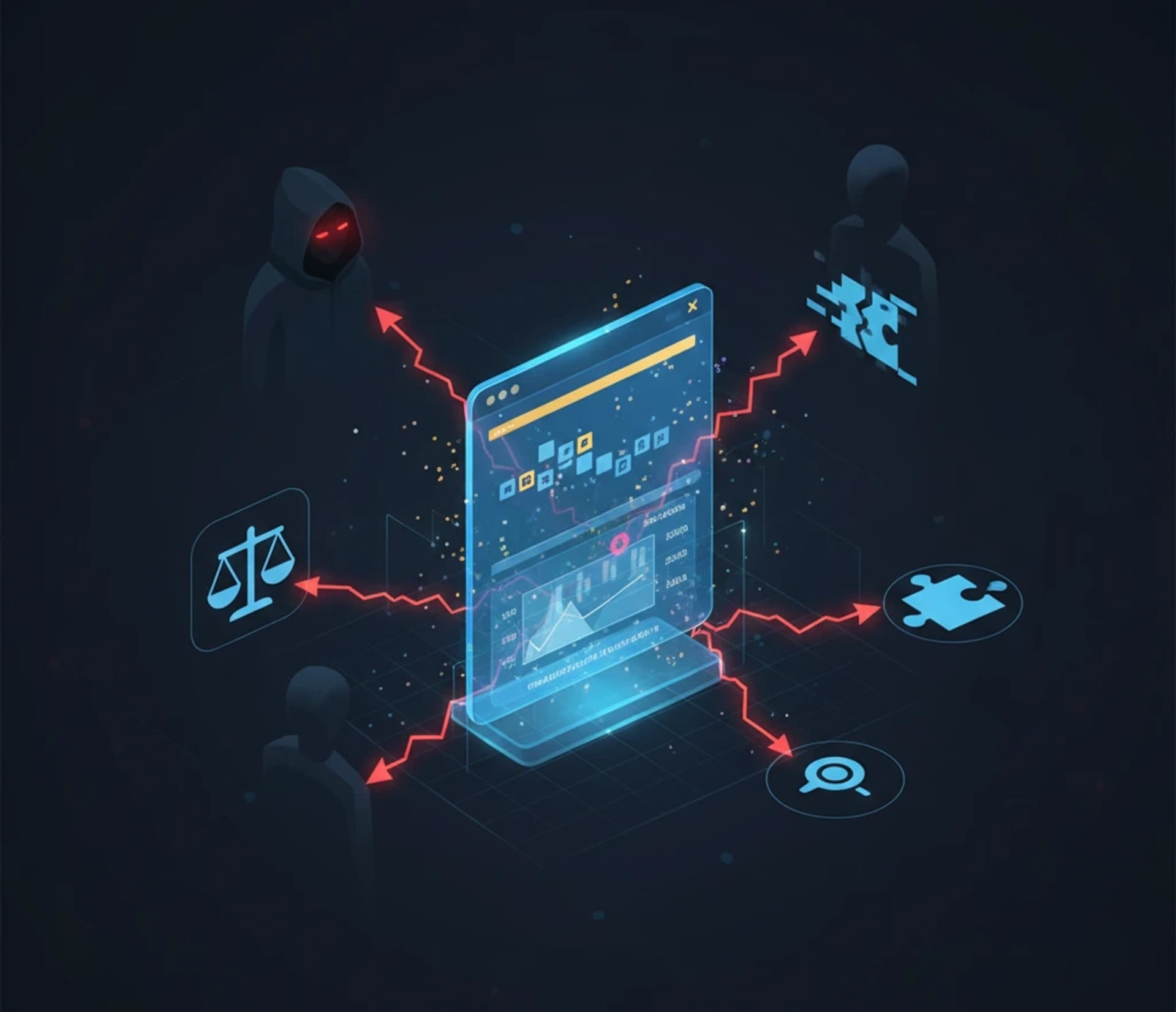
Launching on mainnet is a "point of no return." This comprehensive 2026 Web3 audit checklist moves beyond simple code review to cover the critical layers of DeFi security: threat modeling, tokenomic sustainability, oracle redundancy, and frontend interaction risks. Learn why a multi-layered audit is the only way to build lasting trust in the decentralized finance ecosystem.
Launching a Web3 product is no longer just about writing smart contracts and pushing code to mainnet. In today’s environment, a single overlooked vulnerability can compromise funds, damage trust, and permanently harm a project’s reputation.
Whether you’re building a DeFi app, launching new defi projects, or scaling a broader decentralized finance ecosystem, auditing before deployment is one of the most important stages of Web3 development. An audit is not simply a technical review, it’s a structured process that ensures the foundations of Digital Finance are reliable before real users arrive.
This guide walks through a complete pre-deployment audit checklist designed for modern defi platforms, development teams, and founders preparing to launch in production.
Start With Defi Meaning and Threat Modeling Before Code Review
Before reviewing code, teams should revisit the core defi meaning behind the product itself. What financial behavior does the protocol enable, and what incentives exist for attackers?
Threat modeling helps clarify:
- who could exploit the system
- what the highest-value targets are
- how economic attacks might occur
Without this step, technical audits often miss logical vulnerabilities unique to defi crypto environments.
For teams designing secure architectures from the beginning, our blockchain consulting services help align protocol design with real-world threat scenarios. Get a free consultation.
Review Smart Contract Logic Across DeFi Protocols
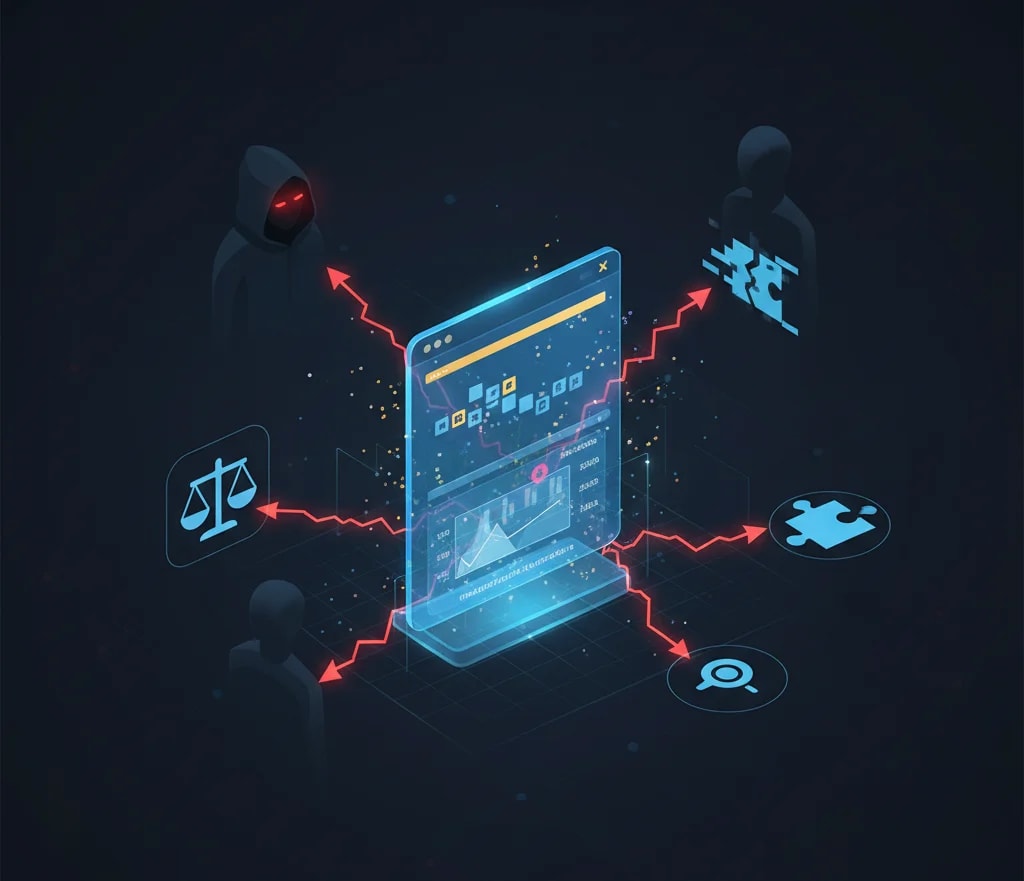
Smart contracts sit at the center of most defi protocols, making contract logic the first major audit layer.
The focus should go beyond syntax and include economic behavior. Reviewers must verify:
- access controls and permissions
- upgrade paths and governance mechanisms
- edge cases around collateral and liquidation
Many defi applications fail not because of bugs, but because assumptions inside the logic break under extreme market conditions.
For teams preparing production-grade launches, EthElite’s smart contract development services focus on security-first architecture.

Audit Token Economics and Defi Coin Incentives
A technically secure protocol can still fail if its economics are flawed. Every defi coin must align incentives between users, liquidity providers, and governance participants.
Audit questions include:
- Are rewards sustainable long term?
- Can whales manipulate incentives?
- Does token emission create unnecessary selling pressure?
Here, pointers help clarify common risks:
Tokenomic audit checks should cover:
- reward distribution schedules
- treasury management rules
- governance voting power concentration
This step is essential for long-term stability across decentralised finance ecosystems.
Evaluate Frontend and Defi Application Interaction Risks
Security doesn’t end at smart contracts. Many exploits happen at the interface layer where users interact with a defi application.
Frontend audits should verify:
- transaction previews are clear
- wallet permissions are minimized
- contract addresses are displayed transparently
Poor UX can lead users to sign harmful transactions even when backend code is secure.
Checkout our Web3 development services help bridge UX and protocol safety.
Check Oracle Dependencies Used by Defi Platforms
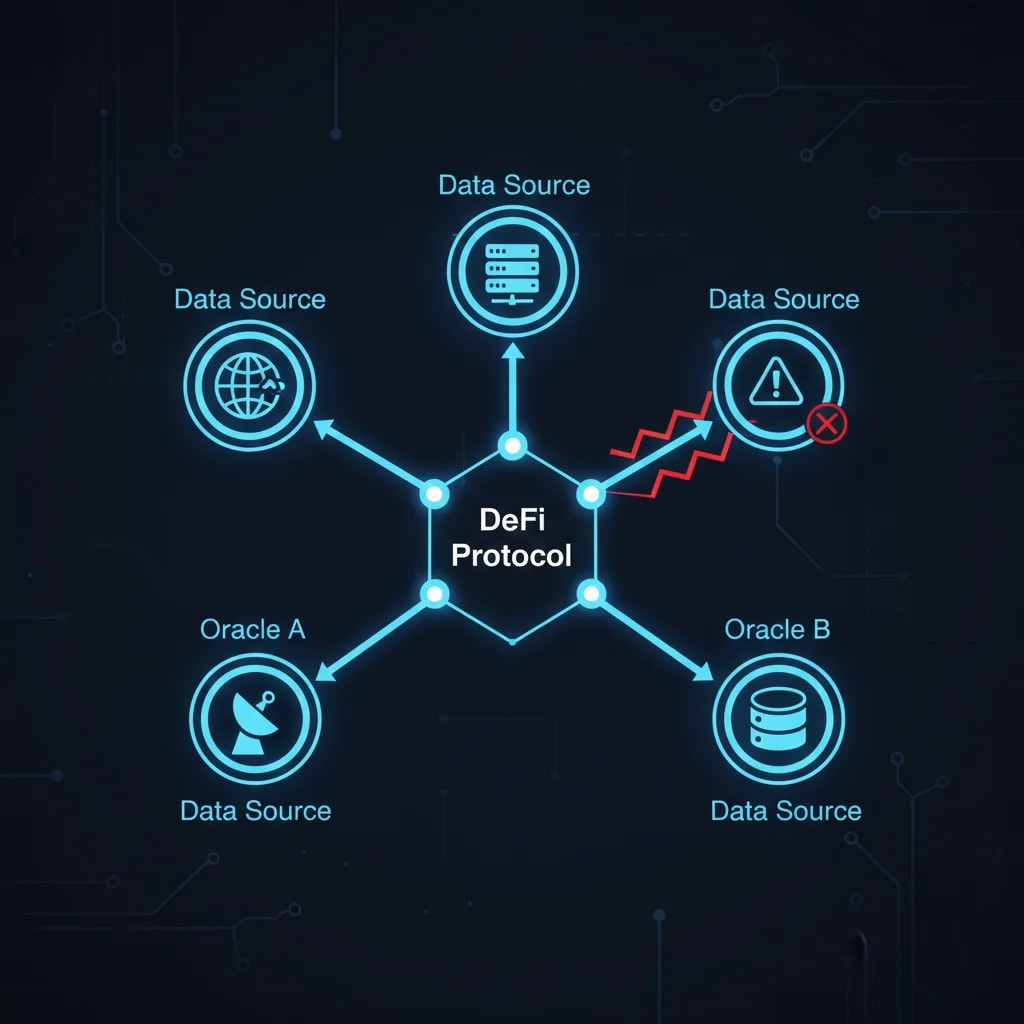
Oracles are critical for pricing and risk management across defi platforms. A faulty or manipulated oracle can cause cascading failures.
Key audit considerations include:
- multiple data sources for redundancy
- fallback logic during outages
- resistance to short-term manipulation
Many major failures in decentralized finance history were triggered not by smart contract bugs but by oracle weaknesses.
Stress-Test Protocol Behavior Under Extreme Conditions
Real markets behave unpredictably. Audits must include simulations of extreme scenarios before deployment.
Stress testing helps answer:
- What happens during rapid price drops?
- Can liquidations overwhelm the system?
- Are there unexpected feedback loops?
This stage ensures defi projects behave safely during volatility rather than only under ideal conditions.
For teams building resilient systems, our blockchain application development services focus on testing strategies that mimic real-world conditions.
Review Governance and Admin Controls
Governance design is often overlooked during audits. Yet admin keys and upgrade permissions can become critical attack vectors.
Checklist items include:
- multi-signature requirements
- timelocks for upgrades
- transparent governance processes
A protocol marketed as decentralized should not rely on hidden centralized controls. Aligning governance with the values of Digital Finance builds long-term credibility.
Validate Monitoring and Incident Response Before Launch
Even audited systems require monitoring after deployment. Real-time analytics help detect abnormal behavior early.
Important monitoring elements include:
- transaction anomaly detection
- treasury activity alerts
- unusual liquidity movement tracking
Deployment should be seen as the beginning of continuous security, not the end of auditing.
Perform External Security Audits and Independent Review
Internal testing is never enough. Independent reviewers often identify assumptions overlooked by in-house teams.
External audits provide:
- fresh perspectives on architecture
- validation for users and investors
- stronger confidence before launch
For teams preparing final reviews, our smart contract audit services provide structured pre-launch assessments. Get started now.

FAQ: Auditing Web3 Development Before Deployment
Q: Why is auditing essential for DeFi projects?
A: Because financial protocols handle real value and attract attackers.
Q: Is smart contract auditing enough?
A: No. Frontend, tokenomics, and governance must also be reviewed.
Q: When should audits begin?
A: Ideally during design, not just before launch.
Q: Do all DeFi apps need external audits?
A: Yes, independent review significantly reduces risk.
Q: Can auditing prevent all exploits?
A: No, but it drastically lowers probability and impact.
Conclusion
Auditing Web3 development before deployment is not a single task, it’s a layered process that combines technical review, economic analysis, and operational preparation.
From smart contract logic to governance design, every component of a decentralized finance system contributes to overall security. As DeFi platforms, DeFi applications, and DeFi protocols continue shaping the future of digital finance, thorough auditing remains one of the most critical steps between an idea and a system users can trust. It’s also why experienced builders like EthElite treat auditing as an integral phase of development rather than a final checkbox before launch.
In Web3, deployment isn’t the finish line. It’s where real scrutiny begins.
Share with your community!