Loading blog post...


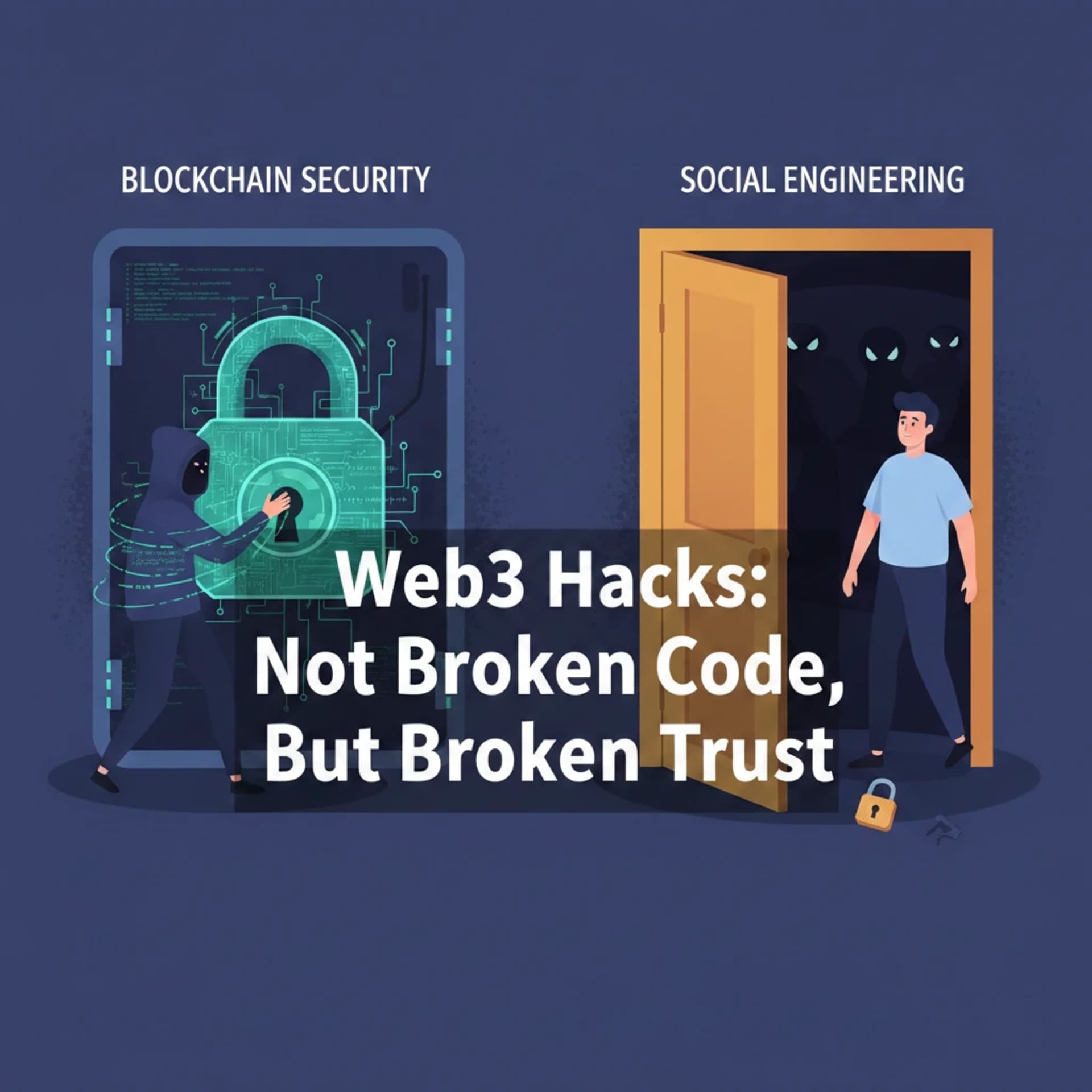
How Most Web3 Wallet Hacks Can Be Prevented
Most Web3 wallet hacks aren’t the result of "broken" blockchains, they happen because of predictable gaps in user behavior and operational design. From social engineering and phishing to the hidden risks of "unlimited" token permissions, understanding how attackers actually operate is the first step toward safety. This guide breaks down the layered defense strategy every crypto user needs to protect their assets from the latest headlines.
Every few months, the crypto space sees headlines about a major crypto hack, a sudden crypto wallet hack, or alarming stories in crypto hacker news detailing millions lost in minutes. Yet most wallet compromises don’t happen because blockchains fail. They happen because attackers exploit predictable gaps in behavior, design, and process.
Whether discussions revolve around events like Binance hacked headlines or a reported Coinbase hack, the core pattern remains the same: attackers rarely break cryptography, they manipulate people and weak operational setups.
The good news is that most Web3 wallet hacks are preventable. Understanding how crypto hackers actually operate is the first step toward reducing risk.
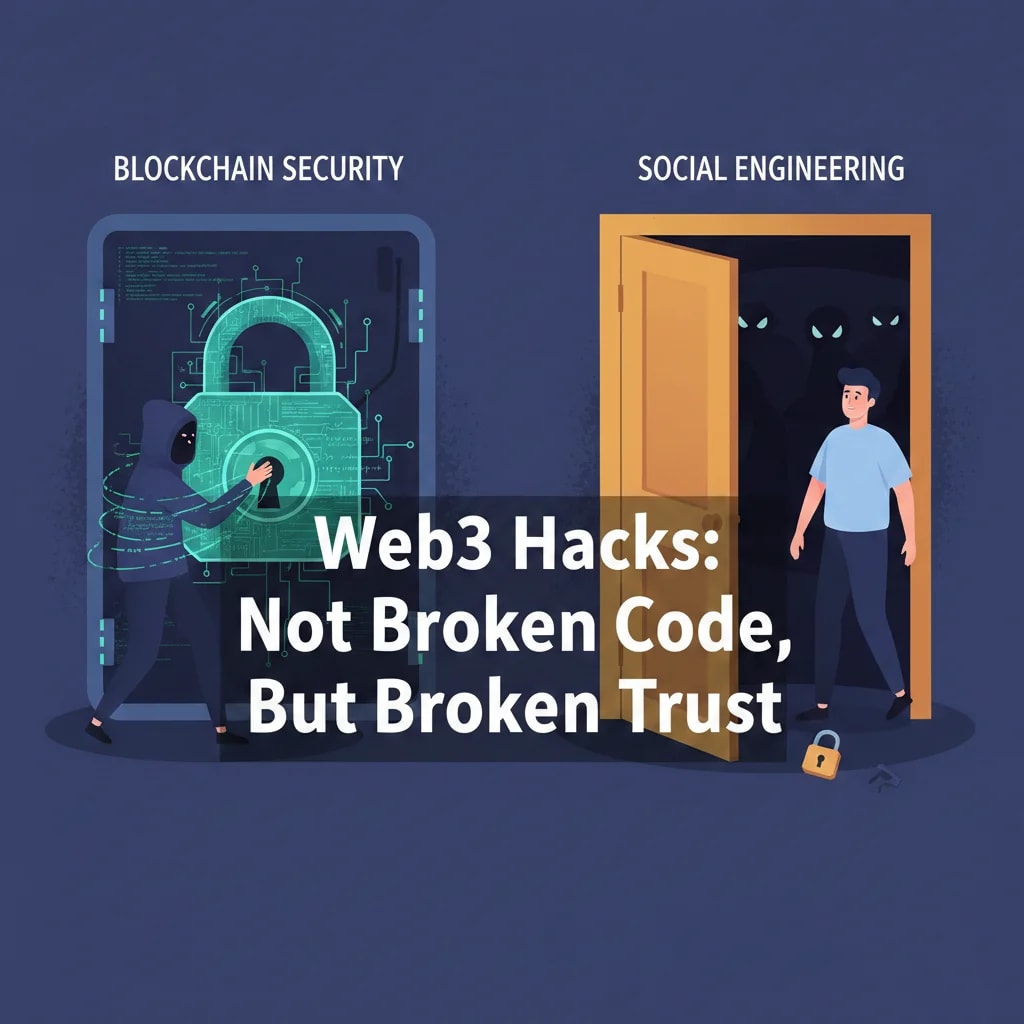
Why Crypto Hacking Usually Starts With Social Engineering
When people imagine crypto hacking, they often picture sophisticated code exploits. In reality, many attacks begin with something far simpler - deception.
Phishing hackers frequently rely on fake websites, cloned wallet interfaces, or impersonation messages that push users to reveal sensitive information. These attacks succeed because they mimic legitimate experiences so closely that even experienced users can be tricked.
Common tactics include:
- fake support accounts asking for wallet verification
- links that resemble official platforms
- urgent messages designed to create panic
Many well-known incidents linked to exchange accounts were enabled through phishing and account takeover rather than blockchain vulnerabilities. Security failures often start outside the chain entirely.
For teams improving user onboarding and safety, our blockchain consulting services focus on reducing human-error risks.
Crypto Wallet Permissions: The Quiet Entry Point for most Crypto Hackers
One of the most overlooked causes of a hacking wallet incident is permissions. In Web3, signing a transaction can grant ongoing access to assets, not just perform a one-time action.
Users often approve permissions without fully understanding what they allow. This creates opportunities for crypto hackers to drain funds long after the original interaction.
Risky behavior typically includes:
- approving unlimited token access
- signing transactions without reviewing details
- interacting with unknown or unverified contracts
Clear wallet interfaces and safer smart contract design significantly reduce these risks.
For projects building secure interactions, EthElite’s smart contract development services prioritize safe approval flows and user visibility.
Exchange-Related Hacks Often Happen Off-Chain
Stories labeled as Binance hacked or Coinbase hack incidents can give the impression that exchanges or blockchains themselves were broken. In many cases, however, attackers gained access through compromised user accounts or weak authentication setups.
Attackers commonly exploit:
- email accounts tied to exchanges
- SMS-based verification systems
- account recovery loopholes
This is why security practices outside the wallet matter just as much as onchain protection. Using dedicated emails, strong authentication tools, and withdrawal restrictions dramatically lowers risk.
The lesson is simple: many crypto losses happen before assets ever reach a wallet.
Hot Wallet Convenience vs Cold Storage Safety
Most people use internet-connected wallets because they’re fast and convenient. These “hot wallets” make daily transactions easy but also increase exposure to malware and malicious extensions.
A safer strategy separates convenience from security. Many experienced users keep smaller balances in active wallets while storing larger holdings in offline solutions.
This layered approach helps prevent major losses even if a crypto wallet hack occurs.
For teams designing wallet ecosystems, our custom blockchain development services support secure multi-wallet architecture. Get a free consultation today.
Impersonation and Fake Support Are Becoming More Common
Another growing trend in crypto hacker news is impersonation. Attackers pose as project admins, exchange support agents, or influencers and guide users toward malicious actions.
These scams often work because they exploit trust rather than technical flaws.
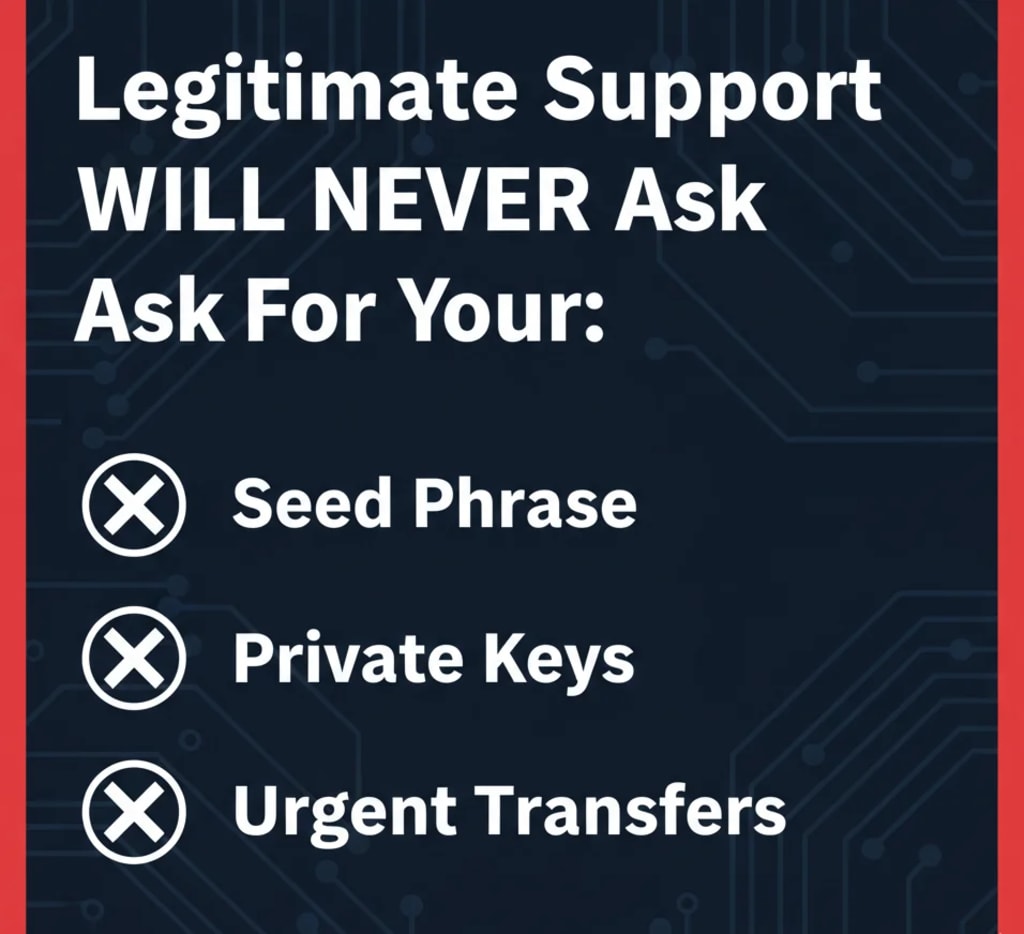
A simple but critical rule helps prevent many attacks:
Legitimate support will never:
- request your seed phrase
- ask for private keys
- pressure you into urgent transfers
Education and clear communication channels are crucial for protecting communities from these tactics.
For teams managing large communities, our Web3 social media management services help establish safer communication practices.
Operational Security Still Determines Most Outcomes
Even advanced users can fall victim to crypto hacking when basic operational security is ignored. Simple habits often separate safe users from vulnerable ones.
Common mistakes include:
- reusing passwords across platforms
- storing recovery phrases digitally
- installing unverified browser extensions
Blockchains are secure by design, but user environments often aren’t. Improving personal security habits closes many attack vectors without requiring advanced technical knowledge.
Malicious Smart Contracts Can Lead to Wallet Drains
Not all wallet hacks involve stolen credentials. Sometimes users willingly authorize malicious smart contracts disguised as legitimate DeFi apps or token launches.
These attacks often appear as:
- staking opportunities
- fake airdrops
- early access to new tokens
Once permission is granted, the contract can move assets without further approval. This makes smart contract transparency and auditing essential.
Layered Defense Is the Real Solution
The most effective protection doesn’t rely on a single tool or wallet type. Preventing a crypto wallet hack comes down to combining multiple layers of security:
- strong authentication methods
- careful transaction verification
- separation between hot and cold wallets
- skepticism toward unsolicited messages
When these layers work together, most attack methods lose their effectiveness.
FAQ: Preventing Web3 Wallet Hacks
Q: What causes most crypto hacks today?
A: Phishing, social engineering, and user mistakes, not blockchain failures.
Q: Are wallets themselves vulnerable?
A: Rarely. Most attacks trick users into authorizing harmful actions.
Q: How can I avoid phishing hackers?
A: Verify URLs, avoid urgent requests, and never share recovery phrases.
Q: Do exchange hacks mean crypto is unsafe?
A: Not necessarily; many incidents involve account-level compromises.
Q: Is cold storage safer?
A: Yes, especially for long-term holdings.
Conclusion
Most Web3 wallet hacks are rarely the result of sophisticated exploits alone. More often, they emerge from small design gaps, confusing interfaces, and predictable social engineering aimed at users.
The next evolution of wallet security will come from reducing complexity, designing experiences where the safest action feels natural, and risky behavior becomes harder to execute. As the ecosystem matures, education and operational discipline will matter just as much as code. EthElite tend to treat security as a product experience problem as much as a technical one.
In Web3, security isn’t a checklist item at launch, it’s a habit reinforced every day through design, process, and awareness.
Share with your community!