Loading blog post...


How Blockchain Technology Is Transforming Healthcare Infrastructure
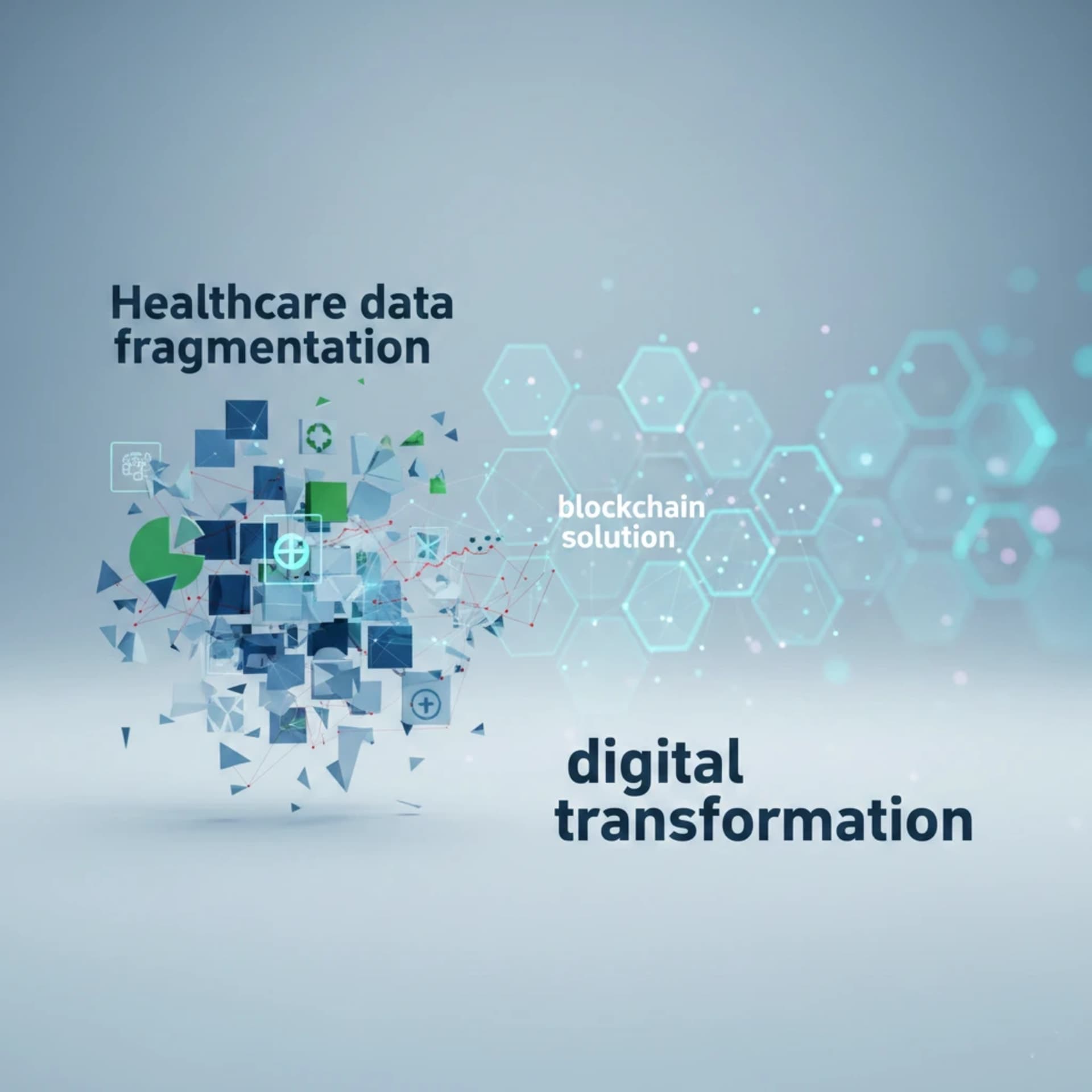
As global healthcare systems face mounting pressure from data fragmentation and cybersecurity risks, blockchain is emerging as a foundational layer for trust. This post explores the shift from theoretical pilots to real-world adoption, detailing how immutable ledgers, smart contracts, and BaaS models are creating a secure, interoperable future for medical data and supply chain management.
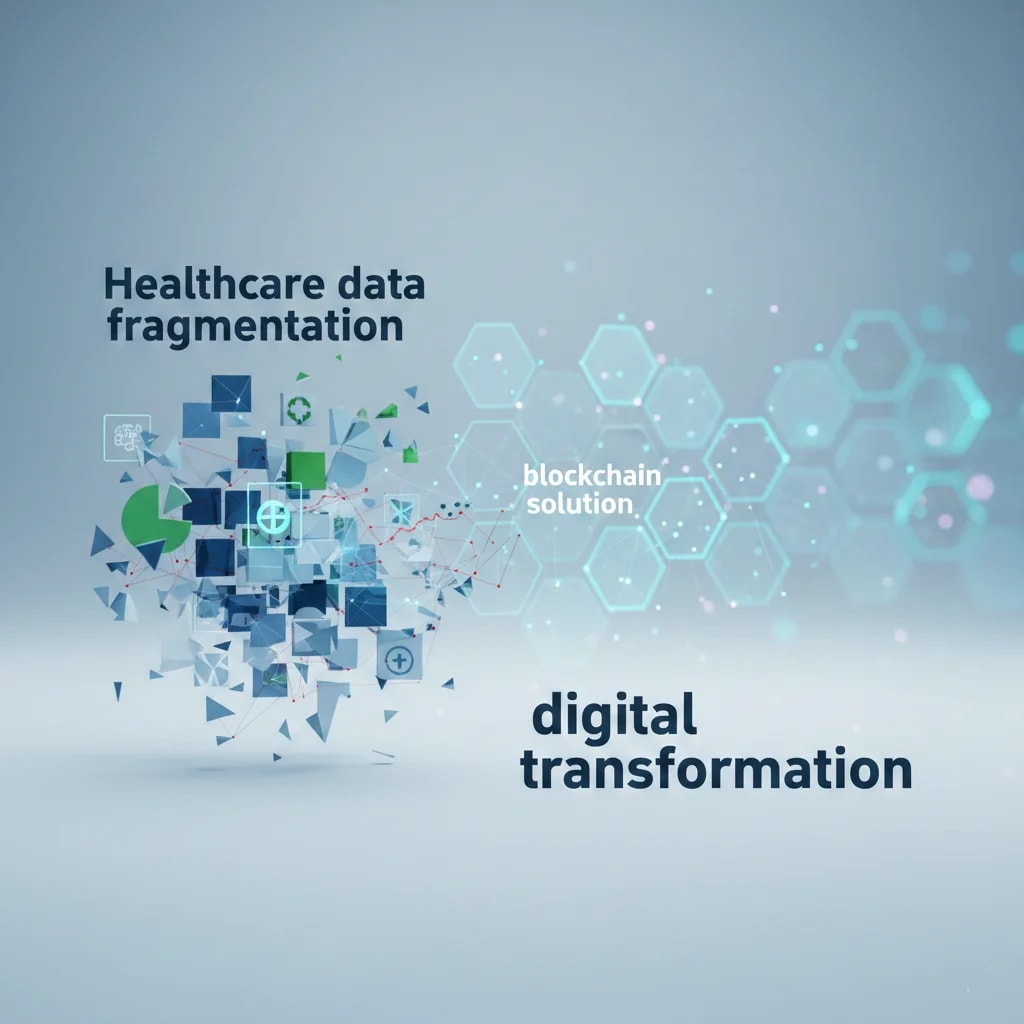
Healthcare systems around the world are under pressure. Hospitals struggle with fragmented data, slow interoperability, administrative inefficiencies, and growing cybersecurity risks. While digital transformation has improved some areas, many systems still rely on outdated databases that cannot communicate effectively.
This is where blockchain technology is gaining attention. By introducing transparent, tamper-resistant data management, blockchain offers a new way to rethink how healthcare infrastructure is built and maintained.
The application of blockchain is no longer theoretical. From secure patient records to automated billing processes, the application of blockchain technology in healthcare is steadily moving from pilot projects to real-world adoption.
Why Blockchain Technology Matters in Healthcare
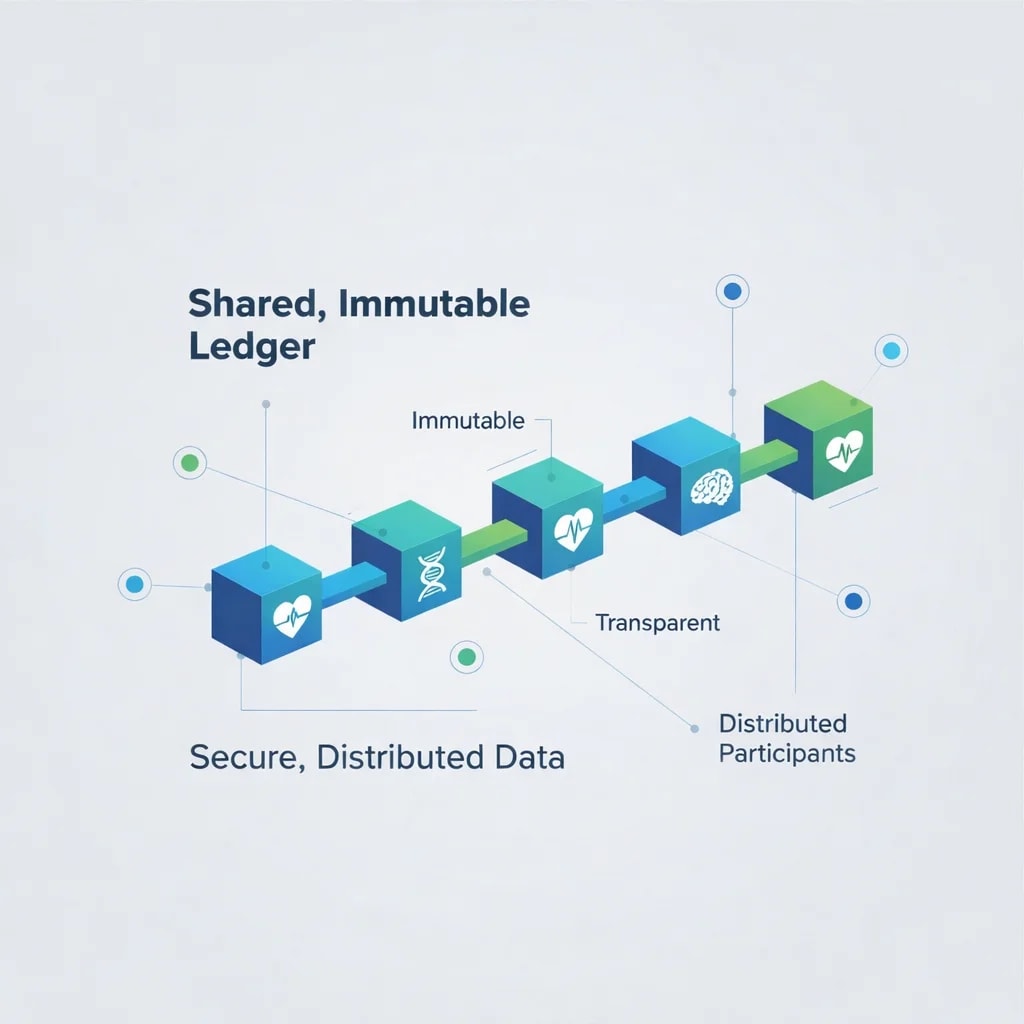
To understand the impact of blockchain in healthcare, it helps to revisit how blockchain works. At its core, blockchain is a shared, immutable ledger where data is recorded across distributed participants rather than controlled by one central authority.
This design brings three important characteristics to healthcare:
- data integrity that prevents unauthorized changes
- transparent audit trails
- secure data sharing between institutions
When people ask for blockchain technology to be explained, healthcare is often one of the clearest examples of where distributed systems can solve long-standing operational problems.
Secure Patient Records Through Blockchain Technology in Healthcare
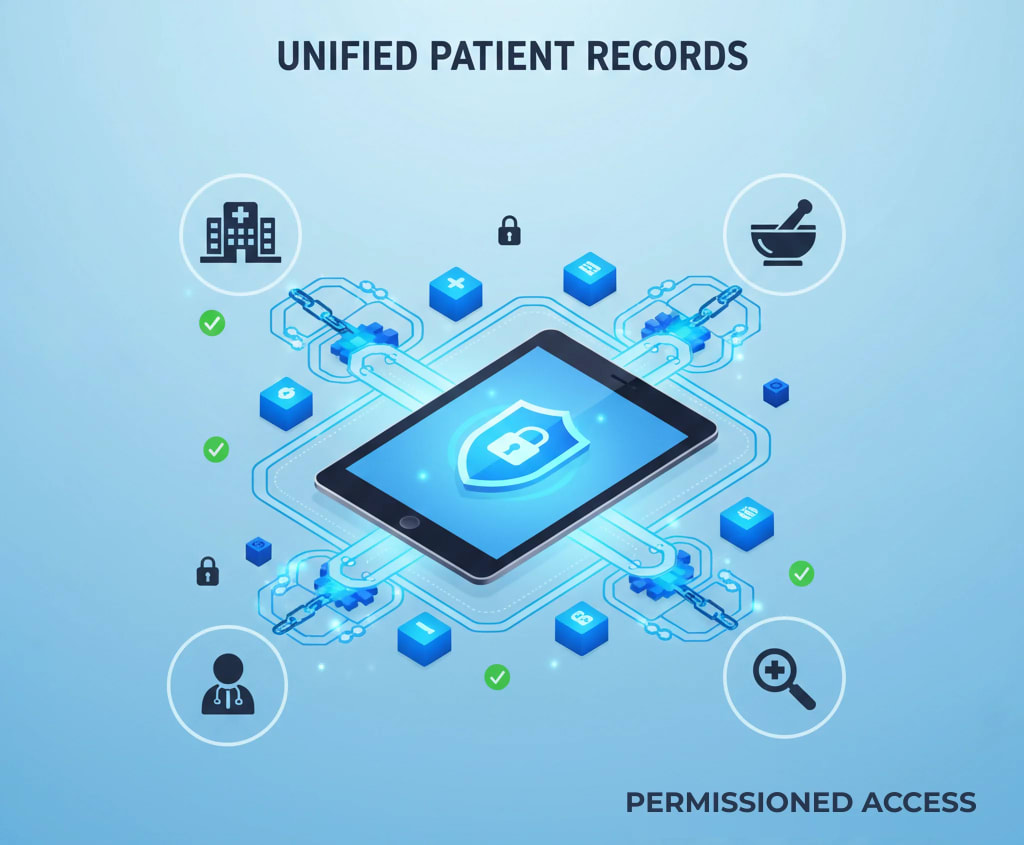
One of the biggest challenges in modern healthcare is maintaining accurate patient records across multiple providers. Data often exists in disconnected systems, leading to inefficiencies and errors.
With blockchain technology in healthcare, patient records can be linked securely while remaining under strict permission controls. Instead of duplicating data across hospitals, authorized providers access verified records through shared infrastructure.
This reduces:
- duplicate tests and procedures
- manual data transfers
- risks of record tampering
For organizations exploring secure architectures, our blockchain consulting services help design privacy-aware healthcare solutions. Get connected today.
Smart Contracts and Blockchain Engineering for Automation
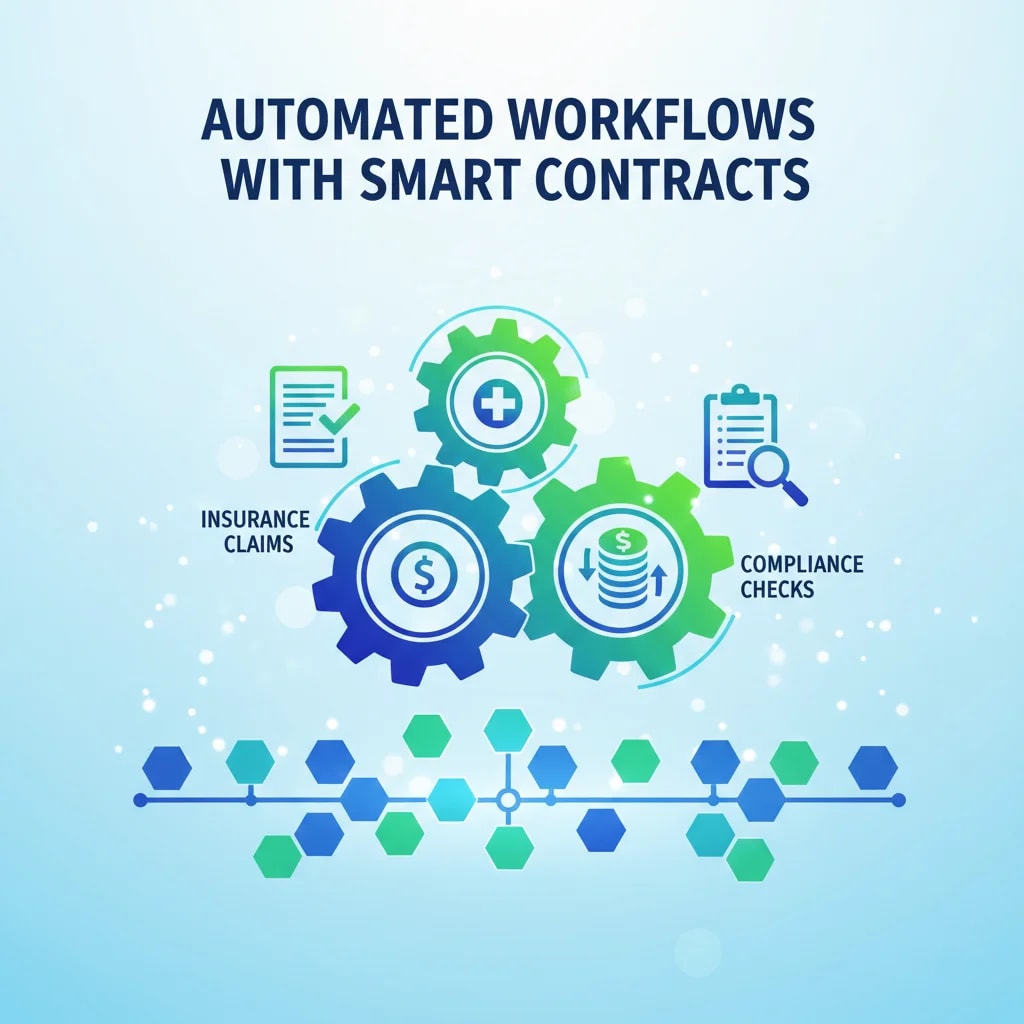
Beyond record keeping, blockchain enables automation through smart contracts. These automated agreements execute when predefined conditions are met, improving efficiency across healthcare workflows.
Applications include:
- automated insurance claim validation
- payment settlement between providers
- compliance checks without manual intervention
For a smart contract development company, healthcare represents a high-impact environment where automation directly reduces costs and administrative delays.
Check our smart contract development services focus on reliability and compliance-oriented design.
Blockchain Application Development in Healthcare Supply Chains
Medical supply chains involve multiple stakeholders like manufacturers, distributors, hospitals, and regulators. Lack of transparency can lead to counterfeit products or delays.
Through blockchain application development, supply chain events can be recorded transparently, creating end-to-end visibility.
Here, pointers help illustrate benefits:
Blockchain-enabled supply chains improve:
- traceability of medical equipment
- authenticity verification of pharmaceuticals
- real-time inventory monitoring
This is one of the most practical blockchain technology applications currently expanding in healthcare ecosystems.
For organizations building scalable solutions, our custom blockchain application development services support secure supply chain architectures.
Blockchain Technology for Healthcare Data Privacy
Healthcare data is highly sensitive. Traditional centralized storage creates attractive targets for attackers.
Blockchain technology for healthcare introduces distributed security models where no single system controls all data. Access permissions and cryptographic controls help ensure privacy while enabling authorized sharing.
This balance between accessibility and security makes blockchain particularly relevant for medical environments where trust is critical.
Blockchain as a Service Simplifies Healthcare Adoption
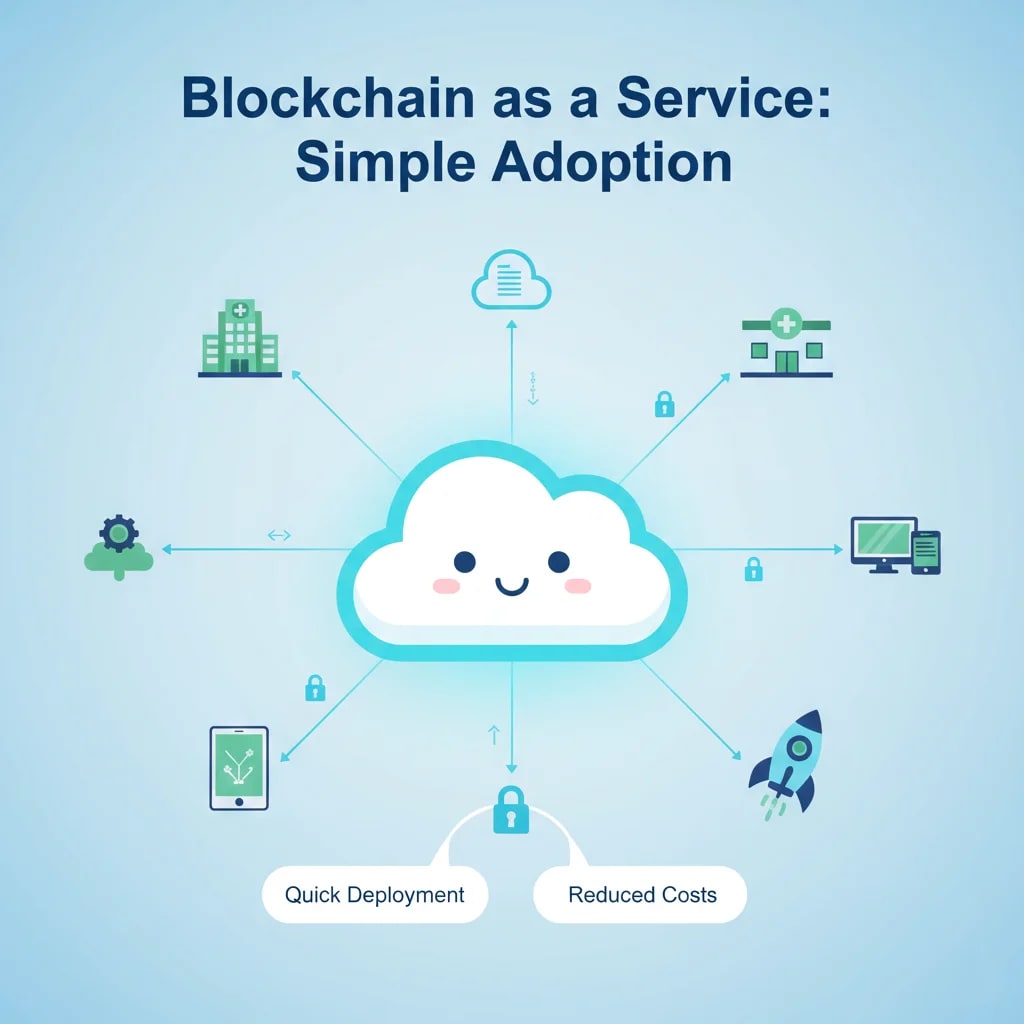
Not every healthcare provider has the resources to build infrastructure from scratch. This is why blockchain as a service models are becoming increasingly popular.
BaaS solutions allow organizations to:
- deploy blockchain systems quickly
- reduce upfront infrastructure costs
- focus on applications rather than protocol maintenance
For many hospitals and startups, this lowers barriers to adopting blockchain technology in medical field use cases.
The Role of Blockchain Developers and Engineering Expertise
Successful healthcare deployments require skilled blockchain developers and strong blockchain engineering practices.
Key skills include:
- selecting the right blockchain programming language
- designing scalable permission models
- integrating with existing healthcare systems
As demand grows, top blockchain development companies are increasingly focusing on healthcare-specific solutions rather than generic platforms.
Blockchain Websites and Patient Trust in the Digital Era
A healthcare platform’s blockchain website often becomes the first point where patients and partners evaluate trustworthiness.
Clear communication around:
- how data is protected
- who controls access
- what blockchain actually does
helps reduce skepticism and build confidence in new systems.
Transparency is central to adoption, especially in regulated sectors like healthcare.
How Blockchain Technology in Healthcare Supports the Blockchain Revolution
The broader blockchain revolution is often associated with finance and crypto, but healthcare may become one of its most meaningful long-term applications.
By improving transparency, reducing inefficiency, and enabling secure collaboration, the application of blockchain in healthcare demonstrates how distributed systems can solve real-world infrastructure challenges.
As adoption grows, blockchain may quietly become a foundational layer of global healthcare operations rather than a headline-driven innovation.
FAQ: Blockchain Technology in Healthcare
Q: What is blockchain technology in healthcare?
A: Using distributed ledgers to securely manage medical data, workflows, and transactions.
Q: How does blockchain improve healthcare infrastructure?
A: It increases transparency, security, and interoperability between systems.
Q: Is blockchain secure enough for medical data?
A: Yes, when combined with proper encryption and access controls.
Q: Can blockchain automate healthcare processes?
A: Yes, through smart contracts and workflow automation.
Q: Do healthcare providers need custom development?
A: Often yes, depending on integration and compliance requirements.
Conclusion
Healthcare infrastructure is complex, fragmented, and increasingly digital. Blockchain technology offers a path toward greater trust, efficiency, and transparency by rethinking how data and processes are managed.
From secure records to automated workflows and supply-chain visibility, the application of blockchain technology in healthcare continues to expand. As blockchain companies, developers, and healthcare institutions collaborate, success will depend on building systems that balance compliance, usability, and long-term interoperability, an approach EthElite increasingly bring into real-world implementations.
The future of healthcare may not be defined by faster apps alone, but by infrastructure designed for trust from the ground up.
Share with your community!