Loading blog post...


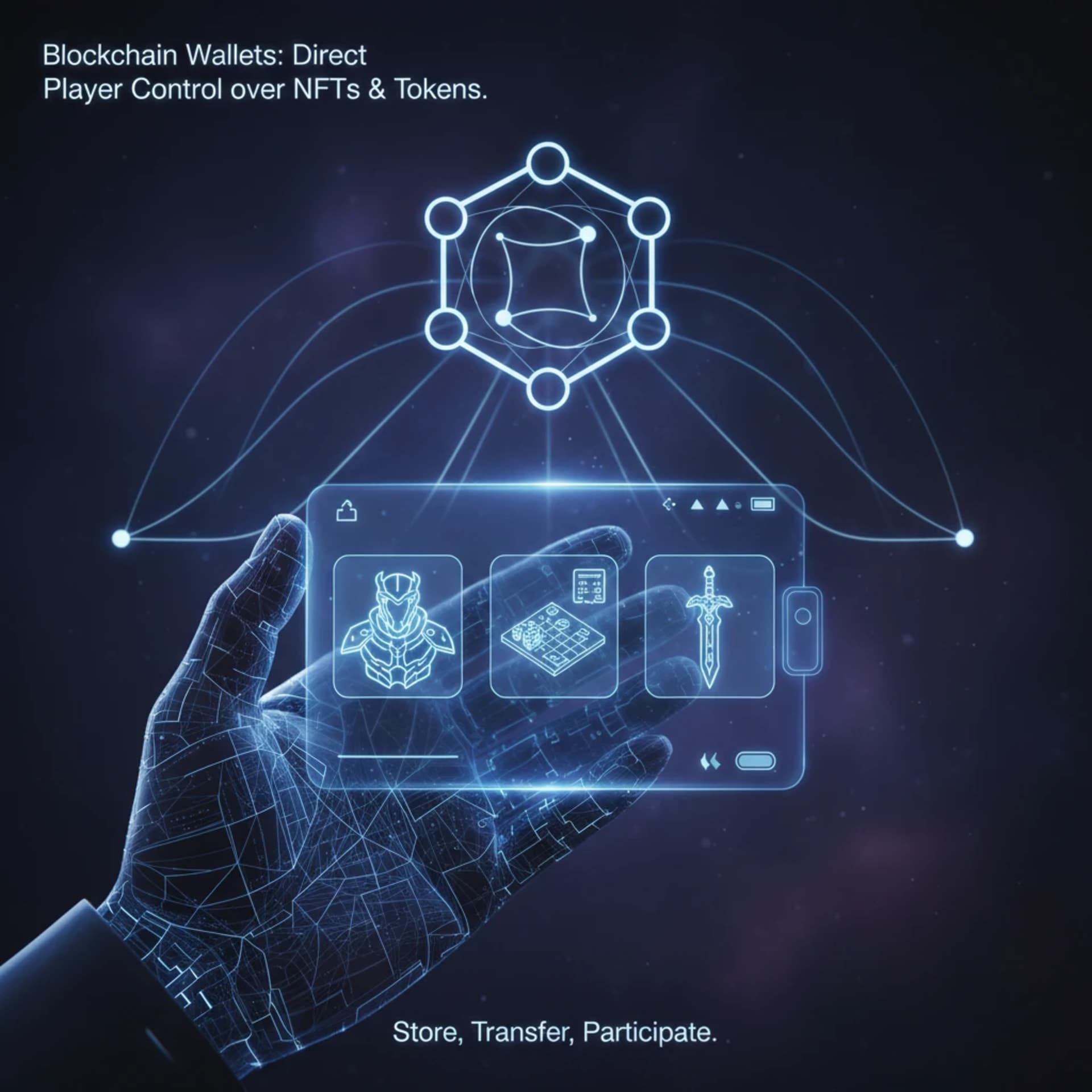
How Blockchain Creates True Digital Ownership in Web3 Gaming
Imagine playing a game where your achievements: rare weapons, unique skins, and virtual land actually belong to you, not just the developer. This is the core promise of Web3 gaming. By leveraging blockchain technology and NFTs, players are shifting from being mere renters of digital assets to true owners with real-world economic stakes. Explore how decentralized infrastructure and blockchain wallets are redefining the future of digital property and play-to-earn economies.
For decades, gamers have spent money on digital items they never truly owned. Skins, characters, weapons and virtual currencies existed only inside centralized servers controlled by game publishers. If a game shut down or an account was banned, everything disappeared.
This is where blockchain gaming changes the rules.
By combining blockchain technology with decentralized infrastructure, Web3 games redefine what ownership means in digital worlds. Instead of renting assets from companies, players control them directly through cryptographic systems.
To understand why web3 gaming is fundamentally different from traditional gaming, we need to explore how blockchain transforms assets, economies, and player identity.
Digital Ownership vs. Platform Control in Traditional Games
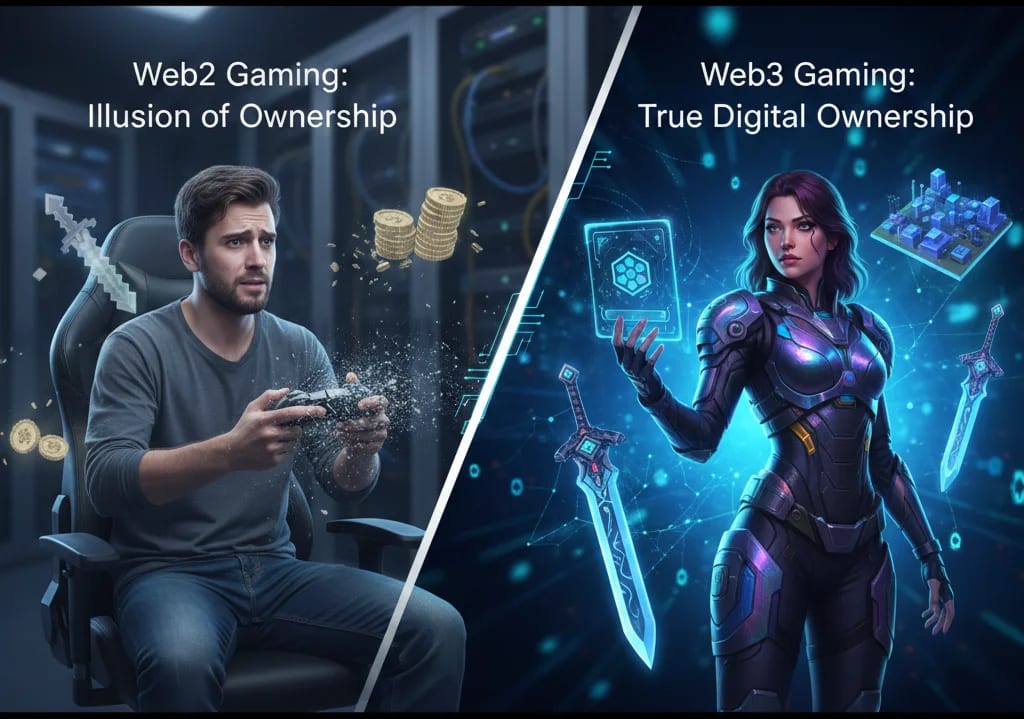
In traditional games, ownership is an illusion. Players interact with assets, but they don’t control them. Everything is stored in centralized databases.
This creates limitations:
- assets cannot be transferred outside the game
- players cannot verify scarcity or authenticity
- platforms can modify or revoke items at will
In contrast, crypto games built on blockchain allow players to hold assets independently of the game itself. Ownership becomes verifiable and transferable, not conditional.
This shift is the foundation of nft gaming, where digital items exist beyond the boundaries of a single platform.
Blockchain Technology as the Backbone of Web3 Gaming Assets
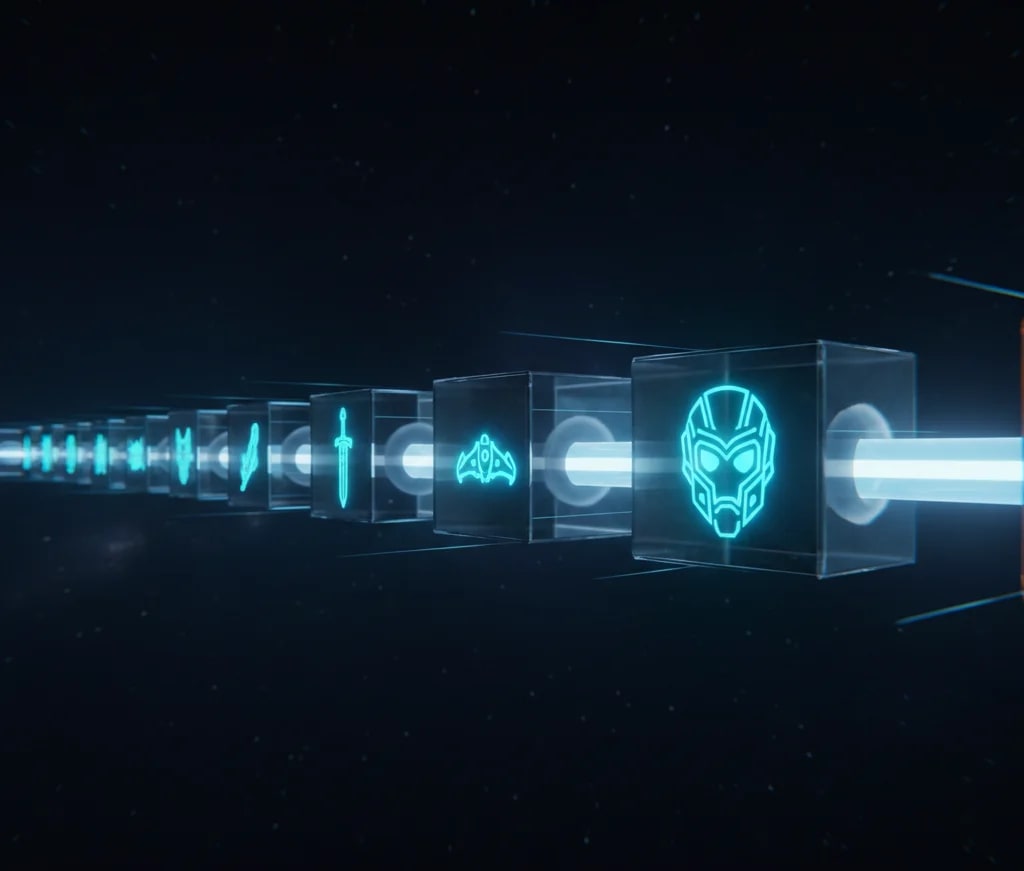
At the core of Web3 gaming lies blockchain technology. Blockchain records ownership, transactions, and asset history in a decentralized ledger.
Unlike centralized servers, blockchain ensures:
- transparency of asset supply
- immutability of ownership records
- interoperability across ecosystems
Here, pointers clarify the impact:
Blockchain enables:
- provable scarcity of digital items
- trustless asset transfers
- persistent identities across games
Without blockchain, true digital ownership in games would be impossible.
For teams designing decentralized gaming infrastructure, our blockchain architecture services help build scalable asset systems. Consult today to get a free consultation.
Blockchain Wallets Give Players Direct Control Over Game Assets
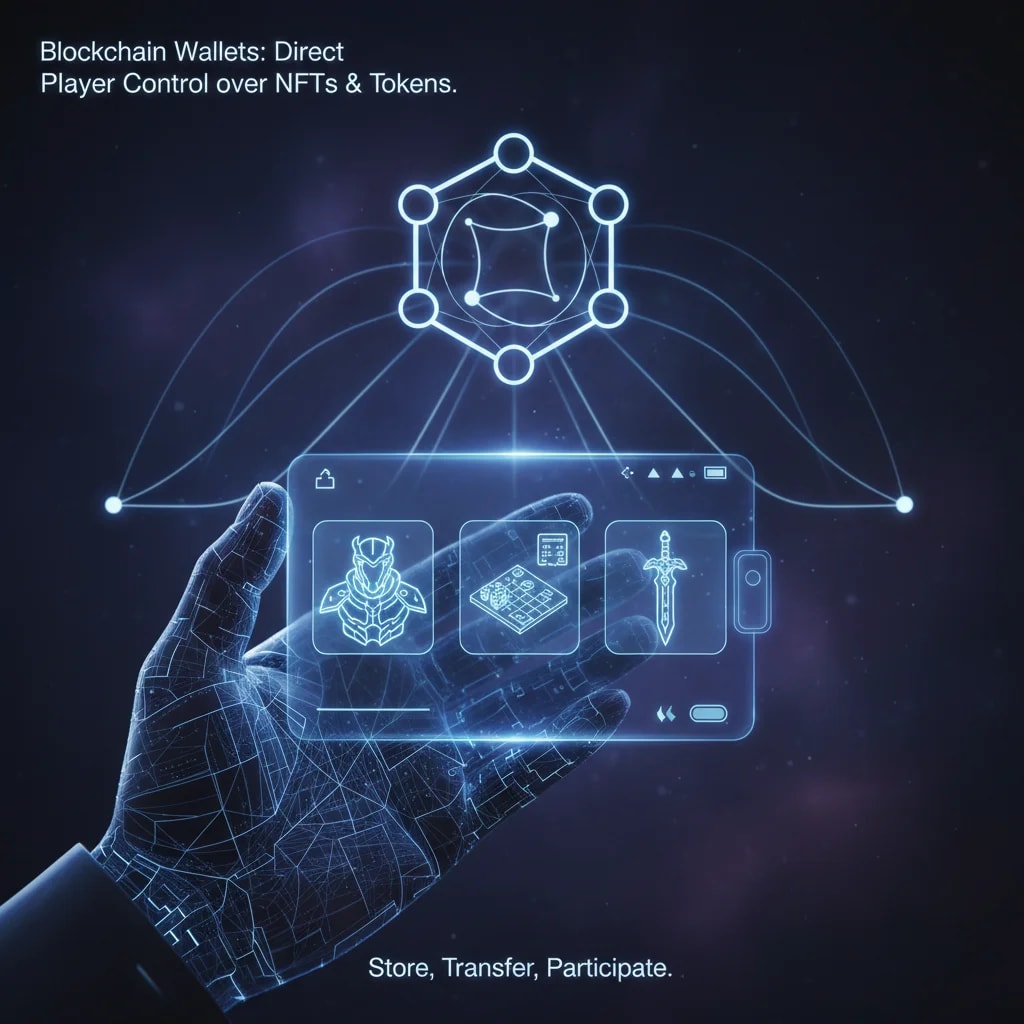
Ownership in Web3 gaming is enforced through a blockchain wallet. Instead of accounts controlled by game studios, players manage their assets through cryptographic keys.
A blockchain wallet allows players to:
- store NFTs and tokens
- transfer assets across platforms
- participate in decentralized economies
Unlike traditional game accounts, wallets are independent of any single game or company. This autonomy is what makes crypto earning games fundamentally different from conventional reward systems.
For teams integrating wallets into games, our Web3 development services focus on secure wallet interactions and UX design.
Play-to-Earn Crypto Games Redefine Player Incentives
Traditional games reward players with in-game achievements that have no real-world value. Play to earn crypto games introduce economic incentives tied to blockchain assets.
In these systems:
- time spent playing translates into tokenized rewards
- players can monetize skills and strategies
- game economies become partially decentralized
Here, pointers clarify the economic shift:
Play-to-earn models create:
- player-driven economies
- decentralized reward distribution
- new forms of digital labor
This is why crypto games are attracting both gamers and crypto enthusiasts.
For teams building sustainable game economies, our token design services help structure balanced reward systems.
NFT Gaming Enables Interoperable Digital Assets
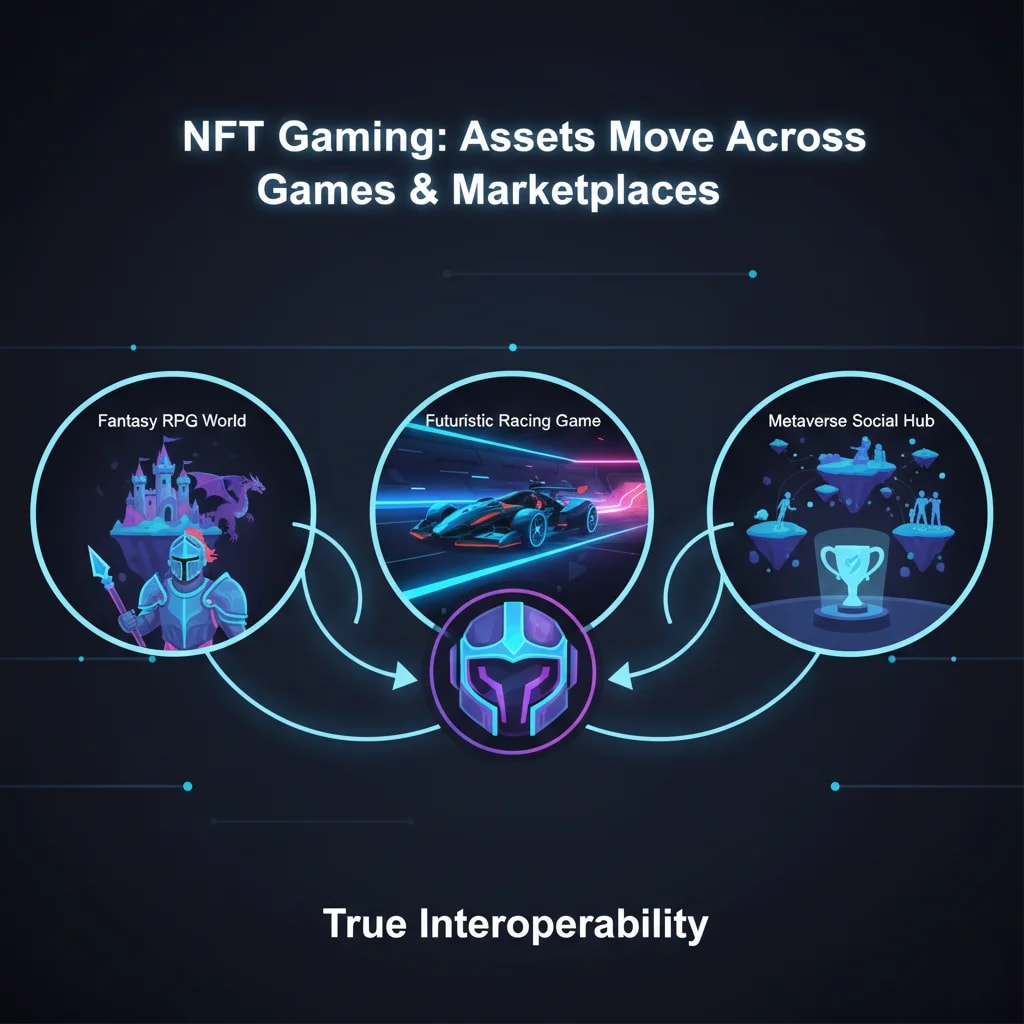
In nft gaming, digital assets are not locked into a single game environment. NFTs can move across platforms, marketplaces, and ecosystems.
This interoperability allows:
- cross-game asset usage
- secondary market trading
- long-term asset persistence
Unlike traditional games, where items lose value when a game declines, NFTs can retain utility beyond their original context.
For teams developing NFT-based game ecosystems, our NFT development services support scalable NFT architectures.
Crypto Mining Games Blend Gameplay With Blockchain Incentives
A newer category of crypto mining games integrates blockchain mechanics directly into gameplay. Instead of passive mining, players interact with systems that simulate or incorporate real blockchain processes.
These games often involve:
- resource generation tied to blockchain logic
- tokenized upgrades and rewards
- strategic optimization of on-chain assets
While not all mining games represent real mining, they demonstrate how blockchain programming can reshape game mechanics rather than simply adding tokens as rewards.
Blockchain Programming Shapes the Future of Web3 Gaming Economies
Behind every successful Web3 game lies sophisticated blockchain programming. Smart contracts define asset behavior, reward mechanisms, and governance rules.
Through blockchain programming, developers can:
- automate economic logic
- enforce fairness and transparency
- build self-sustaining game ecosystems
Unlike traditional games, where developers control everything, Web3 games distribute power across code and communities.
FAQ: Blockchain and Digital Ownership in Web3 Gaming
Q: What makes Web3 gaming different from traditional gaming?
A: Web3 gaming gives players real ownership of assets through blockchain.
Q: Do players need a blockchain wallet to play crypto games?
A: Yes, most Web3 games use wallets to manage digital assets.
Q: Are play-to-earn crypto games sustainable?
A: Sustainability depends on tokenomics and the game design.
Q: Is NFT gaming only about collectibles?
A: No, NFTs can represent functional game assets, not just collectibles.
Q: Do crypto mining games involve real mining?
A: Some do, while others simulate blockchain mechanics.
Conclusion
Blockchain is not just adding tokens to games, it is redefining digital ownership itself. Through blockchain gaming, players gain control over assets, identities, and economies that were previously locked inside centralized platforms.
By combining blockchain technology, blockchain wallets, and advanced blockchain programming, Web3 gaming creates a new paradigm where players are not just consumers, but stakeholders in digital worlds. Behind the scenes, teams like EthElite are helping shape this shift by building the infrastructure that makes ownership, interoperability, and security actually work at scale.
As Web3 gaming continues to evolve, true digital ownership will not remain a niche concept, it will soon become the defining feature of the next generation of games.
Share with your community!