Loading blog post...


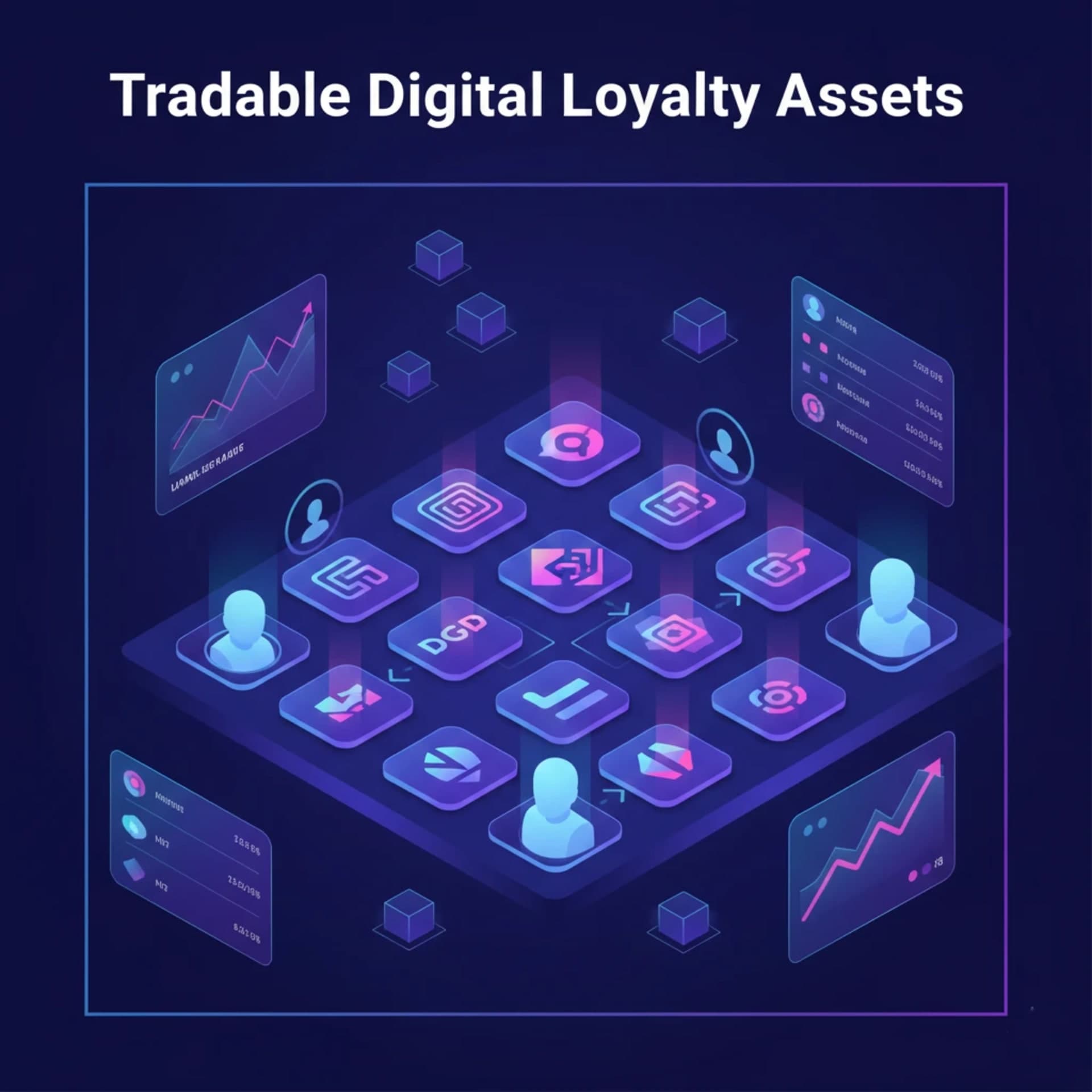
How Blockchain-Based NFT Loyalty Programs Drive Long-Term Engagement
Traditional loyalty programs are undergoing a radical shift. Gone are the days of "funny money" points that expire or lose value. In 2026, forward-thinking brands are leveraging blockchain technology to transform customer rewards into true digital assets. By utilizing NFTs, companies are moving beyond simple transactional discounts to create deep, ownership-driven relationships. From exclusive "tokengated" experiences to thriving secondary markets, discover how NFT loyalty programs are redefining what it means to be a brand advocate in the digital economy.
Customer loyalty programs are evolving. Traditional point-based systems often feel outdated, easy to manipulate, and disconnected from real ownership. Brands are now exploring how blockchain technology and NFTs can transform loyalty into something more transparent, tradable, and meaningful.
Instead of offering temporary discounts, blockchain-based NFT loyalty programs give customers digital assets they truly own. These non fungible tokens represent rewards, memberships, or exclusive access and they live securely on blockchain networks.
The result? Long-term engagement built on verifiable ownership rather than short-term incentives.
Let’s explore how this works in practice.
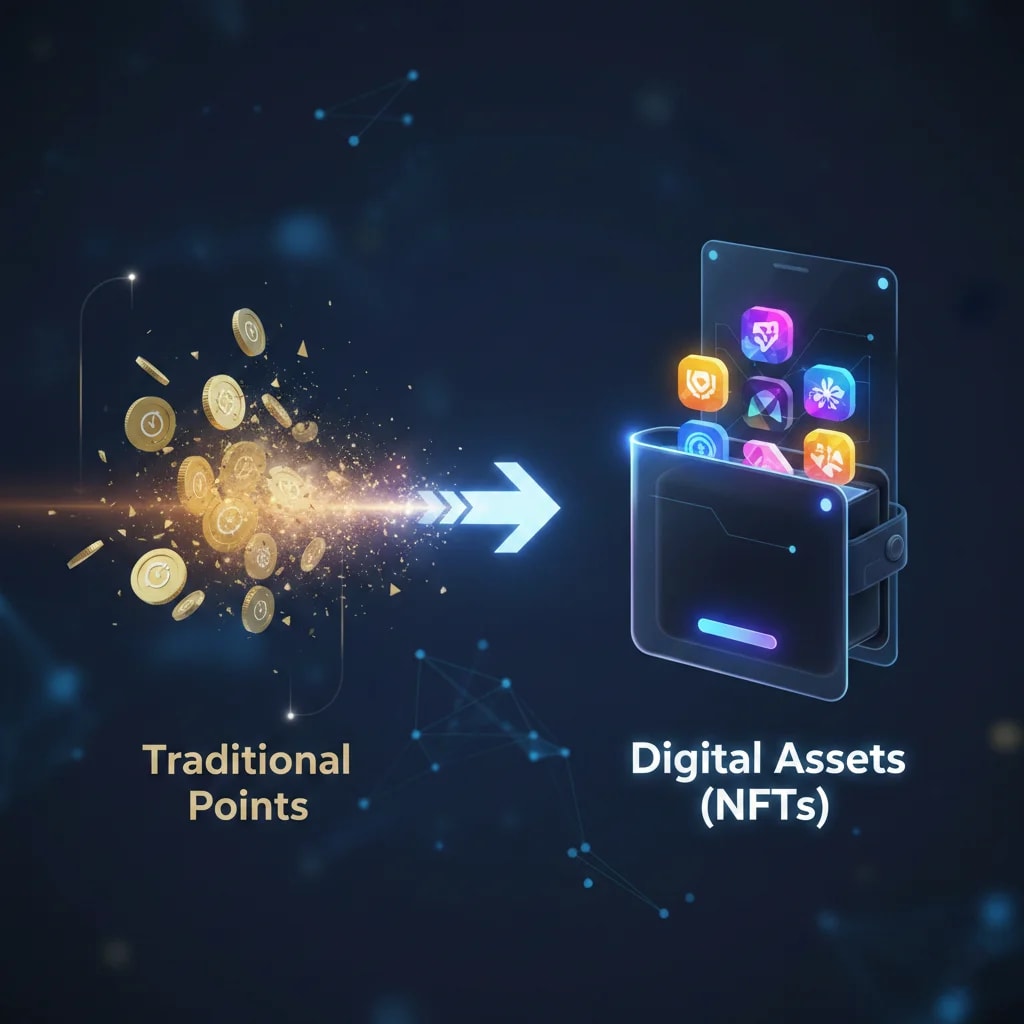
Blockchain Technology Creates Verifiable NFT Loyalty Ownership
At its core, blockchain is a distributed ledger that records transactions immutably. When loyalty rewards are issued as NFT tokens, they are stored permanently on-chain.
Unlike traditional loyalty points:
- NFTs cannot be duplicated
- ownership is transparent
- transferability can be programmed
This adds credibility to reward programs. Customers don’t just earn points; they receive assets recorded on blockchain technology, increasing trust and perceived value.
For brands building secure NFT infrastructures, our blockchain development services support scalable smart contract systems. Get a free consultation and start today.
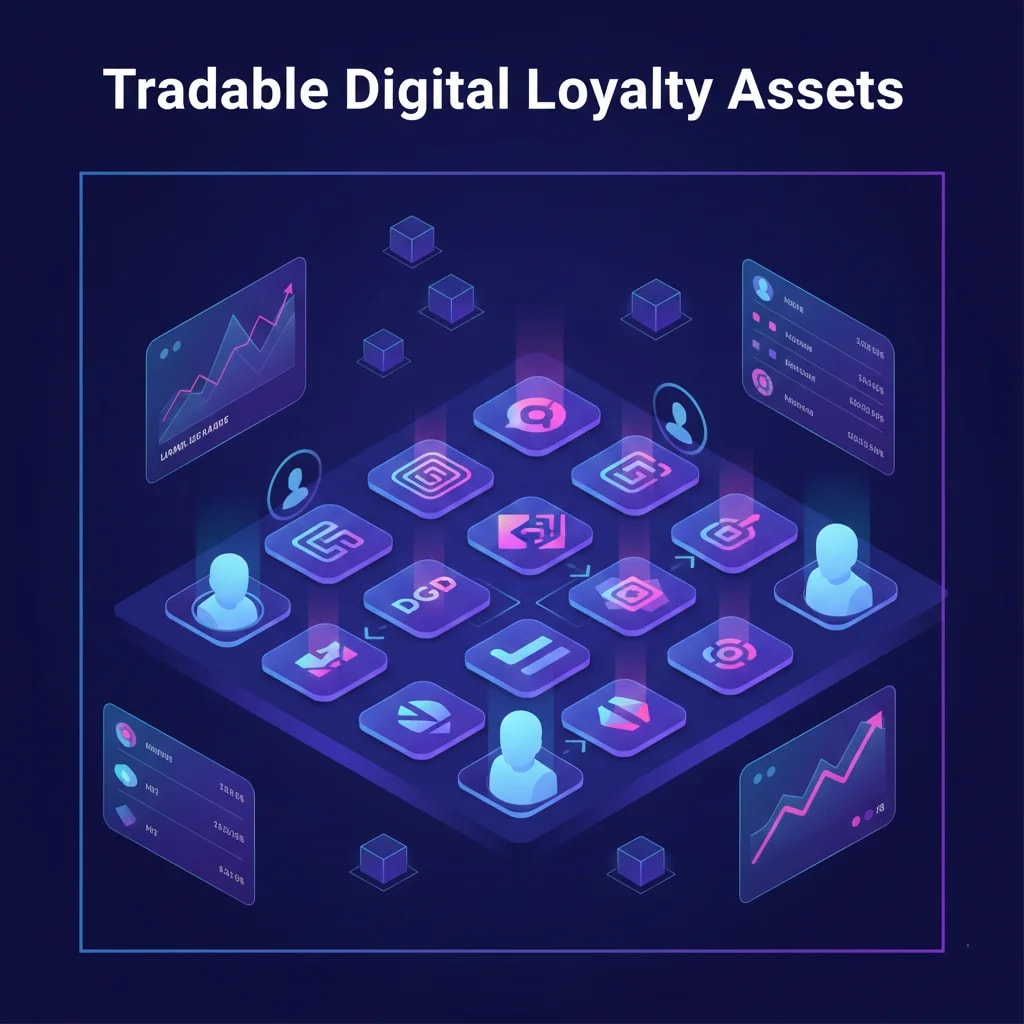
NFT Platforms Turn Loyalty Into Tradable Digital Assets
A major shift happens when rewards become tradable.
On a dedicated NFT platform, loyalty tokens can be:
- held for long-term benefits
- traded between users
- redeemed for exclusive experiences
This introduces a secondary market dynamic. While not every loyalty NFT becomes the most expensive NFT, scarcity and brand reputation can significantly influence NFT price.
This changes how customers think about rewards. Instead of expiring points, they own digital collectibles with potential value.
NFT Websites Improve User Engagement and Accessibility
A dedicated NFT website simplifies the user journey. Instead of complex dashboards, brands can design intuitive interfaces where users:
- track earned NFTs
- view reward tiers
- explore redemption options
User-friendly design reduces friction when customers want to buy NFT loyalty tokens or participate in limited drops.
For businesses building branded NFT ecosystems, EthElite’s custom blockchain application development services help integrate seamless web experiences.
How NFT Selling Expands Loyalty Beyond Discounts
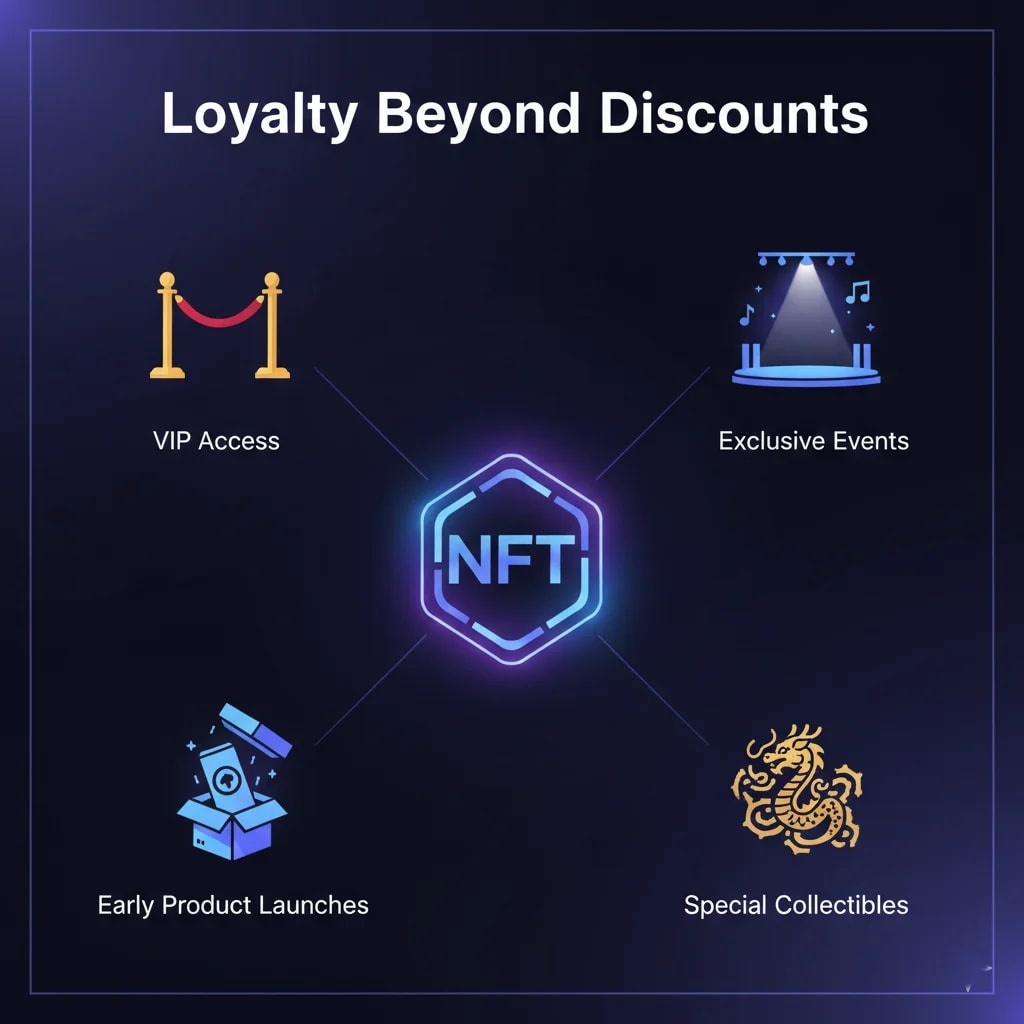
Traditional loyalty programs revolve around discounts. NFT loyalty models expand the concept into digital collectibles and exclusive privileges.
Examples include:
- VIP membership NFTs
- event-access NFT passes
- early product launch rights
Because these are non fungible tokens, each NFT can carry unique metadata and benefits.
This enhances engagement by giving customers a sense of exclusivity and identity rather than transactional savings.
NFT Tokens Enable Tiered Reward Systems on Blockchain
One powerful advantage of using an NFT token is programmability.
Smart contracts allow brands to design tiered systems where:
- holding one NFT unlocks basic rewards
- combining multiple NFTs unlocks premium access
- time-based ownership triggers bonus perks
This layered reward model encourages long-term retention instead of short-term redemption.
Blockchain’s immutability ensures fairness, rules are transparent and cannot be changed arbitrarily.
Market Perception and NFT Price Influence Brand Loyalty
Unlike traditional loyalty points, NFTs exist in open markets. Their NFT price can fluctuate based on demand, scarcity, and brand reputation.
While the goal of loyalty NFTs is engagement rather than speculation, market visibility increases perceived value. Some NFTs in other sectors have reached levels comparable to the most expensive NFT collectibles, demonstrating the power of scarcity and community.
For loyalty programs, this doesn’t mean chasing hype, it means leveraging digital ownership to strengthen brand relationships.
Blockchain Security Builds Trust in NFT Loyalty Systems
Trust is essential in any loyalty program. Blockchain-backed NFTs ensure that:
- rewards cannot be altered retroactively
- ownership history is traceable
- fraud risk is minimized
This transparency improves customer confidence, particularly when loyalty tokens hold real value.
As blockchain continues to evolve, its role in securing digital reward ecosystems will expand significantly.
FAQ: NFT Loyalty Programs
Q: What are NFTs in loyalty programs?
A: They are blockchain-based digital assets used as rewards or membership tokens.
Q: Can users buy NFT loyalty tokens?
A: Yes, some brands allow users to buy NFT rewards directly on an NFT platform.
Q: Do NFT prices matter in loyalty programs?
A: They influence perceived value but are not always the primary goal.
Q: Are NFTs secure?
A: Yes, when issued on secure blockchain networks.
Q: Is NFT selling necessary for loyalty?
A: Not mandatory, but secondary markets increase engagement and flexibility.
Conclusion
Blockchain-based NFT loyalty programs signal a shift in how brands approach long-term engagement. By turning rewards into verifiable digital assets, companies move beyond one-time discounts toward ownership-driven relationships.
With blockchain technology providing transparency and NFT platforms enabling interoperability and tradability, loyalty systems become more dynamic and community-oriented. Behind these models are structured smart contract frameworks and careful ecosystem design areas where teams like EthElite contribute by aligning brand strategy with secure, scalable blockchain execution.
In the evolving digital economy, engagement is about ownership.
Share with your community!