Loading blog post...


7 Proven Ways Blockchain Can Improve Education Infrastructure
As education systems evolve, traditional paper-heavy verification and fragmented records are becoming obsolete. This article explores seven practical, real-world applications of blockchain technology from tamper-proof degrees and automated grant funding via smart contracts to student-owned Web3 identity portfolios. Discover how institutions worldwide, including major initiatives in Dubai, are integrating blockchain to create a more secure, transparent, and efficient academic infrastructure.
Education systems worldwide are being forced to evolve. Digital learning is mainstream, credentials are global, and students are more mobile than ever. At the same time, institutions are still dealing with paperwork-heavy verification processes, fragmented record systems, and rising data security risks.
That’s why conversations around blockchain in education are no longer theoretical.
Before exploring how it improves infrastructure, it’s worth answering some of the most searched questions:
- What is blockchain?
- What is blockchain technology and how does it work?
- What is web3?
In simple terms, blockchain technology is a distributed ledger that records data securely and immutably. Web3 technology represents the next evolution of the internet, one built around decentralization, ownership, and trustless systems.
Now let’s explore how blockchain and education intersect in practical, real-world ways.

1. Blockchain in Education for Tamper-Proof Academic Credentials
One of the most powerful applications of blockchain in education is credential verification.
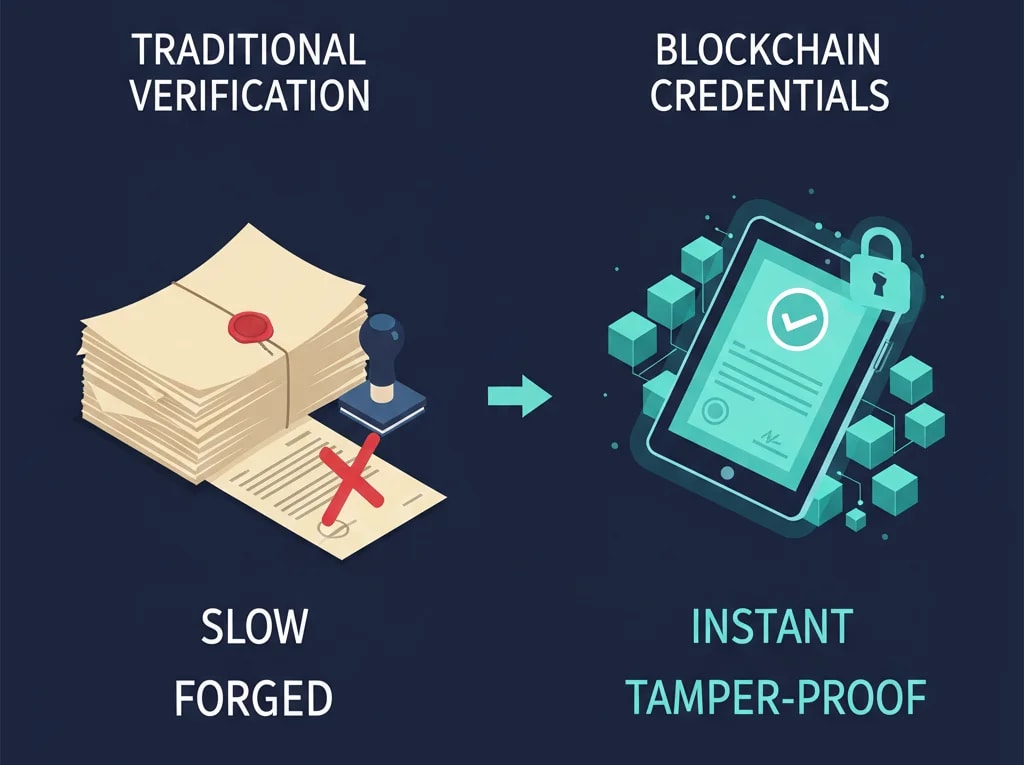
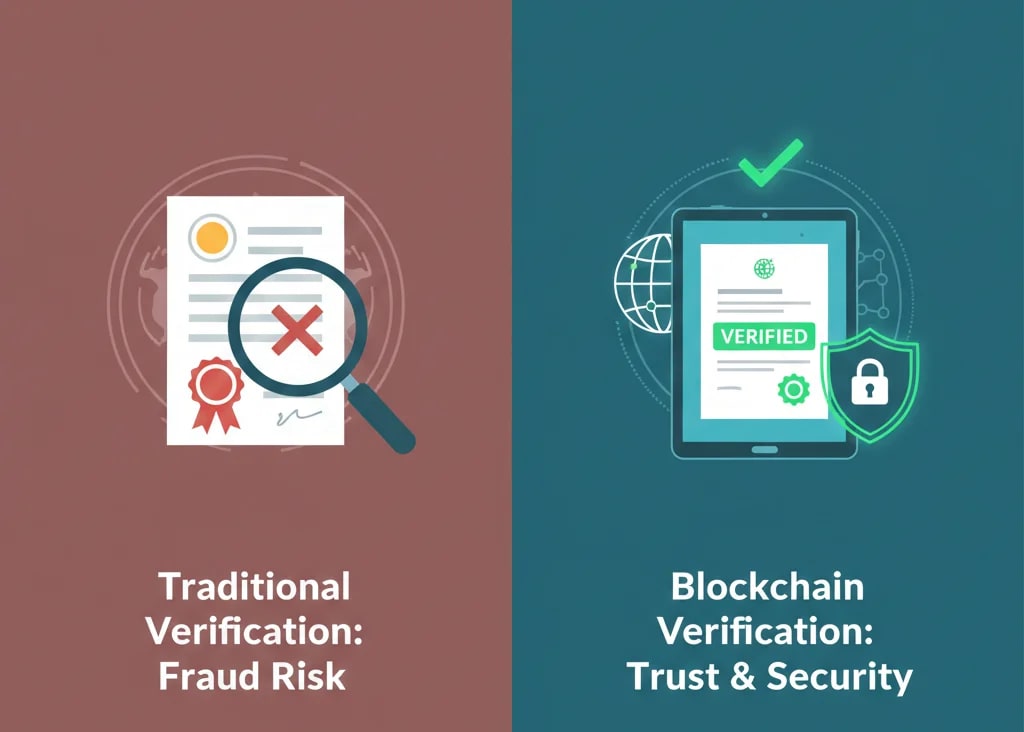
Traditional degree verification:
- takes days or weeks
- requires institutional approval
- can be forged
With blockchain, certificates are issued onto a secure ledger. Once recorded, they cannot be altered.
Countries are already exploring this. Dubai, for example, has been integrating blockchain initiatives across government systems and encouraging blockchain literacy in education as part of its digital transformation strategy. By embedding blockchain awareness into curriculum design, they prepare students for Web3-native industries.
This is a real-world application of blockchain in education, not speculation.
For institutions exploring secure academic platforms, our custom blockchain application development services support credential management systems.
2. Understanding What Smart Contracts Are in Educational Funding
Many people ask, what are smart contracts? or what is smart contracts?
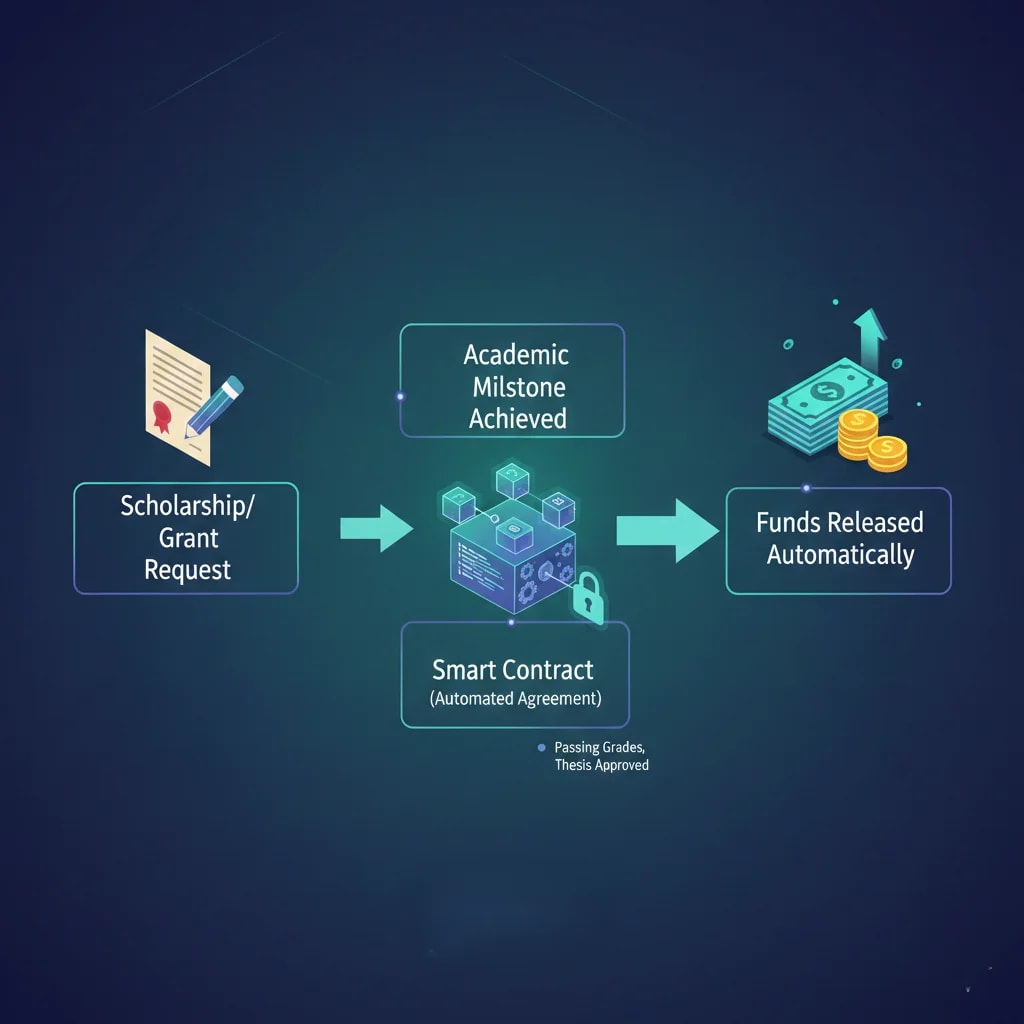
Smart contracts are automated programs that execute when predefined conditions are met.
In education, this can transform:
- scholarship distribution
- research grant allocation
- tuition payment schedules
For example, a scholarship could automatically release funds when academic milestones are verified on-chain.
Instead of relying on manual approvals, automation increases fairness and transparency.
3. Web3 Identity Systems for Lifelong Learning Portfolios
When asking what is web3 technology? or what is the web 3.0?, decentralized identity is central.
In a Web3-driven educational system:
- students control their own credentials
- certifications follow them globally
- employers verify achievements instantly
This shifts power from centralized databases to individuals aligning with broader principles of decentralization and digital ownership.
Countries investing in digital governance are increasingly exploring these identity frameworks as part of their educational modernization strategies.
4. Blockchain Technology in Healthcare Education and Medical Institutions
Another growing area is blockchain technology in medical field education. Medical credentials require strict verification standards.
A secure blockchain system ensures:
- doctor licensing cannot be falsified
- clinical certifications remain verifiable
- research contributions are timestamped immutably
Understanding what is blockchain technology in simple words becomes easier when applied to high-stakes industries like healthcare and academia.
5. Reducing Administrative Overhead Through Blockchain Automation
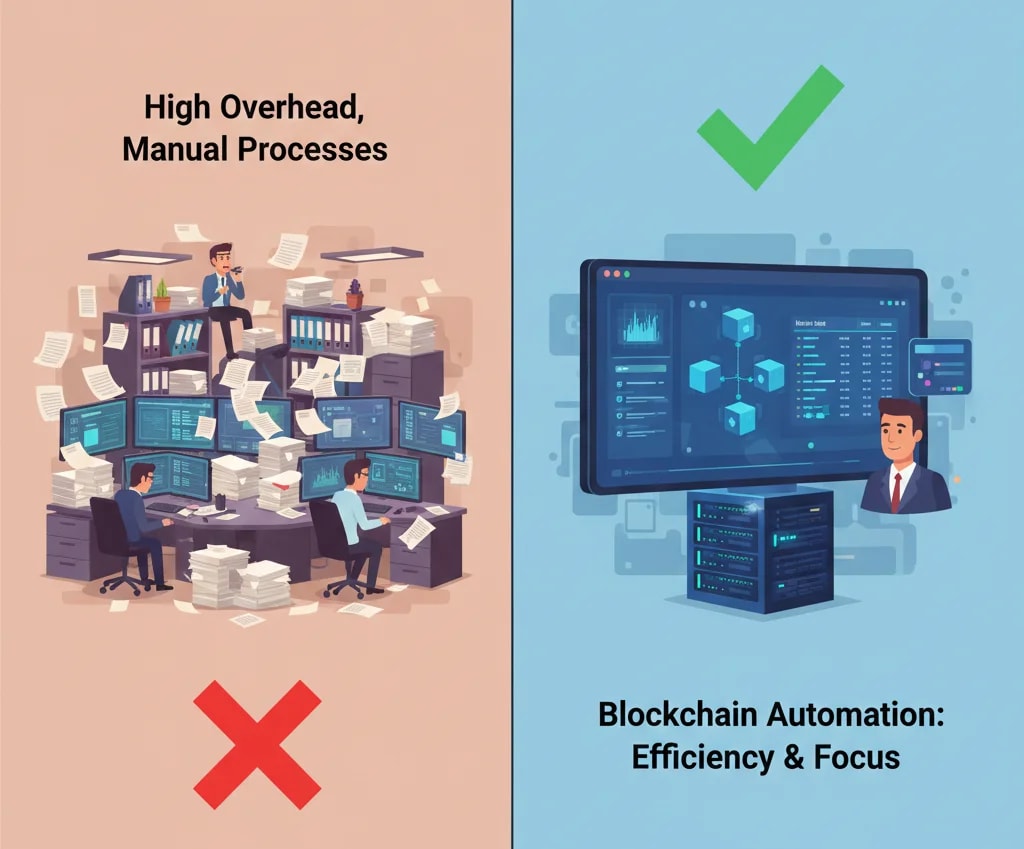
Universities spend significant resources reconciling data between departments.
If someone asks, what is blockchain and how does it work? the answer lies in shared, synchronized ledgers.
Blockchain reduces:
- duplicate data entry
- manual transcript processing
- record reconciliation errors
This efficiency frees institutions to focus on education rather than paperwork.
For universities modernizing systems, EthElite's blockchain development services help implement secure distributed architectures. Get a free consultation.
6. Preventing Academic Fraud at a Global Scale
Credential fraud is a growing problem in international hiring.
By leveraging blockchain:
- degrees are cryptographically verifiable
- timestamps confirm issuance authenticity
- employers reduce background check delays
This strengthens global trust in educational systems and aligns with the broader evolution of blockchain technology applications.
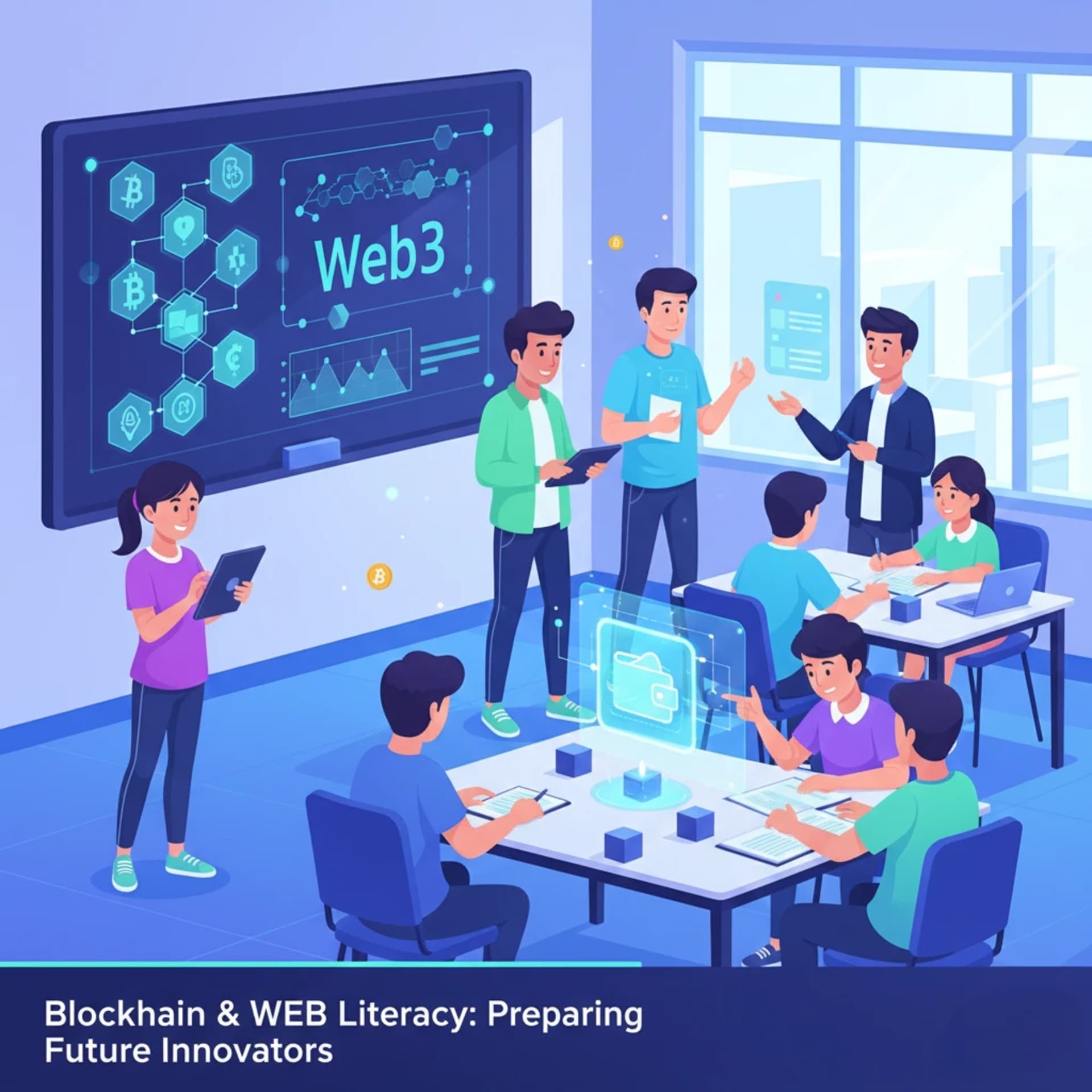
7. Integrating Blockchain Literacy Into National Curriculum
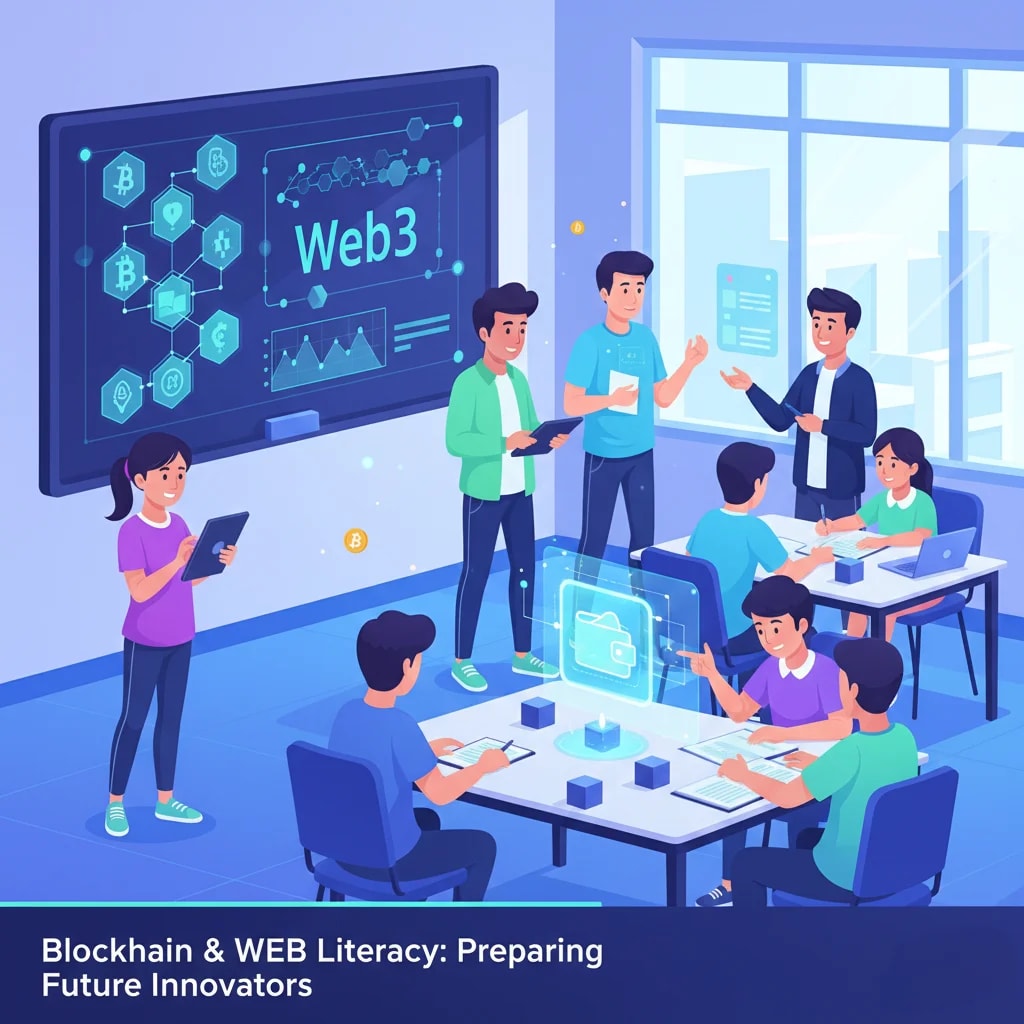
Perhaps the most forward-thinking shift is including blockchain itself in education.
Governments like the UAE (including Dubai’s digital transformation initiatives) are encouraging blockchain awareness in academic programs. Students are being introduced to:
- what is blockchain in cryptocurrency
- what is cryptocurrency and how it works
- what is blockchain and cryptocurrency
By embedding blockchain literacy into curriculum, countries prepare the next generation for participation in the Web3 economy.
This isn’t just about technology, it’s about workforce readiness.
How Blockchain in Cryptocurrency Connects to Education
Many people still associate blockchain solely with crypto and ask:
- What is crypto?
- What is blockchain in cryptocurrency?
Cryptocurrency uses blockchain to record financial transactions securely. But education shows that blockchain’s value extends far beyond finance.
The same distributed ledger principles that power digital currencies can secure academic credentials and automate institutional processes.
FAQ: Blockchain and Education Infrastructure
Q: What is blockchain in simple words?
A: A secure digital record system shared across multiple participants.
Q: How does blockchain improve education?
A: By securing records, automating funding, and reducing fraud.
Q: Are countries adopting blockchain in education?
A: Yes. Governments like Dubai are promoting blockchain integration in digital governance and curriculum awareness.
Q: What role does Web3 play in education?
A: Web3 enables decentralized identity and student-owned credentials.
Q: Is blockchain only for cryptocurrency?
A: No. Cryptocurrency is just one application of blockchain technology.
Conclusion
Education is evolving alongside digital infrastructure. As institutions modernize, blockchain in education is emerging as a foundational technology for trust, transparency, and efficiency.
From tamper-proof credentials to automated scholarship systems and decentralized identity models, blockchain is reshaping how academic ecosystems function. As forward-looking regions such as Dubai integrate blockchain literacy into curriculum and governance frameworks, the shift becomes structural rather than experimental. Behind this transition are development partners like EthElite who understand both infrastructure and implementation that focus on building compliant, scalable blockchain systems for real-world institutions.
The future of education won’t just be digital, it will be verifiable, decentralized, and built on trust.
Share with your community!