Loading blog post...


6 Reasons Solana Is Ideal for Modern Web3 Web Development
As Web3 moves from experimental tech to mainstream products, user experience is the new battleground. This guide explores why Solana has become the gold standard for high-performance dApps, offering the speed, cost-efficiency, and developer tools necessary to bridge the gap between Web2 and Web3.
Web3 has moved past experimentation. Today’s users expect applications that feel as fast and intuitive as Web2 without sacrificing decentralization. This shift has forced Web3 development companies to rethink their technical stack, especially when building user-facing products.
That’s where Solana stands out.
Designed for performance at scale, Solana has become a preferred foundation for modern Web3 development, particularly for applications that demand speed, low cost, and real-time interaction. Below are six reasons why Solana fits naturally into today’s Web3 web development landscape.
1. Solana’s Performance Changes What Web3 Web Apps Can Feel Like
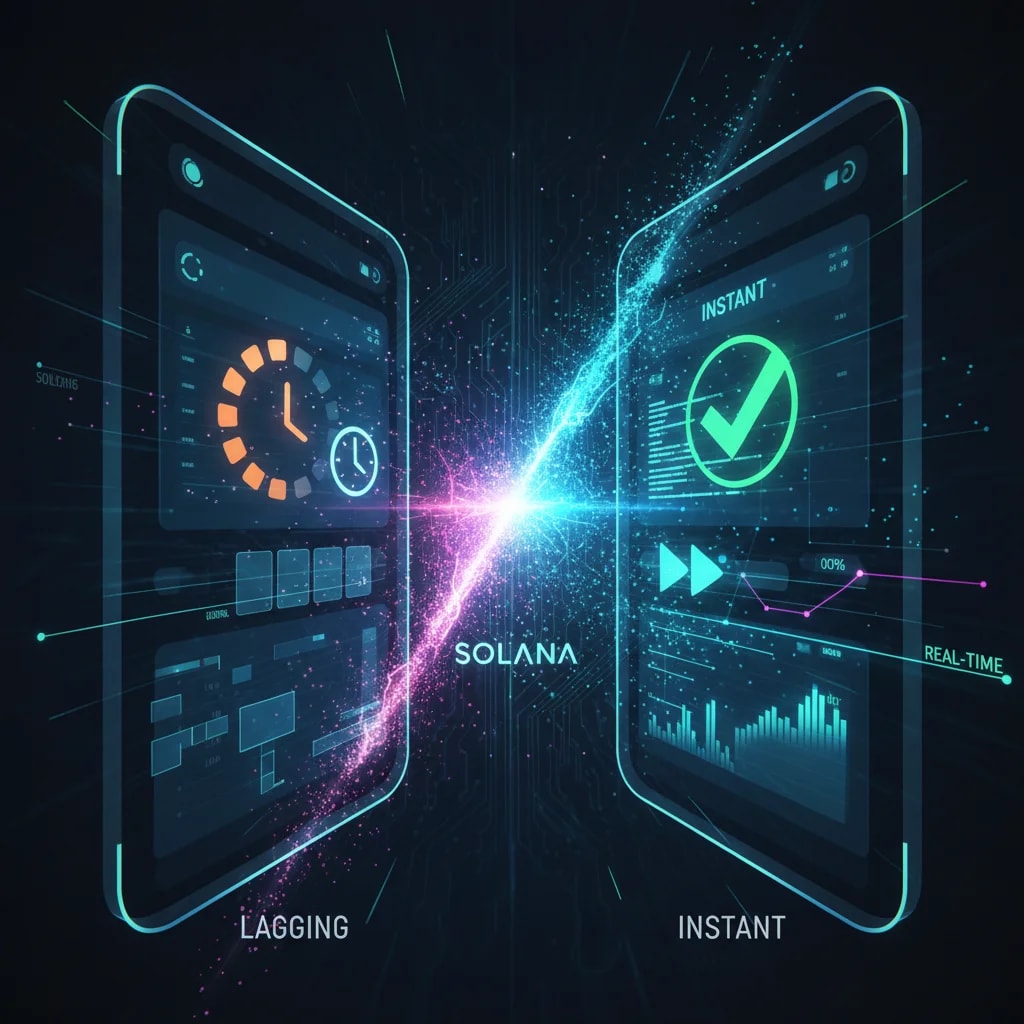
User experience has become the defining factor in Web3 adoption. On slower chains, even basic actions feel delayed. Solana removes that friction.
With high throughput and near-instant finality, Solana enables blockchain apps developers to build applications that respond in real time, something essential for modern web interfaces.
This performance advantage matters for:
- interactive dashboards
- real-time DeFi interfaces
- gaming and social applications
For any web3 developer focused on UX parity with Web2, Solana dramatically expands what’s possible at the frontend layer.
For teams evaluating chain performance, our blockchain consulting services help align UX goals with infrastructure choices. Get a free consultation.
2. Low Transaction Costs Enable Practical Web3 Development
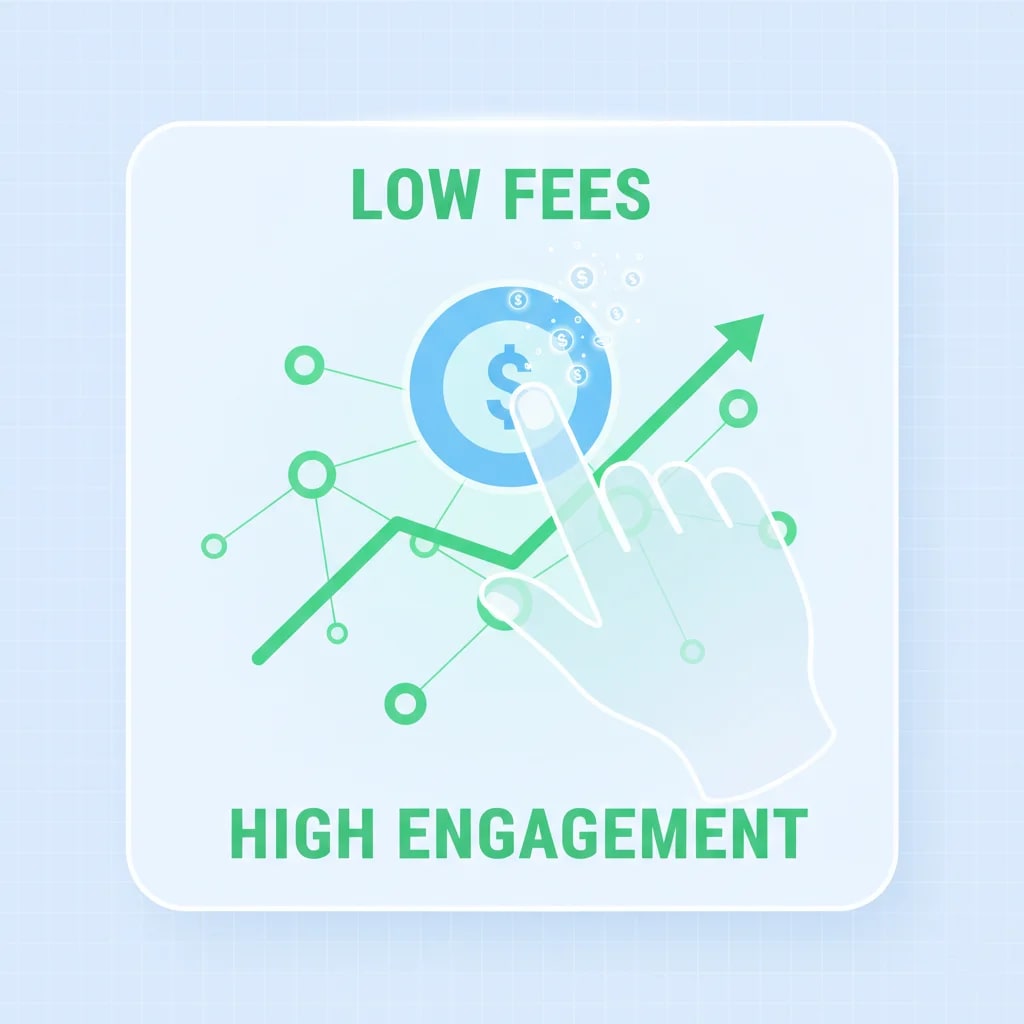
High fees silently kill adoption. When users hesitate to click a button because it costs money, engagement drops.
Solana’s low fees make frequent on-chain interaction viable. This is especially important for:
- consumer-facing dApps
- NFT marketplaces
- wallet-connected web apps
In contrast to fee-heavy chains, Solana allows Web3 devs to design flows without constantly optimizing around cost. This freedom simplifies dApp development and encourages experimentation.
EthElite’s Web3 development services focus on optimizing onchain interaction patterns.
3. Rust and Solidity Support Expand the Web3 Developer Pool
Developer availability matters. Solana’s ecosystem supports Rust, while also accommodating Solidity programming through compatibility layers.
This dual-language environment benefits web3 development companies by:
- reducing hiring friction
- allowing cross-chain developer mobility
- enabling safer, more performant smart contracts
Rust’s memory safety and performance characteristics are especially valuable for complex smart contract development. Meanwhile, Solidity familiarity helps onboard Ethereum-native blockchain developers.
For teams assembling engineering talent, our smart contract development services support multi-language ecosystems.
4. Solana Simplifies Blockchain App Development at Scale
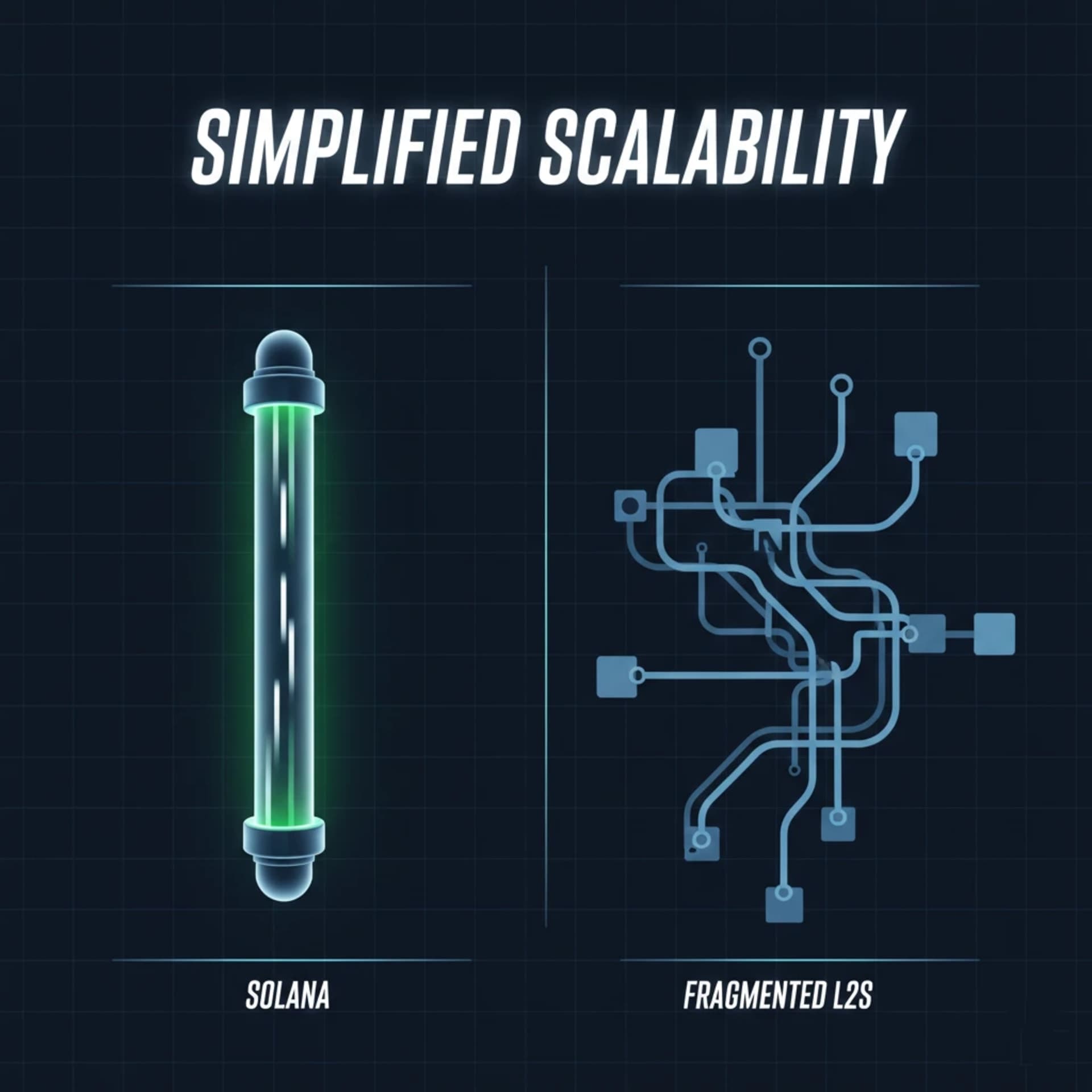
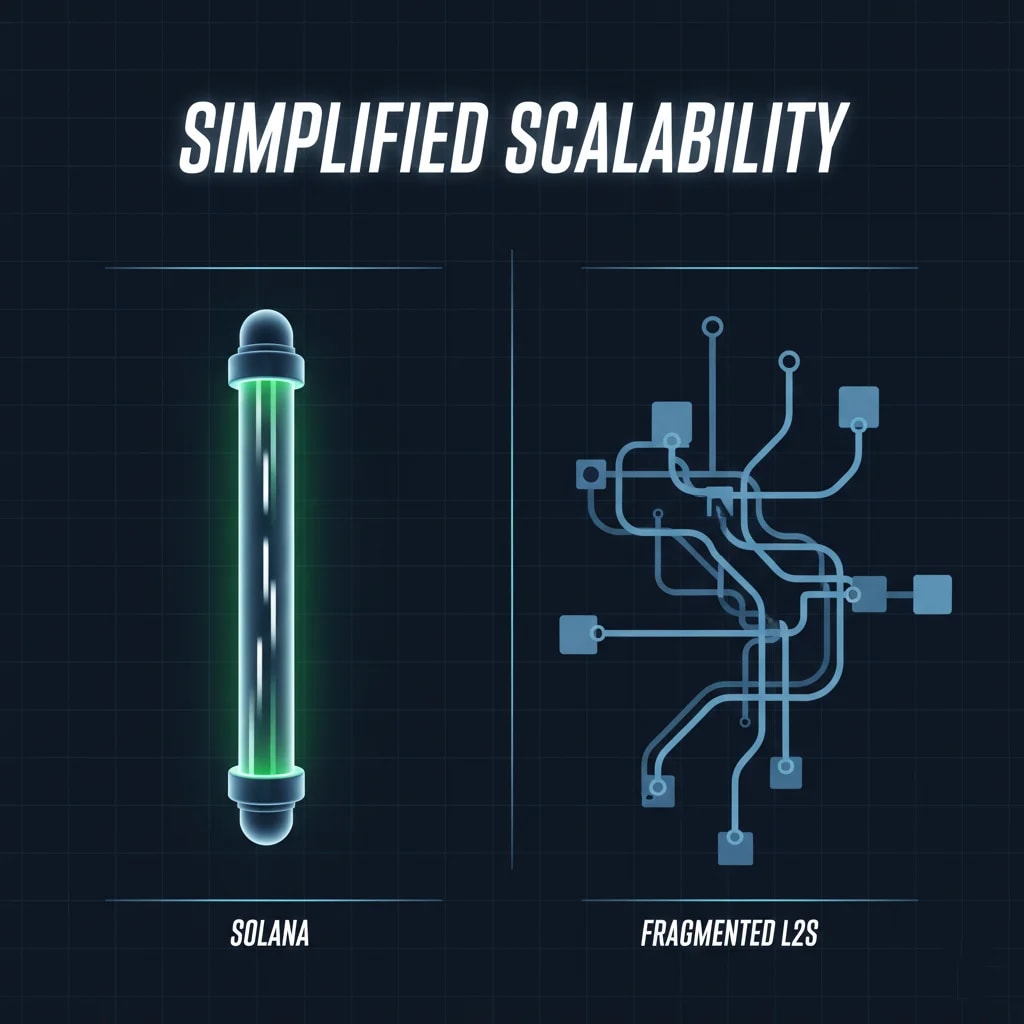
Scalability isn’t just about throughput, it’s about operational simplicity. Solana’s architecture reduces the need for fragmented scaling solutions.
This benefits blockchain development services by:
- minimizing infrastructure complexity
- reducing dependency on Layer 2s
- simplifying monitoring and deployment
Here, pointers help clarify the impact:
Solana enables:
- predictable performance under load
- cleaner backend logic
- fewer edge-case failures
EthElite’s blockchain app development services focus on production-grade deployment patterns. Get a free consultation.
5. Crypto Wallet Development Feels Native on Solana
Wallet interaction is often the weakest link in Web3 UX. Solana’s ecosystem has invested heavily in smooth wallet standards and integrations.
This makes crypto wallet development more intuitive:
- faster transaction confirmations
- clearer signing flows
- better feedback for users
As a result, blockchain apps developers can create onboarding experiences that don’t intimidate new users.
6. Solana Supports Long-Term Custom Blockchain Development
While many projects launch on public networks, others eventually need deeper control. Solana’s tooling makes it viable to evolve toward custom blockchain development without abandoning the ecosystem.
This flexibility benefits teams planning to:
- build your own blockchain components
- design specialized execution logic
- maintain performance at scale
For enterprises and startups alike, Solana provides a clear growth path from dApp to infrastructure.
Why Web3 Development Companies Are Choosing Solana More Often
As Web3 matures, infrastructure choices are becoming less ideological and more practical. Best blockchain development companies increasingly favor platforms that reduce friction for both users and developers.
Solana’s combination of speed, cost efficiency, developer tooling, and ecosystem maturity makes it a strong default choice for modern Web3 development services.
This doesn’t mean Solana is perfect for every use case but for web-centric applications, it aligns well with real user expectations.
FAQ: Solana and Web3 Web Development
Q: Is Solana suitable for Web3 web applications?
A: Yes, especially where speed and UX matter.
Q: Do I need Rust to build on Solana?
A: Rust is common, but Solidity compatibility exists through tooling.
Q: Is Solana good for smart contract development?
A: Yes, particularly for performance-critical applications.
Q: Can Solana be used for crypto wallet development?
A: Yes, the ecosystem supports robust wallet standards.
Q: Do Web3 development companies prefer Solana now?
A: Many do, especially for consumer-facing apps.
Conclusion
Modern Web3 applications are judged by how they feel, not just how they’re built. Solana’s architecture enables Web3 development that prioritizes speed, usability, and scalability without compromising decentralization.
For blockchain developers, Web3 devs, and Web3 development companies, Solana offers a foundation where performance constraints fade into the background and product decisions come forward. This is increasingly reflected in how experienced build teams like EthElite approach Solana projects by placing user experience and execution reliability at the center.
In a space where user patience is thin, infrastructure that removes friction isn’t a luxury, it’s a necessity.
Share with your community!