Loading blog post...


6 Reasons How Crypto Staking Is Becoming More Competitive in 2026
The era of 'set-it-and-forget-it' staking is officially over. In 2026, crypto staking has transformed into a high-octane competitive arena where exchanges, private wallets, and institutional players battle for liquidity. From the rise of restaking protocols to the dominance of Liquid Staking Tokens (LSTs), discover the six structural shifts redefining how you earn passive income in the digital asset economy.
Over the past few years, crypto staking has shifted from a niche activity to a mainstream component of the digital asset economy. What started as a passive income alternative to mining is now a core strategy within crypto investment portfolios worldwide.
But in 2026, staking is no longer simple. Competition has intensified. Rewards fluctuate rapidly. Platforms differentiate aggressively. And users are more selective than ever about where and how they stake crypto.
Let’s explore why staking in crypto is becoming more competitive and what that means for investors and platforms alike.
1. More Cryptocurrency Exchanges Offering Staking Crypto Services
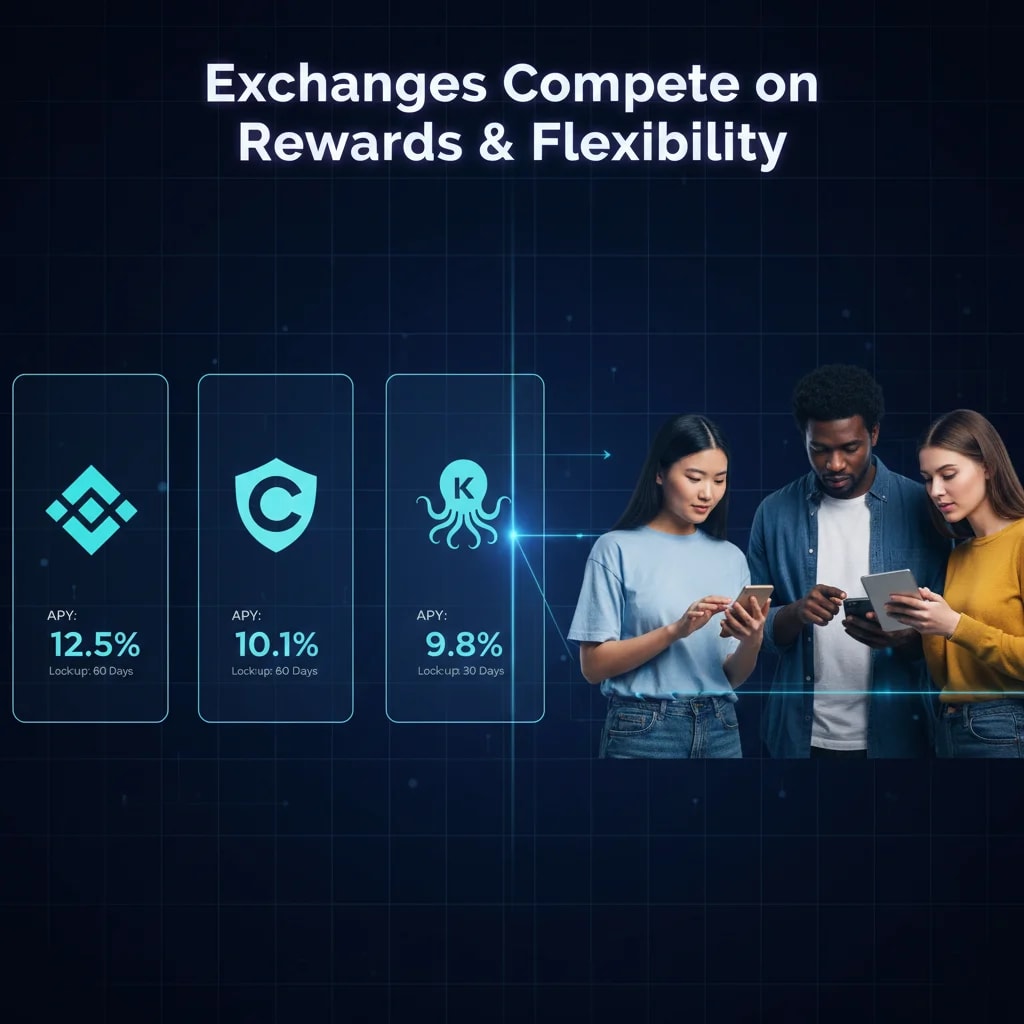
In the early days, staking was limited to blockchain-native wallets or validator nodes. Today, nearly every major cryptocurrency exchange integrates staking features directly into their dashboard.
This shift has changed the landscape:
- exchanges compete on reward percentages
- lock-in periods vary widely
- flexible staking models attract beginners
As a result, users evaluating different crypto sites compare not only trading fees but also staking returns.
For platforms building integrated staking features, our blockchain development services support scalable and secure staking architectures. Get started.
2. Growing Integration Between Crypto Wallets and Staking
The role of the crypto wallet has evolved significantly. Many modern wallets now allow users to participate in staking without moving assets to an exchange.
This creates a new level of competition between:
- centralized exchanges
- decentralized wallet-based staking
- validator-operated platforms
For users, this means more control. For platforms, it means tighter competition for liquidity.
Wallet-based staking is especially appealing for those who want to maintain custody while earning rewards.
3. Competitive Reward Structures Driven by Market Volatility
Staking rewards are closely linked to crypto prices. When markets surge, staking yields attract more participants. When markets decline, platforms increase incentives to retain users.
This dynamic creates a competitive cycle:
- higher yields during downturns
- flexible withdrawal options
- bonus incentives for long-term staking
Because staking returns are influenced by token supply and network participation, platforms must constantly adjust reward models to stay attractive.
4. Institutional Entry Into Cryptocurrency Investment Strategies
Staking is no longer limited to retail investors. Institutional players now view cryptocurrency investment portfolios as incomplete without staking exposure.
Institutions demand:
- audited smart contract security
- transparent reward calculations
- compliance-ready reporting
This institutional involvement increases competition across platforms offering staking crypto services.
For companies building staking infrastructure for enterprise clients, EthElite’s smart contract development services ensure secure and scalable deployment.
5. Advanced Risk Awareness Among Crypto Investors
As the market matures, users are becoming more informed about staking risks.
Key risk factors include:
- validator downtime
- slashing penalties
- liquidity lockups
This growing awareness forces platforms to differentiate not just on returns but also on safety and reliability.
Users now evaluate staking options the same way they evaluate crypto trading strategies — with careful risk analysis.
The competition isn’t just about yields anymore. It’s about trust.
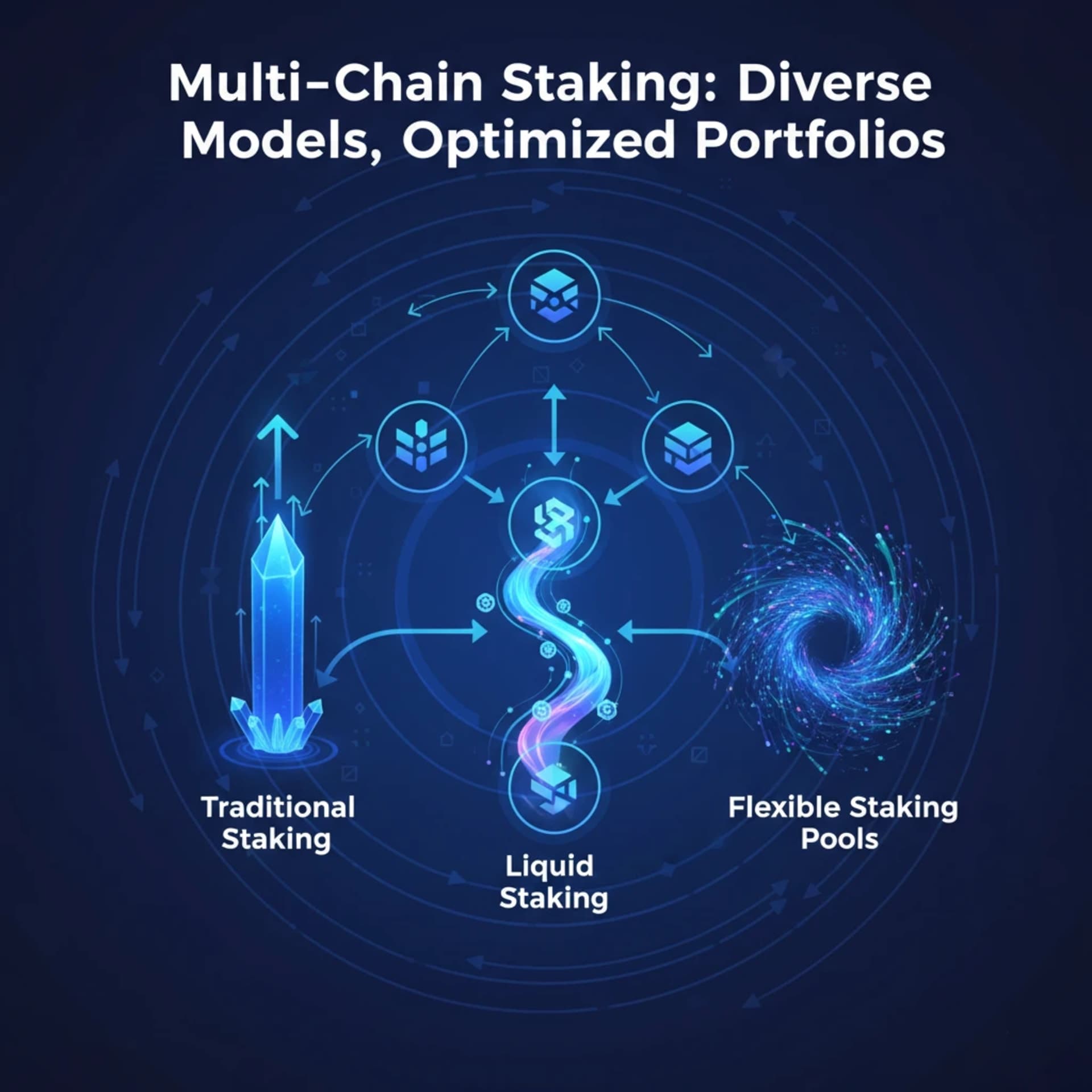
6. Expansion of Staking Models Across New Blockchain Networks
In 2026, more blockchains are shifting toward proof-of-stake mechanisms. This expansion increases the number of tokens available for staking and broadens the competitive field.
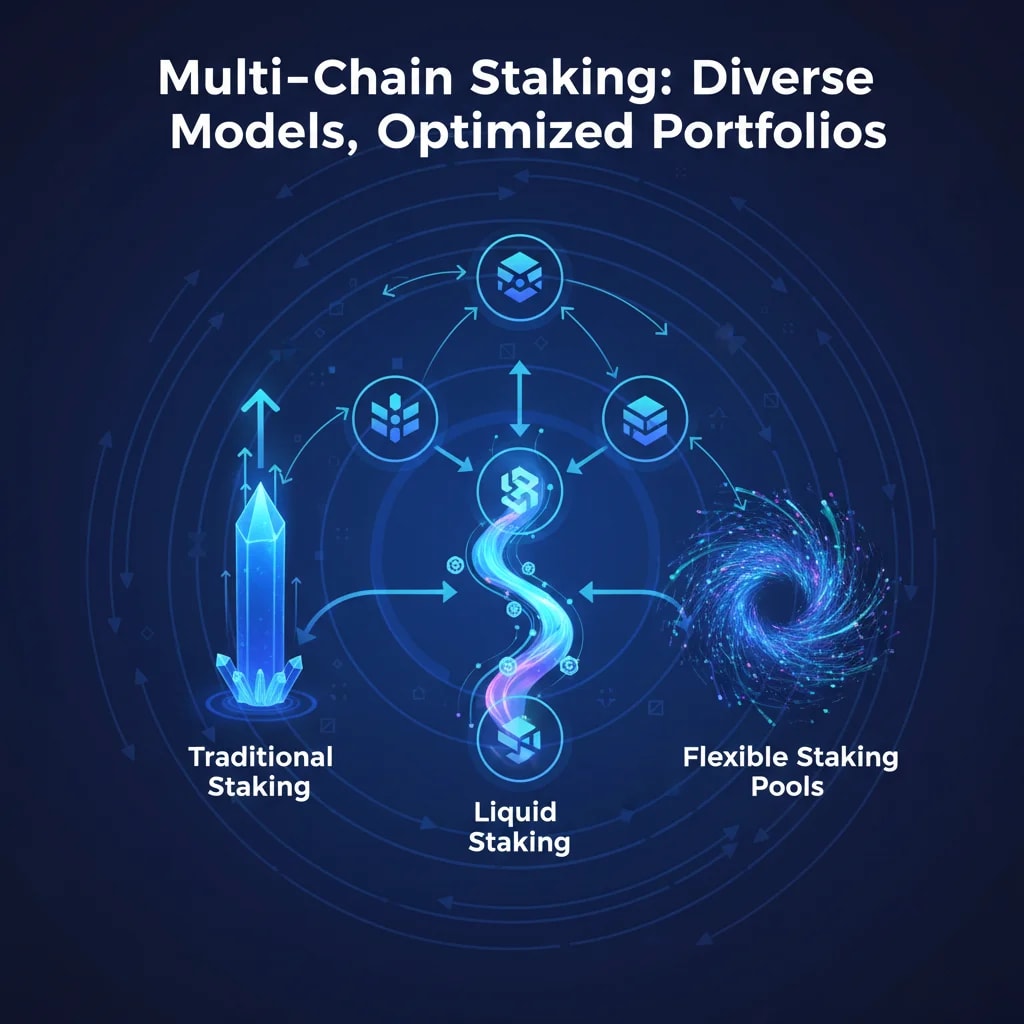
Investors now compare:
- traditional staking
- liquid staking derivatives
- flexible staking pools
As staking opportunities multiply, users look for the most efficient way to optimize their crypto investment portfolios.
Platforms that offer seamless integration between staking, trading, and wallet management gain a clear advantage.
How Crypto Staking Fits Into Modern Crypto Investment Strategies
Staking is no longer separate from broader investment activity. Many traders combine crypto trading with staking strategies to maximize capital efficiency.
For example:
- assets held long-term may be staked
- short-term trading profits may be rotated into staking pools
- diversified portfolios balance volatility with staking yield
This hybrid strategy is reshaping how investors interact with cryptocurrency exchange platforms and decentralized networks alike.
FAQ: Crypto Staking in 2026
Q: What is crypto staking?
A: Crypto staking involves locking digital assets to support a blockchain network in exchange for rewards.
Q: Is staking better than trading?
A: They serve different purposes. Staking generates passive income, while trading seeks active profit from price movements.
Q: Can I stake crypto directly from a wallet?
A: Yes, many crypto wallets now support native staking.
Q: Does staking depend on crypto prices?
A: Yes, reward value fluctuates with market prices.
Q: Is staking safe?
A: When done through reputable platforms and secure smart contracts, staking can be relatively safe, though risks still exist.
Conclusion
In 2026, crypto staking is no longer a passive afterthought, it has become a competitive layer within the digital asset ecosystem.
With more exchanges, deeper wallet integrations, institutional participation, and increasingly complex reward structures, the staking landscape is more dynamic than ever.
For investors, that means greater choice and greater responsibility.
For platforms, it means designing systems that are secure, transparent, and technically resilient. EthElite is the partner that focuses their attention, ensuring staking logic, reward distribution and user flows are engineered for long-term reliability rather than short-term attraction.
As staking continues to mature, the platforms that combine strong security, clear incentives, and seamless user experience will stand out in an increasingly competitive environment.
Share with your community!