Loading blog post...


Why Choosing the Wrong Blockchain Can Kill Your Crypto Token Project
In the rush to launch new crypto coins, founders often treat blockchain selection as a minor technical detail. However, this foundational choice shapes everything from transaction latency and gas fees to investor trust and liquidity. This guide explores the critical risks of "mismatched" infrastructure and why the right blockchain is the ultimate survival tool for any modern Web3 token project.
Launching a crypto token is not about writing a smart contract and listing it on an exchange. Behind every successful web3 token lies a critical decision that many teams underestimate: choosing the right blockchain.
For founders rushing to launch new crypto coins, the blockchain often feels like a technical detail. In reality, it shapes everything from performance and security to community adoption and long-term viability.
This guide explores why the blockchain choice can make or break a token project, and how teams can avoid costly mistakes when building in the modern Web3 ecosystem.
Blockchain Is Not Just Infrastructure, It’s the Operating System of Your Token
Every crypto token inherits the strengths and weaknesses of the blockchain it runs on. Transaction speed, fees, security, developer tooling, and ecosystem support all depend on the underlying network.
When teams choose a blockchain based on hype instead of architecture, they often discover limitations too late. A slow or congested chain can turn a promising web3 token into a frustrating user experience.
In practical terms, blockchain selection affects:
- transaction latency and scalability
- user onboarding friction
- compatibility with wallets and DeFi protocols
This is why blockchain choice should be treated as a strategic product decision, not a backend setup step.
For teams evaluating blockchain options, our blockchain consulting services help align chain selection with real product goals. Check it out today.
Liquidity and Ecosystem Depth Shape the Fate of New Crypto Coins
A blockchain is more than technology, it’s an ecosystem. The availability of exchanges, wallets, DeFi platforms, and developers determines how easily a token can gain traction.
Many new crypto coins fail not because they lack utility, but because they launch on chains with shallow ecosystems. Without liquidity and integrations, even technically sound tokens struggle to reach users.
Here’s where pointers clarify the impact:
Ecosystem depth influences:
- access to liquidity pools
- visibility on crypto platforms
- developer and community adoption
This is why the best token to buy now often comes from ecosystems with strong infrastructure and active communities.
Our token launch services focus on ecosystem-aware deployment planning.
Technical Constraints of Blockchain Limit Web3 Token Design
Every blockchain imposes technical boundaries. These constraints directly affect how web3 tokens are designed and used.
Examples include:
- gas fee volatility
- contract size limits
- execution models (sequential vs parallel)
- interoperability with other chains
A token designed for high-frequency use will fail on a blockchain with slow finality. Similarly, complex token logic may be impractical on chains with strict resource limits.
Understanding these constraints early prevents architectural mismatches that cripple projects later.
Check out our smart contract development services that help design logic tailored to blockchain capabilities.
Community Perception Is Shaped by Blockchain Choice
In crypto, perception matters almost as much as technology. The blockchain you choose sends a signal to investors, developers, and users.
Launching a crypto token on a respected blockchain can boost credibility. Conversely, launching on obscure or unstable chains can raise doubts about legitimacy.
This perception influences:
- listing opportunities
- investor confidence
- community engagement
Many projects underestimate this psychological layer, but it often determines whether a token gains momentum or fades quietly.
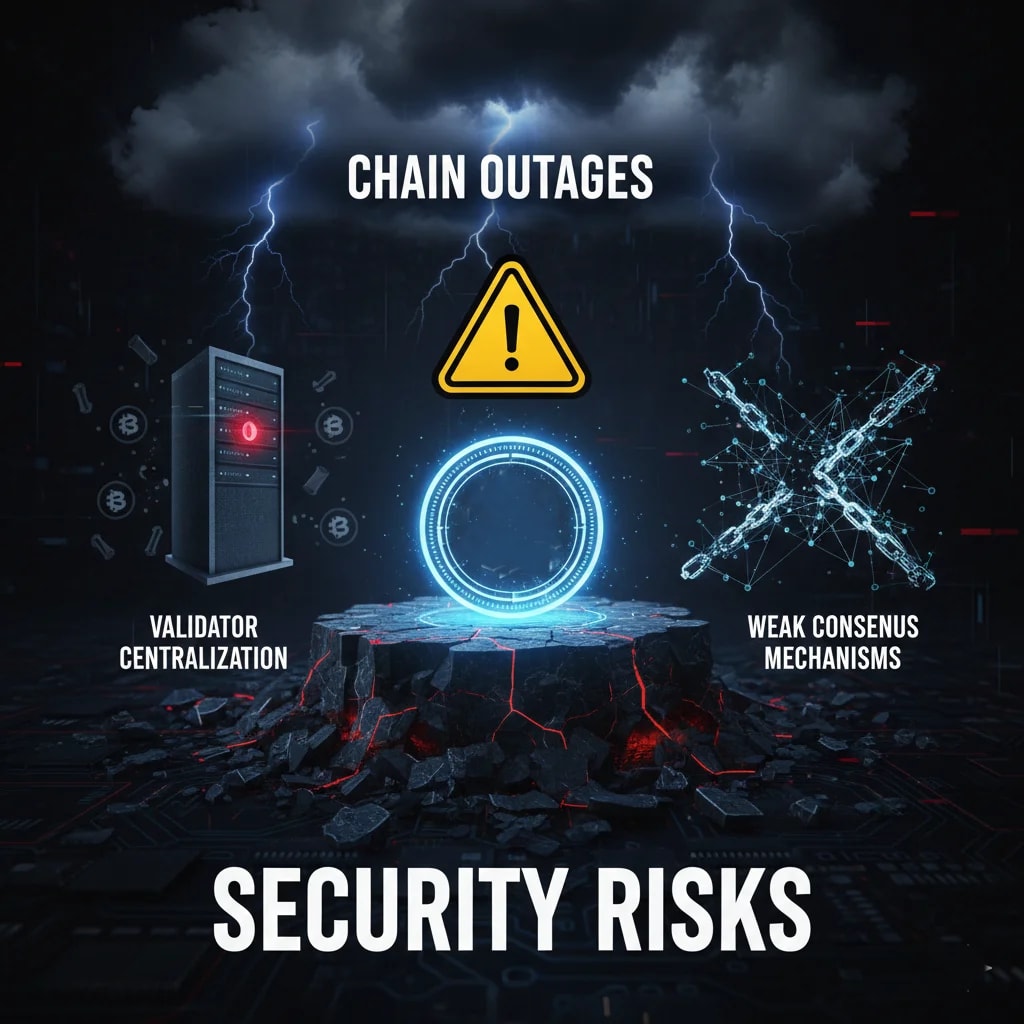
Security and Reliability Risks Multiply on the Wrong Blockchain
Security is not just about smart contracts. The blockchain itself must be resilient.
Some chains prioritize speed over decentralization. Others lack mature security tooling or reliable validators. A token deployed on such chains inherits systemic risk.
Risks include:
- chain outages
- validator centralization
- weak consensus mechanisms
When these risks materialize, they affect every token on the network, not just poorly written contracts.
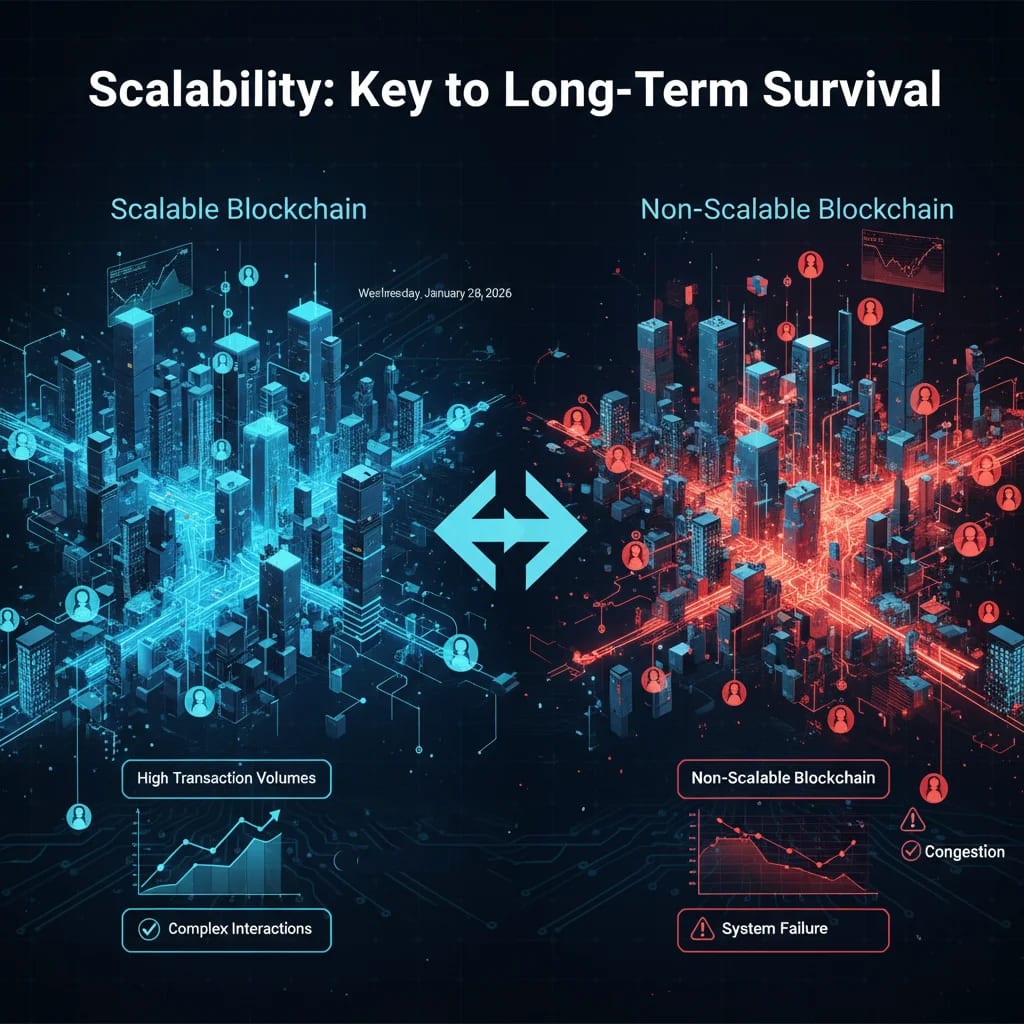
Long-Term Scalability Determines Whether a Crypto Token Survives
Many crypto tokens list platforms are filled with projects that launched successfully but failed to scale. Often, the root cause is blockchain limitations.
As user activity grows, the blockchain must handle:
- higher transaction volumes
- complex interactions
- cross-chain integrations
A blockchain that works for early adoption may collapse under real-world demand. Choosing a scalable foundation is essential for long-term survival.
FAQ: Blockchain Choice and Crypto Tokens
Q: Does blockchain choice really affect token success?
A: Yes. It influences performance, security, ecosystem access, and perception.
Q: Can a crypto token migrate to another blockchain later?
A: Yes, but migration is complex and risky.
Q: Is the best token to buy now always on major blockchains?
A: Not always, but strong ecosystems increase survival chances.
Q: Do all new crypto coins need high-performance blockchains?
A: It depends on use case, but mismatched chains often cause failure.
Q: Is blockchain selection more important than tokenomics?
A: Both matter, but blockchain choice sets the foundation for tokenomics.
Conclusion
Choosing the wrong blockchain is not a minor technical mistake, it’s really a strategic failure that can quietly kill a crypto token project. From ecosystem depth and scalability to perception and security, the blockchain shapes every aspect of a token’s lifecycle.
For teams launching new crypto coins or building the next web3 token, blockchain selection should be treated as a core design decision, not an afterthought. This is where Eth Elite adds value by helping teams evaluate networks, architecture, and long-term scalability before a single line of code is deployed.
In Web3, the blockchain is not just where your token lives. It is the environment that determines whether it thrives or disappears.
Share with your community!