Loading blog post...


The Complete Guide to Modern NFT Marketplace Development
Modern NFT marketplace development in 2025 is about building digital ownership infrastructure, not just minting and trading NFTs. Successful platforms combine scalable architecture, multi-chain support, secure smart contracts, optimized UX, and creator-focused monetization. Marketplaces that treat NFTs as an ecosystem rather than a feature are the ones that scale, stay secure, and attract long-term users.
NFTs have evolved far beyond simple collectibles. In 2025, NFT marketplaces power asset ownership, creator monetization, IP licensing, gaming economies, virtual worlds, loyalty systems and on-chain commerce. What used to be a niche Web3 experiment has become a digital ownership infrastructure serving creators, enterprises, and global communities.
But building an NFT marketplace today is radically different from launching one in 2021. Users expect seamless UX, creators expect multipurpose monetization and businesses expect enterprise-grade security, scalability, and compliance. That’s why modern NFT marketplace development requires more than smart contracts, it requires architecture, user flows, token standards, security layers and ecosystem integrations that work reliably under real demand.
This guide breaks down the entire modern process, helping teams understand not just the technology but the strategy behind it.
Understanding NFT Marketplace Development: What Today’s Platforms Actually Require
Most founders assume an NFT marketplace is just minting, listing and trading. But modern NFT platforms act as ownership engines with features that adapt to multimedia assets, specialized royalties, cross-chain support, and dynamic metadata.
At its core, nft marketplace development includes:
- smart contract systems for minting, listing, auctions, and royalties
- configurable marketplaces for art, gaming, IP licensing, or enterprise use
- frontend environments optimized for Web3 onboarding
- multi-wallet support and transaction abstraction
- indexing services for real-time metadata updates
For a deeper technical breakdown, teams can explore our Blockchain Consulting services for Web3 founders.
Why Working With a Professional NFT Marketplace Development Company Changes the Outcome
A reliable nft marketplace development company doesn’t just build features, it also designs marketplaces that survive real-world traffic, unexpected user behavior, and adversarial conditions. The difference becomes obvious when scaling begins.
Professional development teams focus on:
- scalable smart contract architecture
- gas-efficient listing and auction mechanics
- secure metadata pipelines
- anti-fraud and anti-wash-trading mechanisms
- seamless mint-to-market flows
The result isn’t just a marketplace. It’s a fully functional ecosystem ready for creators, collectors, and enterprise users.
If your project needs architecture built for long-term scale, you can enquire with our NFT Marketplace development services.
White Label NFT Marketplace Development: Speed Without Compromising Customization
Many brands and creators want to launch quickly without building everything from scratch. This is where white label nft marketplace development comes in — offering prebuilt systems customized to match brand identity, asset types, and revenue models.
A white-label solution is ideal when:
- you need a fast go-to-market timeline
- you want predictable development costs
- customization is focused on branding and user flows
- your marketplace model aligns with proven templates
A good white-label system still allows custom smart contracts, royalty logic, and integrations, ensuring the product doesn’t feel generic.
Hiring an NFT Marketplace Developer: Why Expertise Matters More Than Ever
A seasoned nft marketplace developer understands not just Solidity, but the nuances of NFTs - metadata dynamics, on-chain vs off-chain storage, collection indexing, signature-based listings, and marketplace interactions.
A strong developer brings expertise in:
- EIP-721, 1155, 2981, and custom royalty standards
- lazy minting mechanics
- trait-based rarity pipelines
- creator earnings and secondary royalties
- cross-chain interoperability
Architecture Matters: The Core of Scalable NFT Marketplace Development Solutions
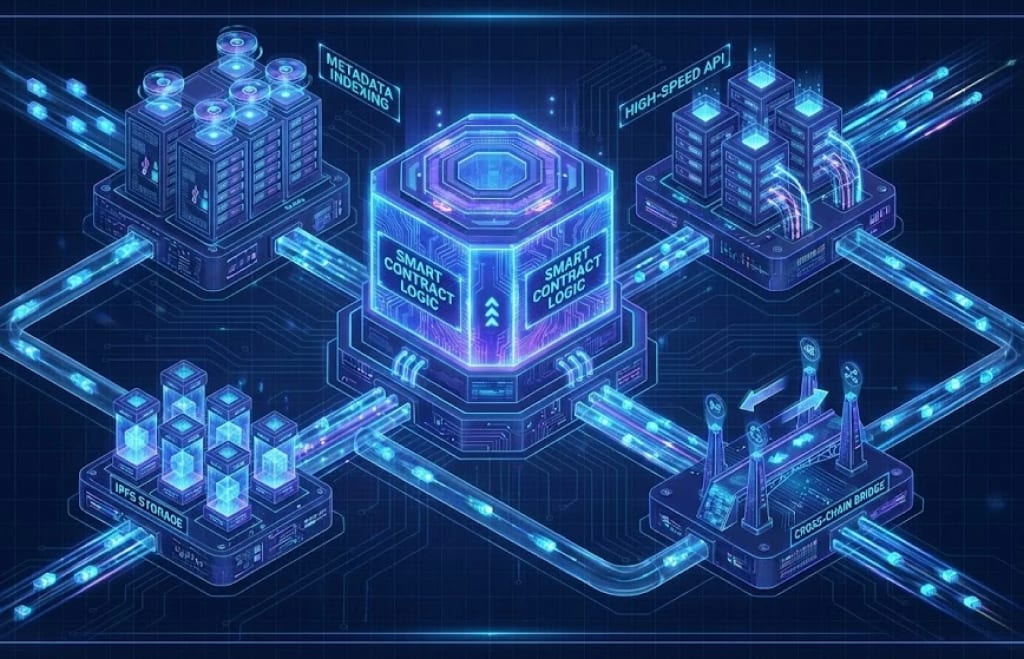
Modern NFT marketplaces operate like high-performance e-commerce engines with decentralized logic. That’s why your platform’s architecture determines its long-term scalability, security, and performance.
Effective nft marketplace development solutions include:
- modular contract design
- event-driven metadata indexing
- optimized API layers for heavy read operations
- content delivery pipelines
- user analytics and creator dashboards
This architectural layer ensures your product continues performing at scale as collections grow and trading activity spikes.
Security: The Most Overlooked Component of NFT Marketplace Development
Most teams focus heavily on UX and designs — and forget the attack surfaces that surround NFTs. Marketplaces are vulnerable not just to contract bugs, but to metadata tampering, frontend injection attacks, signature drainers, and marketplace manipulation.
Where pointers help, here’s what modern marketplaces must secure:
- signature verification flow
- privileged minting logic
- metadata servers and CDN endpoints
- admin and creator permissions
- bid/auction manipulation protections
Security is no longer optional, it's survival.
If you're preparing for a security assessment, you can avail our smart contract audit services.
The True NFT Marketplace Development Cost in 2025
There is no universal nft marketplace development cost pricing depends on your marketplace type, complexity, asset categories, security needs, and integrations.
Cost drivers typically include:
- smart contract architecture
- marketplace features (fixed price, auctions, bundles, offers)
- multi-chain or L2 support
- custom dashboards for creators
- security requirements and audit scope
- backend infrastructure and indexing
Cheap marketplace builds often cut corners in security, metadata reliability, and scalability, all of which create major risks once real users arrive.
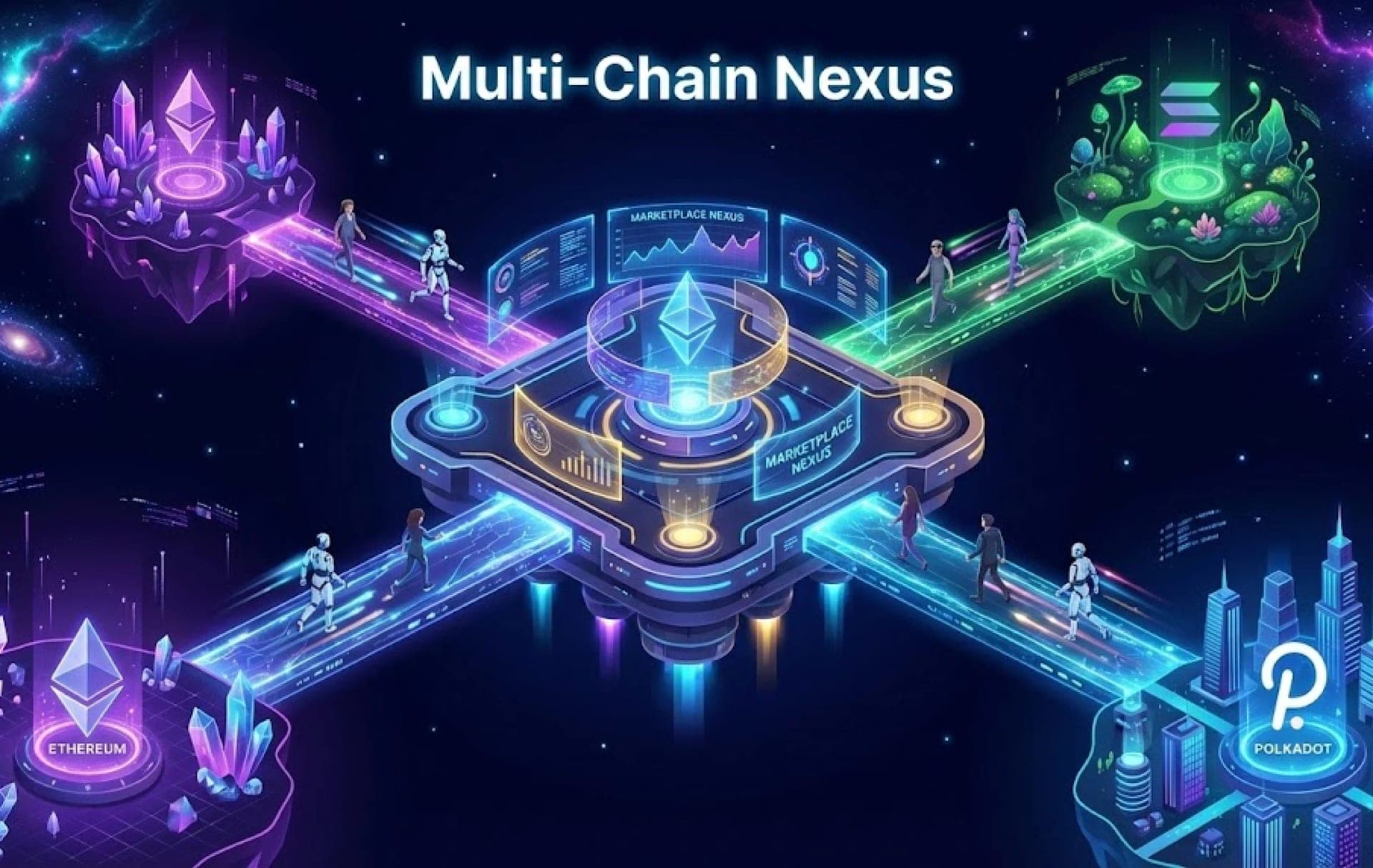
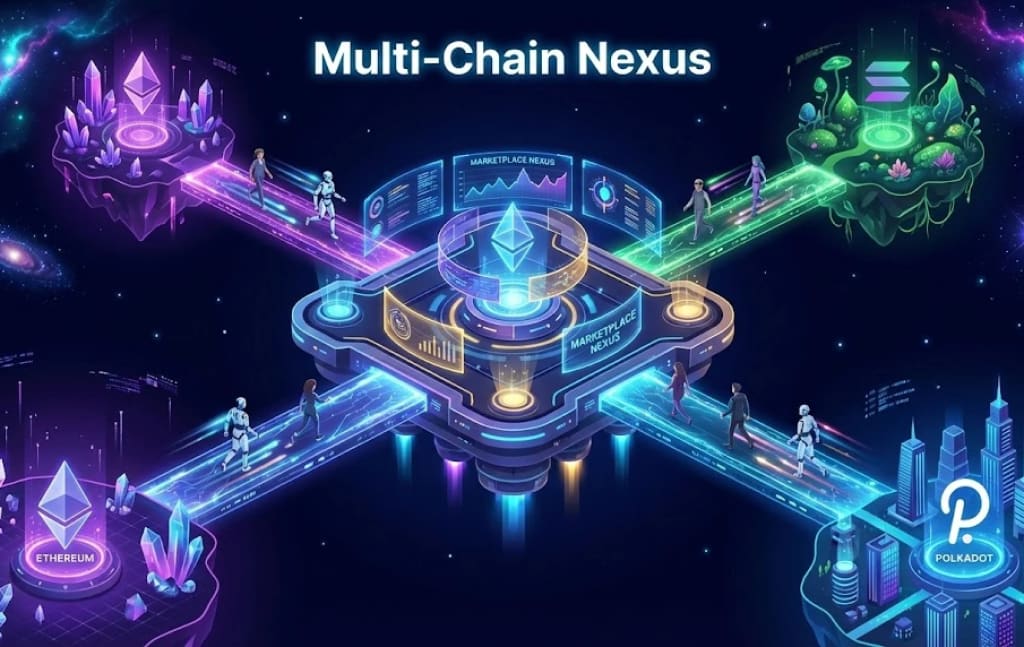
NFT Marketplace Development Companies Are Moving Toward Multi-Chain by Default
Today’s marketplaces cannot survive on a single chain. Users mint on Ethereum, trade on Polygon, game on Immutable and collect on Avalanche which is why modern nft marketplace development companies design multi-chain architecture from day one.
This shift enables:
- lower gas fees
- access to wider creator ecosystems
- multi-chain minting and unified user profiles
- cross-market liquidity and listings
If your marketplace hasn’t planned for a multi-chain future, it’s already behind.
Connecting Creators, Traders, and Enterprises With a Unified Marketplace Experience
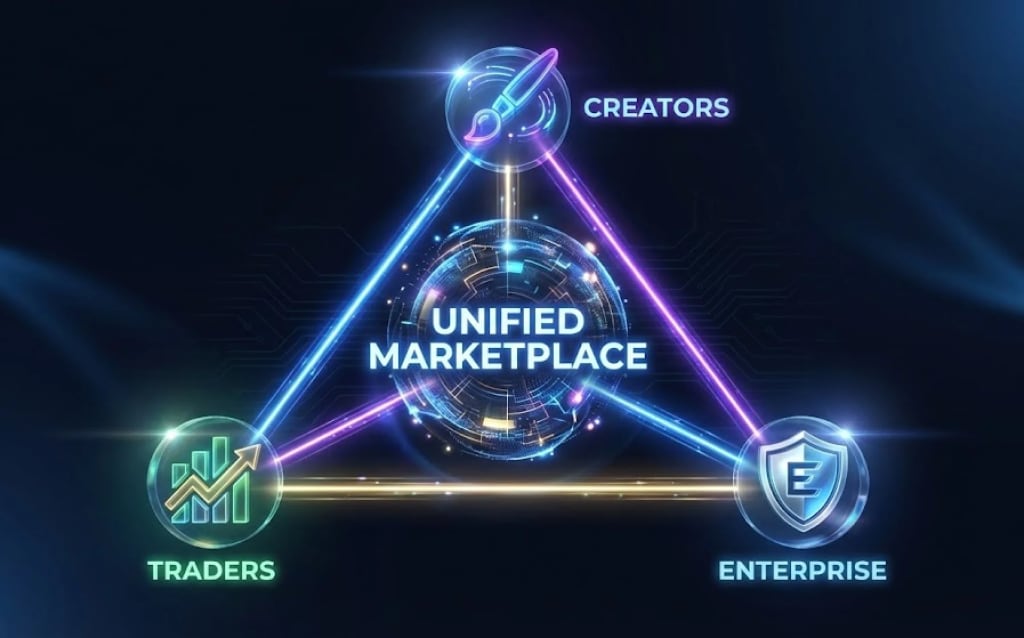
The best marketplaces today do one thing exceptionally well, they connect multiple user groups through a single, intuitive experience. Creators want simple minting tools. Traders want fast execution. Enterprises need security and compliance. A well-designed marketplace serves all three.
A unified system typically includes:
- creator minting dashboards
- trait rarity engines
- enterprise-level permission controls
- seamless secondary market tools
- analytics for collection owners
This is the difference between a marketplace and a thriving ecosystem.
FAQ: Modern NFT Marketplace Development
Q: How long does NFT marketplace development take?
A: Most marketplaces take 6–12 weeks depending on features, security needs, and integrations. White label solutions can launch faster.
Q: What impacts NFT marketplace development cost the most?
A: Smart contract complexity, multi-chain support, advanced features, and security requirements drive cost more than UI alone.
Q:Should we choose a white label NFT marketplace development solution?
A: If speed and predictable costs matter, yes. If you need highly customized mechanics or architecture, go fully custom.
Q: Do we need an NFT marketplace developer or a full team?
A: Solo developers are fine for prototypes. For production-grade platforms, a full-stack team (smart contract, backend, frontend, indexing, security) is essential.
Q: What security risks do NFT marketplaces face?
A: Metadata manipulation, signature drainers, admin abuse, marketplace loopholes, and frontend injection attacks are the most common threat zones.
Q: Which NFT marketplace development companies should we consider?
A: Choose teams with experience in multi-chain systems, metadata pipelines, and high-performance marketplaces, not just basic mint pages.
Conclusion
Modern NFT marketplace development goes far beyond minting and listing. Today’s marketplaces function as digital ownership engines, connecting creators, users, enterprises, and global ecosystems. The difference between a marketplace that scales and one that collapses lies in architecture, multi-chain capability, security, smart contract design, and continuous evolution.
Whether you’re building from scratch or launching a white label solution, treat your marketplace like the digital economy platform it is and not a side project.
Share with your community!