Loading blog post...


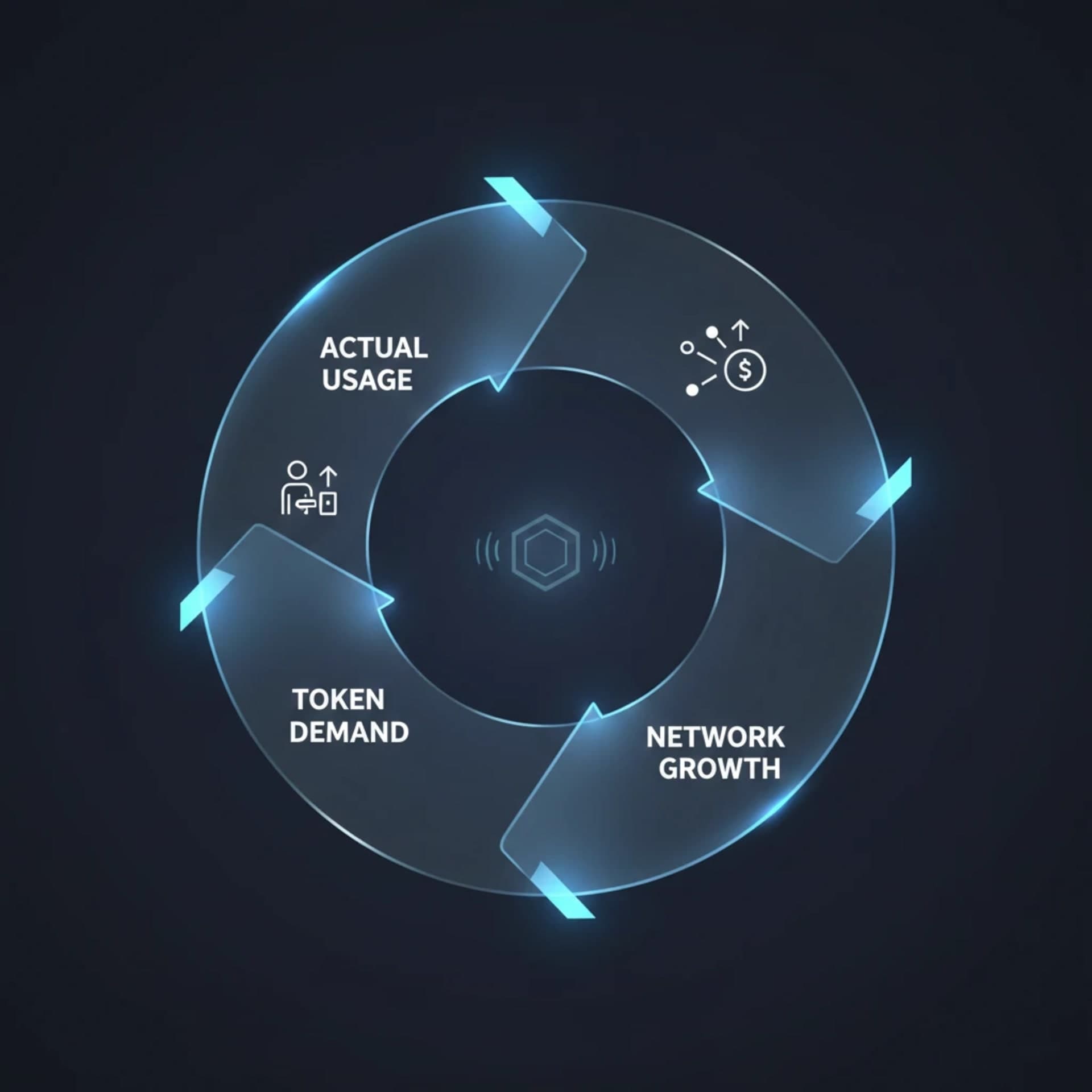
How Utility Tokens Power Real-World Blockchain Applications
Blockchain is no longer just an experiment, it’s a functional reality. But the true driver of this shift isn’t speculation; it’s the utility token. Far from being simple assets, utility tokens are the programmable keys that unlock coordination, automation, and transparency in modern decentralized applications. Explore how these tokens are reducing centralized dependencies and powering the next generation of enterprise-grade blockchain solutions.
Blockchain has matured beyond experimentation. Today, real world blockchain applications are being deployed across industries where efficiency, transparency, and automation matter. Yet behind many of these applications lies a misunderstood component: the utility token.
Utility tokens are often mistaken for speculative assets, but their true role is functional. They enable interaction, enforce rules, and coordinate behavior inside decentralized systems. Without them, many blockchain applications would quietly revert to centralized controls.
This article explains how utility tokens power real systems, why they matter for blockchain app development, and how they unlock sustainable, decentralized application design.
Why Utility Tokens Exist in Blockchain Technology Applications
At a fundamental level, blockchain removes centralized control. But removing control creates a new problem: coordination. Who gets access? Who pays for resources? Who prevents abuse?
This is where a utility token becomes essential.
In blockchain technology applications, utility tokens act as programmable permissions. They define who can use a feature, how often, and under what conditions without relying on a central authority.
Utility tokens solve three core coordination challenges:
- access control without user accounts
- economic incentives without intermediaries
- automation without manual enforcement
Without this layer, most decentralized systems would struggle to operate at scale.
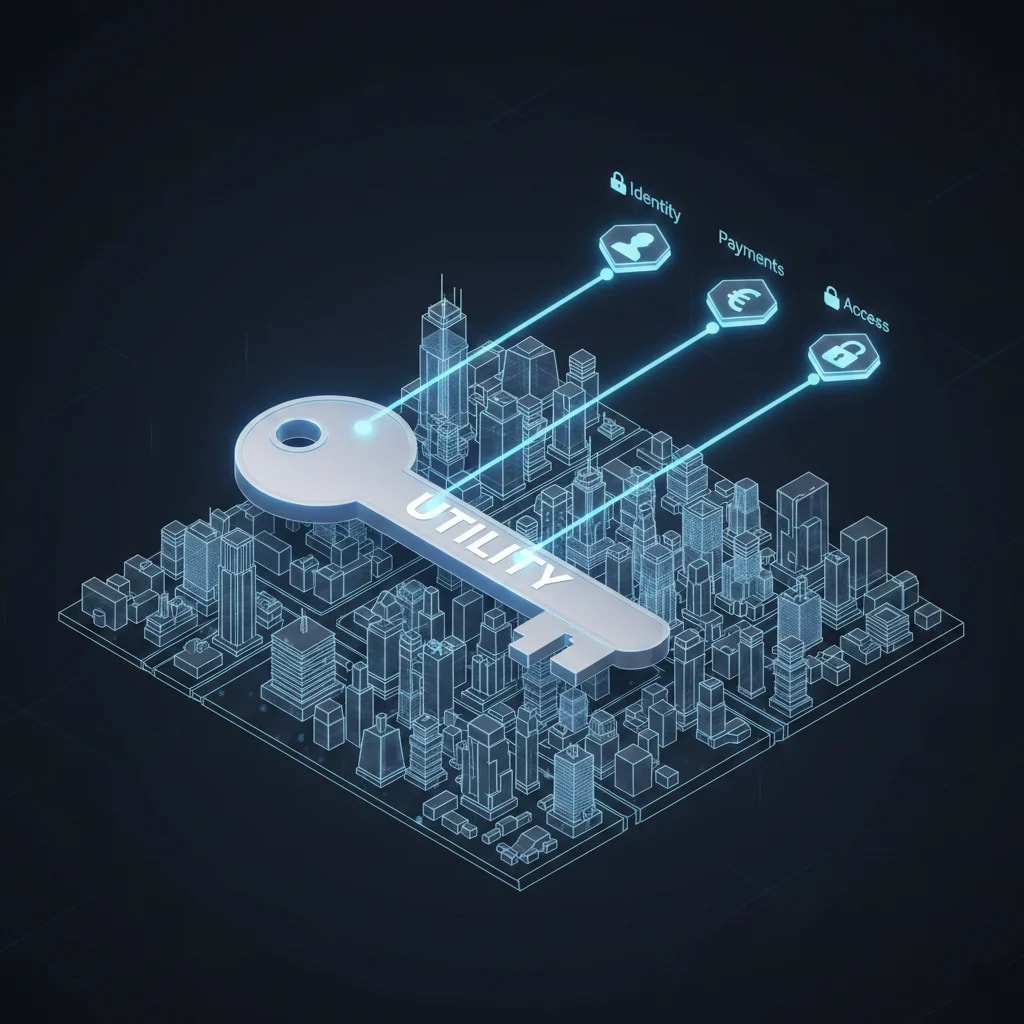
Utility Tokens as the Economic Layer in Blockchain App Development
Every application needs an economic model. Traditional apps rely on subscriptions, ads, or centralized payments. In blockchain app development, utility tokens replace these models with on-chain logic.
A utility token can be used to:
- pay for transactions or computation
- unlock premium features
- prioritize network resources
Here’s where pointers help clarify impact:
Utility-driven models enable:
- pay-per-use blockchain services
- decentralized billing systems
- automated revenue distribution
This is why blockchain app development services increasingly treat token design as part of core architecture—not a post-launch add-on.
For teams designing economic layers early, our blockchain consulting services help align tokens with real usage.
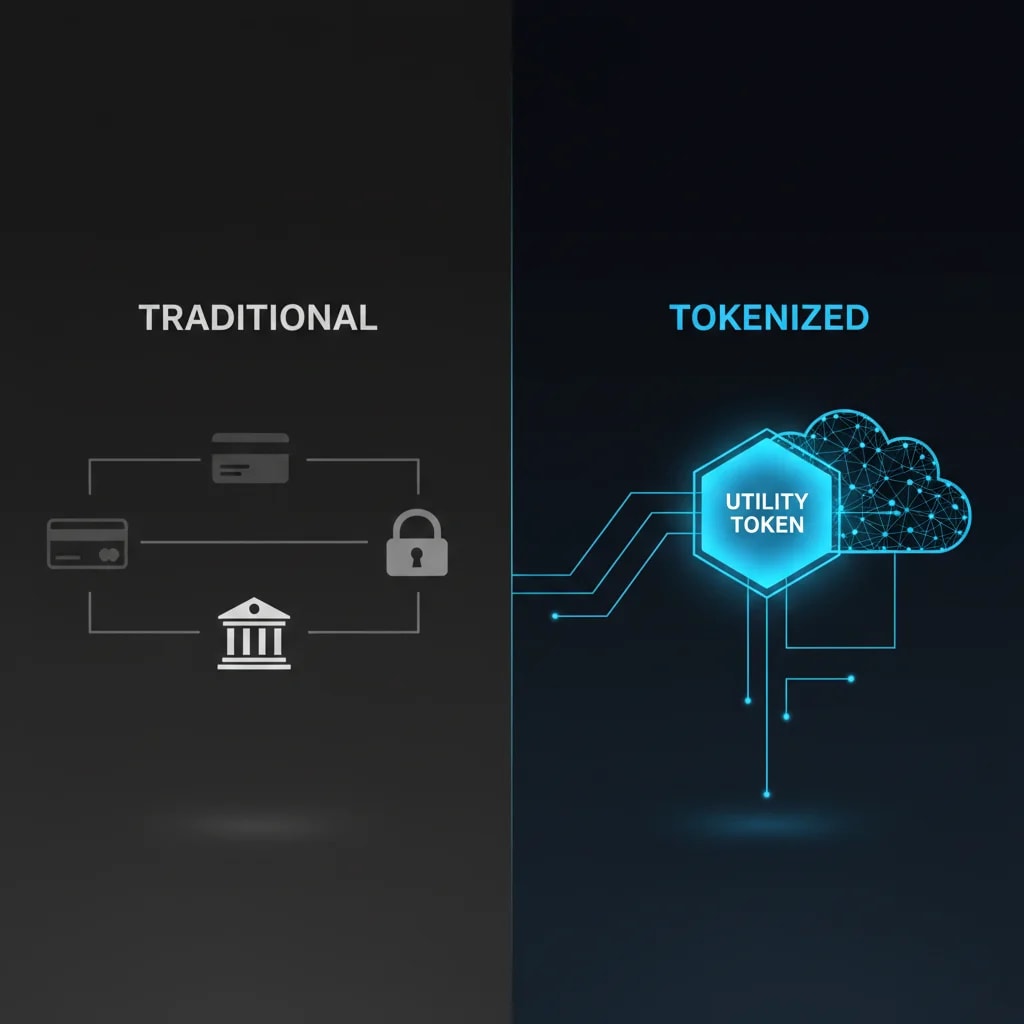
How Utility Tokens Power Decentralized Applications (dApps)
A decentralized application cannot rely on traditional authentication systems or centralized servers. Utility tokens replace these mechanisms with cryptographic proof.
In modern dApps, tokens are often used to:
- authenticate users
- throttle actions
- govern participation
This design allows dApps to remain permissionless while still protecting infrastructure from abuse. For a dApp development company, utility tokens become a tool for balancing openness and sustainability.
In practice, most scalable dApps rely on token-based logic to remain decentralized without becoming chaotic.
For teams building production-grade dApps, our custom dApp development services focus on token-aware architecture.
Real World Blockchain Applications Enabled by Utility Tokens
Utility tokens are increasingly being used outside purely crypto-native environments. Many real world blockchain applications depend on tokens to enforce access and accountability.
Examples include:
- supply chain platforms where tokens verify participation
- digital identity systems where tokens gate credentials
- data-sharing platforms using tokens for controlled access
In these cases, the utility token is not an investment, it is a functional key. This distinction is critical for enterprises adopting blockchain application development.
Utility Tokens Reduce Centralized Dependencies in Blockchain Apps
One of blockchain’s promises is decentralization, but many applications quietly reintroduce central control through APIs, admin panels, or manual approvals.
Utility tokens help eliminate these dependencies.
By embedding rules directly into token logic:
- approvals become automatic
- access becomes verifiable
- enforcement becomes transparent
This allows blockchain applications to scale without creating hidden points of failure.
For a blockchain app development company, this is the difference between true decentralization and decentralization in name only.
Designing Sustainable Utility Tokens for Long-Term Use
Poorly designed utility tokens often fail not because the idea was wrong, but because incentives were misaligned.
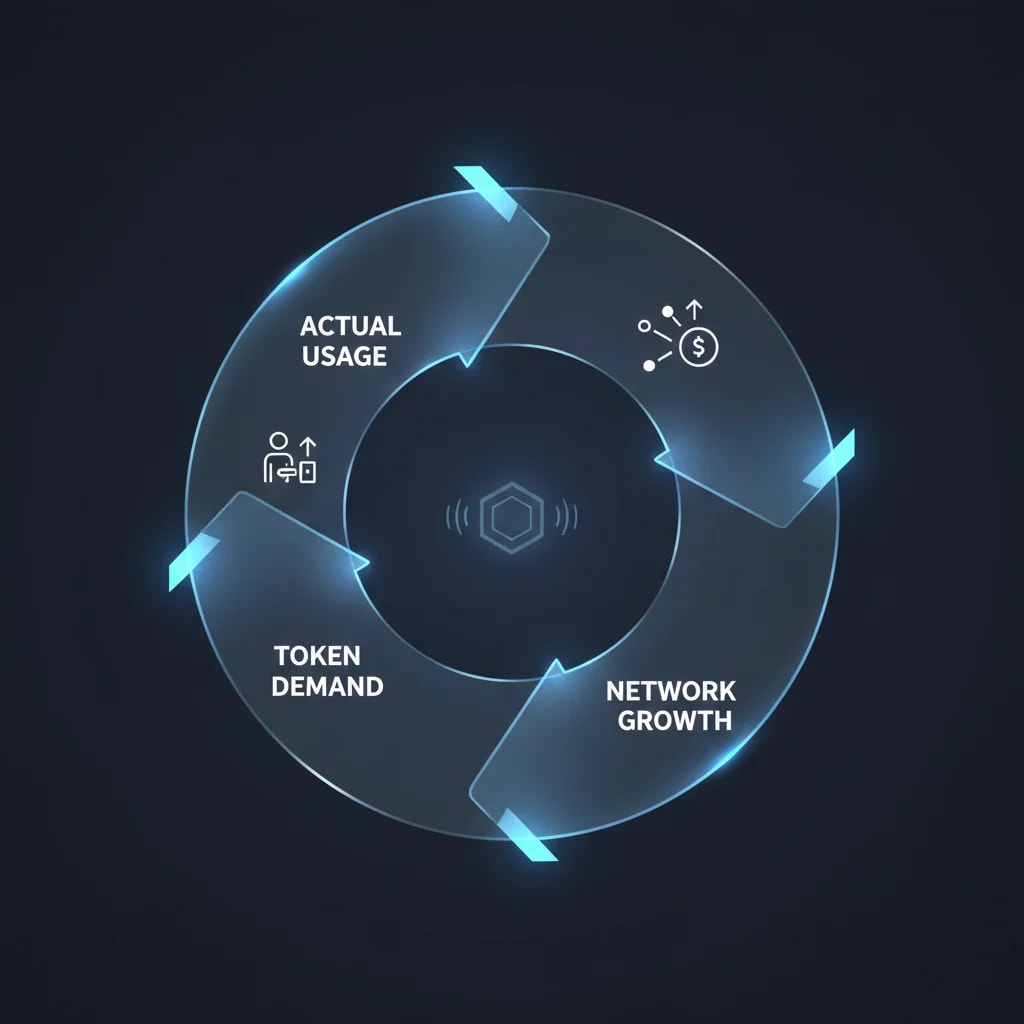
Sustainable utility tokens must balance:
- supply mechanics
- actual usage demand
- long-term ecosystem health
Here, pointers clarify what matters most:
Strong utility token design includes:
- clear functional demand
- predictable usage costs
- alignment with user behavior
Without these elements, tokens become speculative distractions instead of infrastructure components.
Our token design services help structure sustainable utility ecosystems. Reach out to discuss your project.
The Role of Blockchain App Development Companies in Utility Token Architecture
Utility token design requires cross-disciplinary thinking. It’s not just about code, it’s about economics, UX and governance.
A skilled blockchain app development company evaluates:
- how tokens interact with application features
- how users acquire and spend tokens
- how tokens affect system scalability
This systems-level approach is what separates functional products from failed experiments.
Utility Tokens vs Speculative Tokens in Blockchain Applications
Speculation attracts attention, but usage creates value.
In blockchain applications, speculative tokens often spike early and fade quickly. Utility tokens grow with adoption because their demand is tied to function.
The difference is subtle but critical:
- speculative tokens rely on market sentiment
- utility tokens rely on application usage
This is why the most resilient real world blockchain applications focus on utility first and price second.
FAQ: Utility Tokens and Blockchain Applications
Q: What is a utility token used for?
A: To access features, services, or actions within a blockchain application.
Q: Are utility tokens necessary for all blockchain apps?
A: No, but they are essential for many decentralized systems.
Q: Can utility tokens work in non-crypto industries?
A: Yes, especially in supply chain, identity, and data platforms.
Q: Who should design a utility token?
A: An experienced blockchain app development company with system-level expertise.
Q: Do utility tokens always increase token value?
A: Value depends on actual usage, not speculation.
Conclusion
Utility tokens are the invisible engine behind many successful decentralized systems. They coordinate users, automate access, and enable real functionality across blockchain applications.
As blockchain app development continues to evolve, the focus is shifting away from hype-driven tokens toward utility-driven infrastructure. The most impactful real world blockchain applications are emerging where token design is treated as product architecture, not marketing, an approach teams like EthElite quietly emphasize when building production systems.
In the next phase of blockchain adoption, usefulness, not noise, will determine which platforms endure.
Share with your community!