Loading blog post...


How to Build a DAO That Scales Governance Without Chaos
Decentralization promised shared ownership, but growth often brings governance chaos. This guide explores how to design a "DAO operating system" that scales trust and execution. By separating discussion from execution and aligning authority with responsibility, organizations can move beyond governance theater into high-performance coordination.
Decentralization promised shared ownership, community-led decision-making, and transparent coordination. What many teams didn’t anticipate was how quickly governance can spiral into inefficiency once participation scales. Most failures don’t come from bad intentions, they come from poorly designed systems that cannot handle growth.
Understanding DAO meaning in practice is critical here. A DAO isn’t just a voting mechanism. It’s an operating system for decentralized coordination. When built correctly, decentralized autonomous organizations scale trust and execution. When built poorly, they drown in proposal spam, voter apathy, governance attacks, and endless debates.
This guide explains how to design a DAO that grows without collapsing under its own governance weight.

Start With DAO Meaning: Governance Is a System, Not a Vote
Before tooling or token mechanics, teams must align on DAO meaning beyond the surface definition. A DAO is not simply “the community votes on things.” At its core, the DAO exists to coordinate decision-making without relying on centralized authority while still enabling fast, reliable execution.
That requires clarity around:
- what decisions need collective input
- what decisions should remain automated
- what authority can be delegated
- what actions must be irreversible
If every decision goes to a vote, governance grinds to a halt. Scalability begins with intentional boundaries.
For teams at the concept stage, our blockchain consulting services can help define governance scope early. Connect today for a free consultation.
Design DAO Governance Around Responsibility, Not Popularity
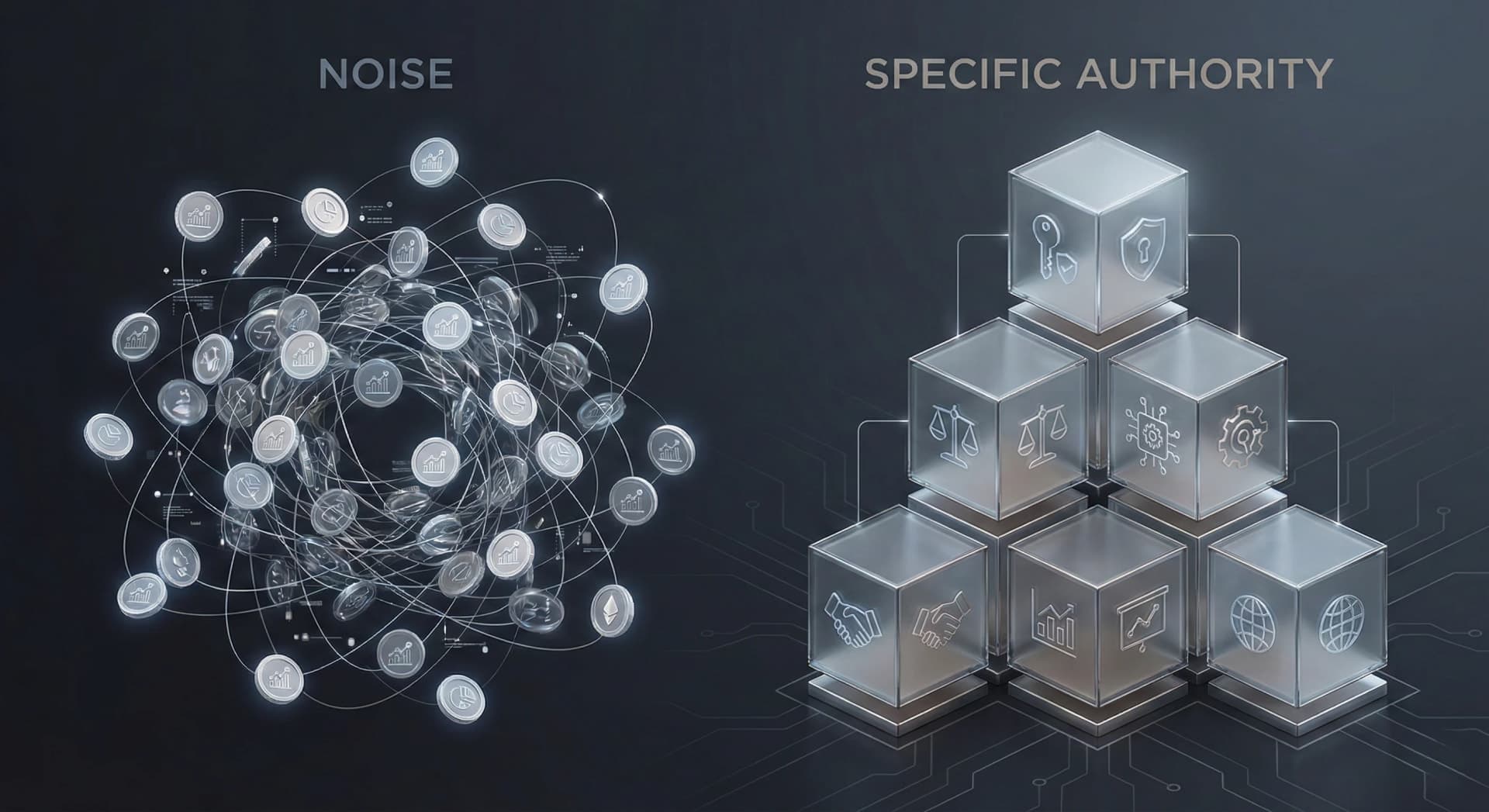
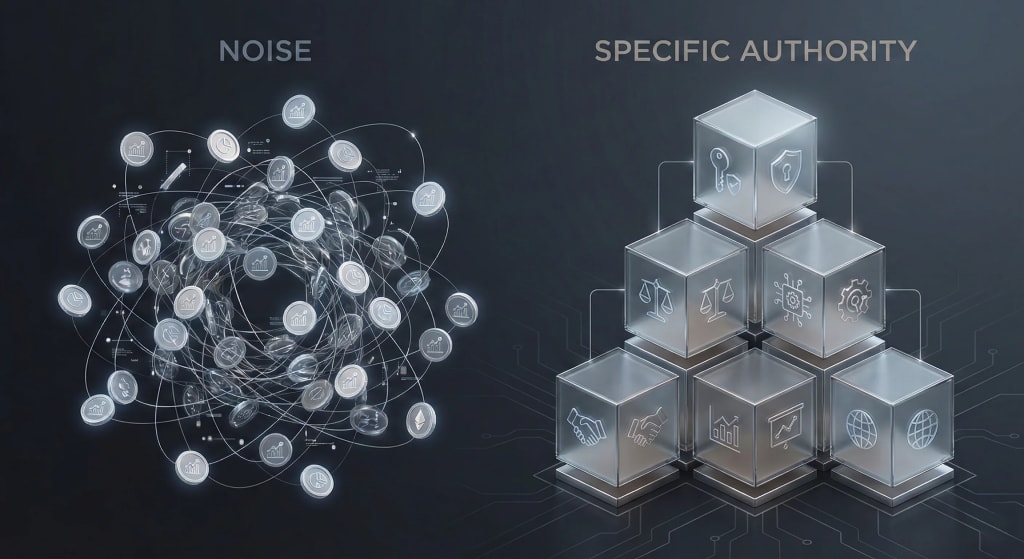
One of the biggest governance failures comes from treating voting power as popularity rather than responsibility. Effective DAO governance aligns influence with accountability.
Instead of equal voting on everything, scalable DAOs assign authority based on contribution, expertise, or role. This minimizes noise and focuses decisions where they matter.
Well-designed governance systems use:
- domain-specific voting
- role-based authority
- contributor-weighted influence
- proposal filters to reduce spam
This structure keeps participation meaningful instead of performative.
Choose DAO Governance Models That Match Decision Velocity
Not all decisions move at the same speed. That’s why selecting the right DAO governance models is critical to scaling without chaos. High-stakes decisions require deliberation; operational decisions require speed.
Common governance layers include:
- token-weighted voting for major protocol changes
- multisig execution for urgent actions
- delegated councils for specialized areas
- time-locked decisions to reduce risk
Different DAO governance models work best when used together, not in isolation.
Limit Proposal Scope to Prevent Governance Overload
Governance chaos often comes from too many low-impact proposals. As communities grow, proposal management becomes more important than proposal creation.
Scalable DAOs introduce:
- proposal thresholds
- scoped proposal templates
- staged approvals
- off-chain signaling before on-chain execution
This ensures governance energy is spent on decisions that actually affect the system.
Separate Discussion From Execution in Decentralized Autonomous Organizations
One common mistake across decentralized autonomous organizations is blending discussion and execution into one step. This slows everything down and amplifies conflict.
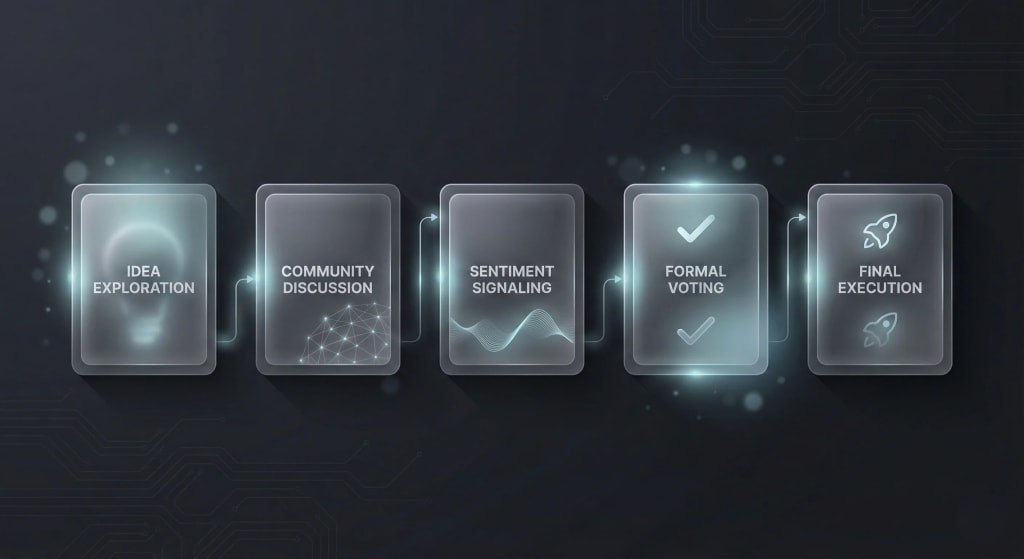
High-performing DAOs separate:
- idea exploration
- community discussion
- sentiment signaling
- formal voting
- execution
This layered approach reduces emotional voting and improves decision quality.
When discussion happens off-chain and execution happens on-chain, governance becomes clearer and faster.
Protect DAO Governance Against Capture and Apathy
Two forces destroy DAOs at scale: governance capture and voter apathy. Both are structural problems, not cultural ones.
Effective DAO governance systems counter these risks by:
- limiting voting power concentration
- using quorum and participation incentives
- delegating votes to active contributors
- rotating councils and committees
The goal isn’t maximum participation but effective participation.
Make the DAO Operable Even When Governance Is Idle
A scalable DAO doesn’t pause when governance is quiet. Automated execution, predefined rules, and delegated authority keep systems running smoothly between votes.
Automation ensures:
- protocol parameters remain within safe bounds
- routine actions execute without votes
- governance focuses only on exceptions and strategy
This is how DAO scales, by reducing how often humans need to intervene.
FAQ: DAO Governance at Scale
Q: What is DAO meaning in simple terms?
A: A DAO is a system that coordinates collective decision-making without centralized control, using code and transparent rules.
Q: Why do DAOs struggle as they scale?
A: Because early governance systems aren’t designed for large participation, leading to noise, slow decisions, and voter fatigue.
Q: Are DAO governance models interchangeable?
A: No. Different decisions require different governance speeds and structures.
Q: Should every decision go to a vote?
A: No. High-functioning DAOs delegate operational decisions and reserve voting for strategic changes.
Q: How can DAO governance remain secure?
A: By limiting power concentration, using layered governance, and designing safeguards against capture.
Conclusion
DAOs don’t fail because decentralization is flawed. They fail because governance isn’t engineered to scale. When decentralized autonomous organizations align authority with responsibility, separate discussion from execution, combine governance models intelligently, and automate wherever possible, chaos disappears.
A scalable DAO isn’t louder or more democratic. It’s just clearer, faster, and intentionally designed. EthElite works with teams at this layer, designing governance frameworks, smart contracts and execution flows that scale with participation instead of breaking under it.
This is the difference between governance theater and governance that actually works, a distinction serious teams now design for from day one.
Share with your community!