Loading blog post...


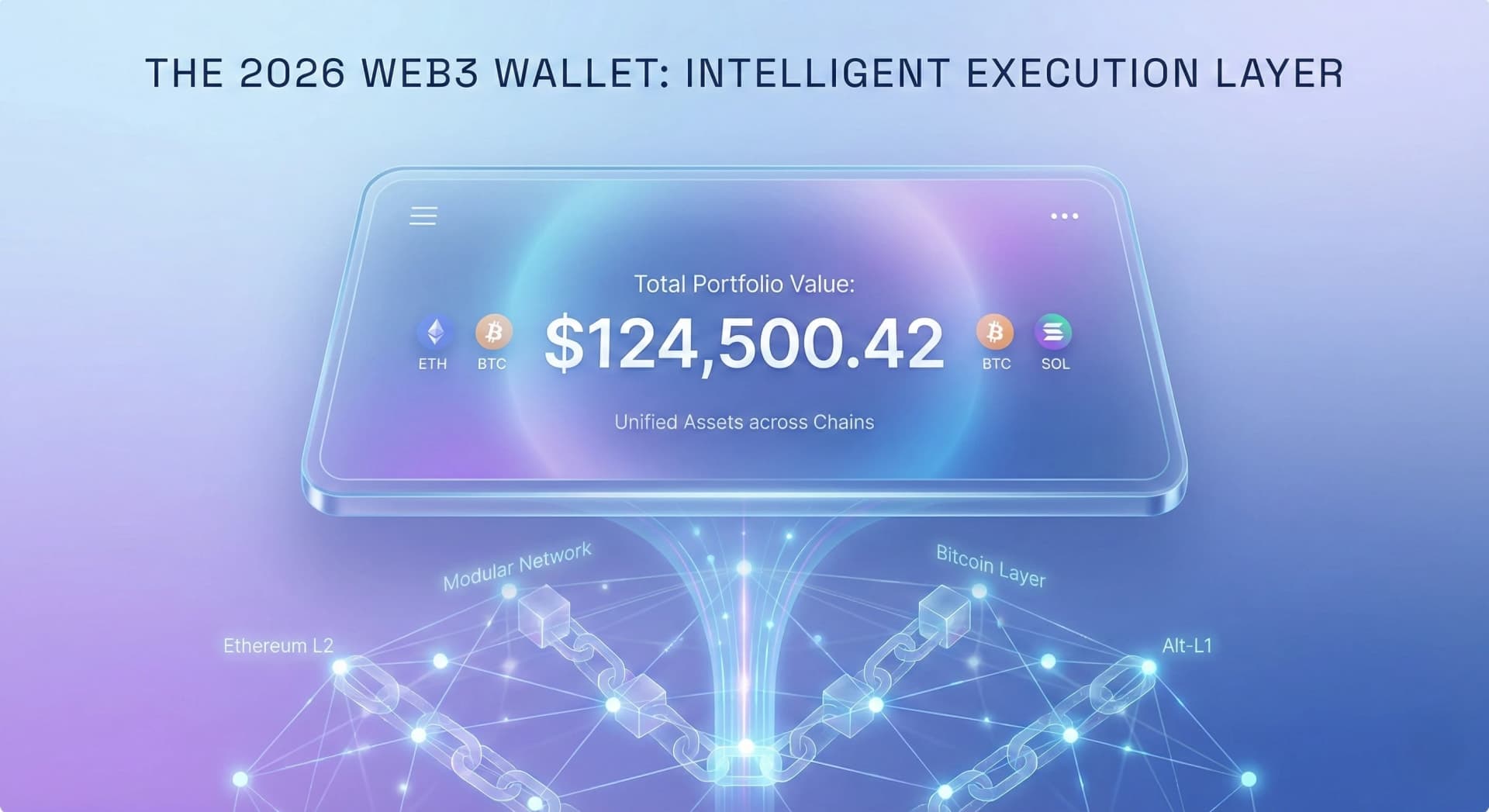
Crypto Wallet Features Every Modern Web3 User Expects in 2026
In 2026, the crypto wallet has evolved from a passive storage tool into an intelligent execution engine. Modern users no longer "learn" complexity; they expect a seamless, fintech-like experience where security is invisible and multi-chain navigation is automatic. This guide explores the core features from MPC-based recovery to smart gas automation that define the next generation of Web3 interfaces. See how EthElite is architecting the future of on-chain identity and transaction flow.
The crypto ecosystem in 2026 no longer rewards complexity. Users expect instant onboarding, invisible security, intelligent automation and easy multi-chain access within a wallet experience that feels closer to modern fintech than early Web3 tools.
A crypto wallet in 2026 isn’t just a place to hold assets. It’s the user’s execution layer for identity, transactions, dApps, NFTs, tokens, and cross-chain navigation. If a wallet introduces friction, users don’t “learn” it, they leave.
This guide breaks down the must-have crypto wallet features modern Web3 users expect in 2026, based on how real users interact with decentralized applications today.
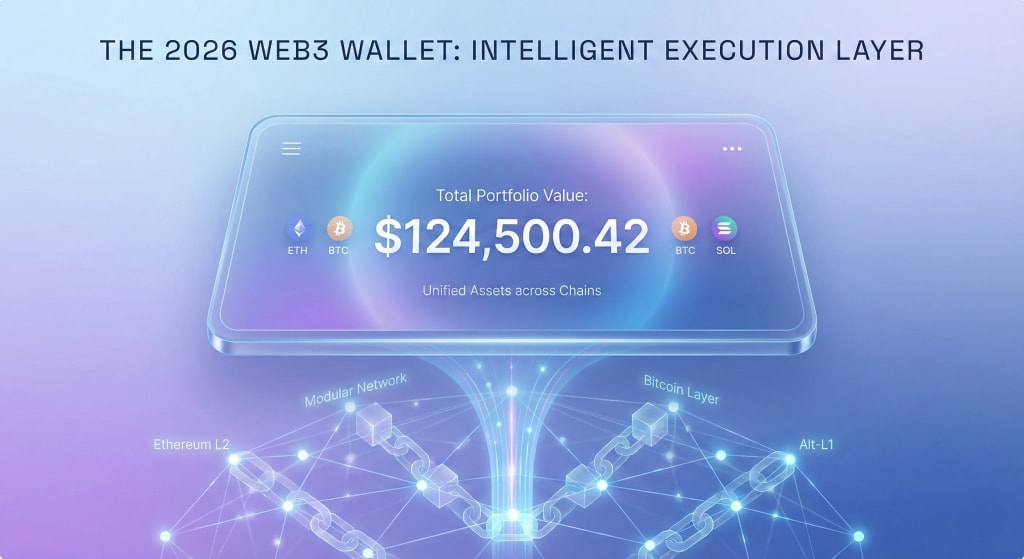
Unified Multi-Chain Experience: A Core Expectation for Any Crypto Wallet App
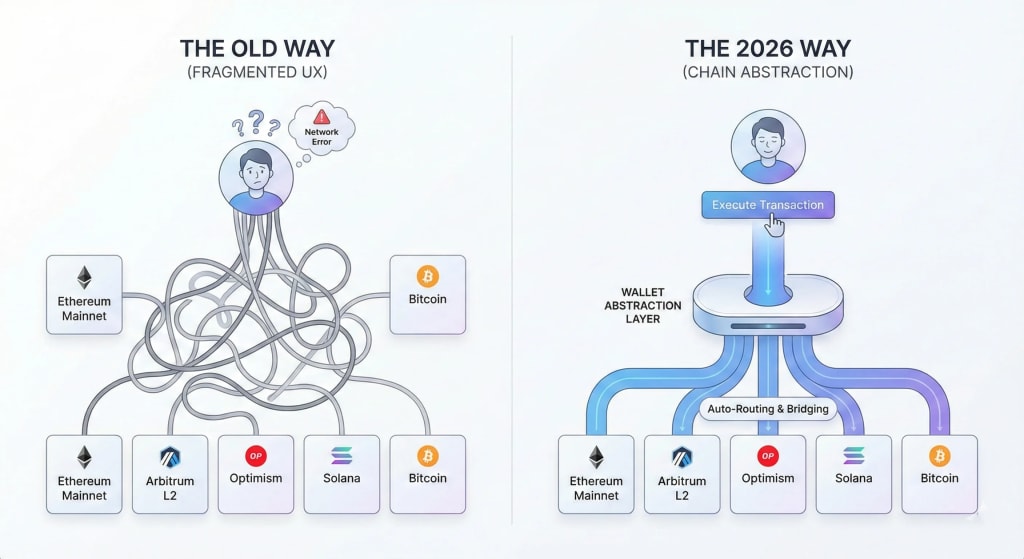
Manual network switching is obsolete. In 2026, users expect a multi-chain crypto wallet app that works across Ethereum, Layer 2s, sidechains, app-chains, Bitcoin layers and modular networks without cognitive overhead.
Modern wallets are expected to deliver:
- automatic chain detection and routing
- unified asset visibility across chains
- native cross-chain bridging
- address abstraction that removes network complexity
Most wallets still claim “multi-chain” while exposing fragmented UX underneath. Users can tell the difference immediately.
Teams building chain-abstracted wallet flows increasingly rely on our custom dApp development and wallet architecture design to get this right, not surface-level integrations.
Next-Gen Security: Why Non-Custodial Wallet Design Must Feel Effortless
Security is no longer a feature, it’s the baseline. Users want the control of a non-custodial crypto wallet without the stress of key mismanagement or irreversible mistakes.
In 2026, expected security layers include:
- MPC-based key management or social recovery
- session keys with scoped permissions
- real-time transaction risk analysis
- hardware-grade encryption on mobile devices
- clear, permissioned signing boundaries
The best wallets make strong security feel invisible. When protection feels heavy or confusing, trust breaks instantly.
This is where wallet security audits and threat-modeled architecture matter more than feature count, something many wallets still underestimate.
If you’re building a secure wallet architecture, you may want to consult our experts handling Web3 security first.
Mobile-First UX: Why the Best Crypto Wallets Are Designed for Phones First
Web3 is now mobile-native. DeFi, NFT trading, gaming economies, and on-chain identity all happen on smartphones.
A competitive mobile crypto wallet in 2026 must support:
- biometric authentication with near-zero latency
- offline transaction signing
- real-time push-based security alerts
- optimized in-wallet dApp experiences
- accurate, fast transaction previews
For most users, the “best crypto wallet app” is simply the one that feels fastest and most predictable on mobile.
Smart Automation: What Users Expect From a Modern Cryptocurrency Wallet App
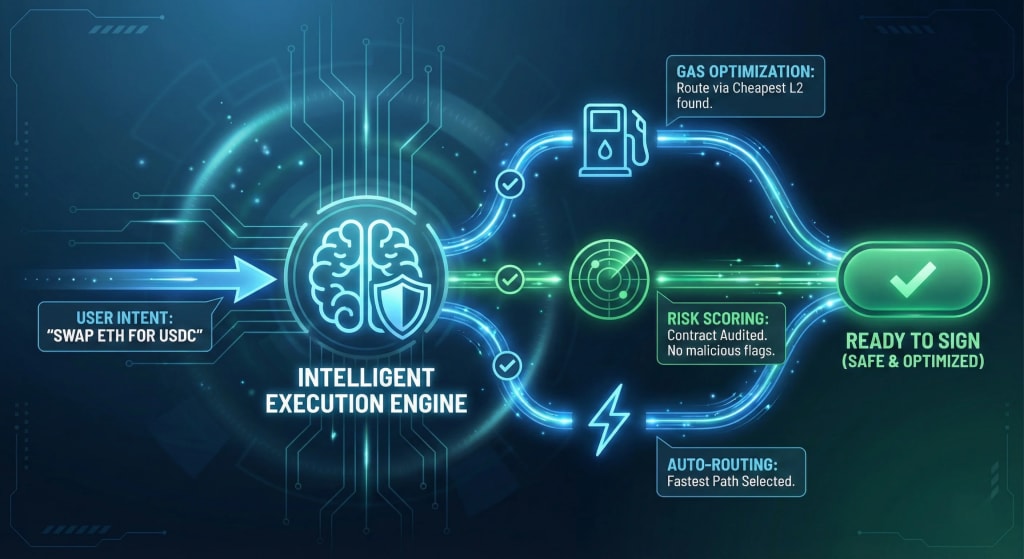
A cryptocurrency wallet app is no longer passive. Users expect wallets to actively reduce mistakes, costs, and decision fatigue.
Smart automation now includes:
- gas fee optimization across chains
- automatic routing to cheaper or faster networks
- transaction risk scoring before signing
- auto-approval for low-risk, trusted dApps
- wallet-level spending and exposure limits
Wallets that automate intelligently don’t just improve UX, they build long-term user loyalty. This is where most wallets either win permanently or get abandoned.
Advanced Privacy Controls in Every Modern Crypto Mobile Wallet
Privacy is no longer optional. In 2026, users expect granular privacy control inside their crypto mobile wallet, not blanket anonymity or full exposure.
Standard privacy features now include:
- selective address and balance visibility
- hidden or decoy portfolio modes
- stealth or shielded transactions where supported
- per-dApp permission management
- metadata-minimized browsing and signing
Wallets that let users control how they appear on-chain earn significantly more trust than those that treat privacy as a toggle.
Deep dApp Integration: Beyond Traditional Trust Wallet-Style UX
Many users still reference Trust Wallet as a usability benchmark but expectations have moved far beyond basic dApp shortcuts.
In 2026, deep dApp integration means:
- intent-based execution (“swap”, “stake”, “bridge”)
- intelligent liquidity and route recommendations
- one-tap staking, restaking, and claiming
- aggregated NFT and asset dashboards
- native support for cross-chain dApps
The wallet is no longer a browser. It’s an execution engine for Web3 actions.
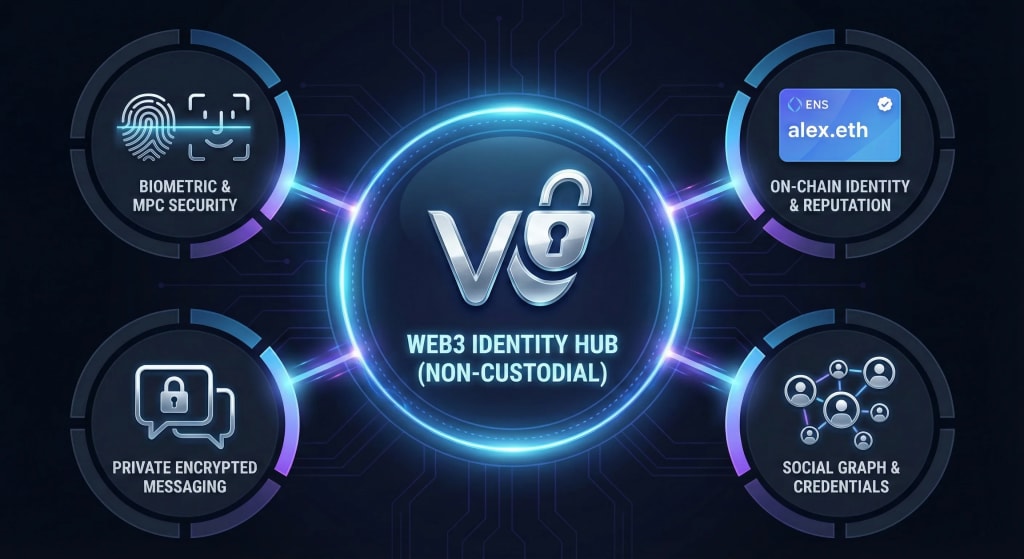
Integrated Identity, Tokenization & Social Layers Inside Crypto Wallets
The wallet has become the user’s Web3 identity hub. Modern users expect their wallet to manage more than assets.
By default, wallets in 2026 support:
- tokenized or verifiable identity credentials
- ENS-style human-readable naming
- on-chain reputation or activity badges
- private messaging linked to wallet identity
- embedded social graphs
Wallets that unify identity, assets, and social context dramatically outperform those that treat identity as an add-on.
FAQ: Crypto Wallet Apps in 2026
Q: What defines a modern crypto wallet in 2026?
A: Multi-chain abstraction, non-custodial security, mobile-first UX, automation, privacy controls, and native dApp execution.
Q: Is a non-custodial wallet still risky for users?
A: Not anymore. MPC, recovery flows and intelligent safeguards have reduced user error significantly.
Q: Why is automation critical in cryptocurrency wallet apps?
A: It reduces failed transactions, lowers gas costs, prevents scams, and improves overall success rates.
Q: Do Trust Wallet-style designs still matter?
A: They set early UX expectations, but modern users demand deeper, smarter, and more proactive wallet behavior.
Conclusion
The crypto wallet of 2026 is not a storage tool. It’s a secure, mobile-native, intelligent execution layer that defines how users experience Web3 itself.
Wallets that fail to combine multi-chain abstraction, invisible security, automation, privacy and identity will lose users instantly and not gradually.
This shift is already influencing how serious teams design wallet UX, infrastructure and security from day one. At EthElite, these expectations shape how modern Web3 products are architected, audited and scaled because wallets are no longer just part of the ecosystem. They are the ecosystem.
Share with your community!