Loading blog post...


7 Proven Ways Blockchain for Startups Creates Real Competitive Advantage
Blockchain is no longer just an experimental edge case for tech enthusiasts. For modern founders, it has become a practical tool for building trust, automating complex coordination, and competing with larger incumbents using leaner teams. From tokenization to decentralized data ownership, discover the seven structural advantages that allow blockchain-native startups to outpace traditional models and scale globally from day one.
For startups, blockchain is no longer an experimental edge case. It has become a practical tool for building trust, automating coordination, and competing with larger incumbents using smaller teams. From crypto startups to SaaS companies exploring Web3, founders are increasingly asking not whether to use blockchain, but where it genuinely creates leverage.
The most successful startups using blockchain technology don’t adopt it for buzzwords. They use it to solve structural problems that traditional systems struggle with ownership, transparency, coordination, and incentives.
This guide breaks down seven proven ways startups can leverage blockchain, based on patterns seen across best blockchain startups and fast-scaling Web3 startups.

1. Using Blockchain to Build Trust Early in Crypto and Web3 Startups
Trust is the hardest thing for a startup to earn. Blockchain helps compress that timeline by replacing promises with verifiable systems.
For crypto startups, transparency is not optional. Users expect to verify logic, supply, and rules themselves.
Blockchain enables:
- public verification of transactions
- transparent asset issuance
- auditable system behavior
This is why many best Web3 startups gain credibility faster than traditional startups despite being newer. Their systems are open by default.
For teams designing trust-first systems, our blockchain consulting services help align architecture with credibility goals. Get in touch today for a free consultation.
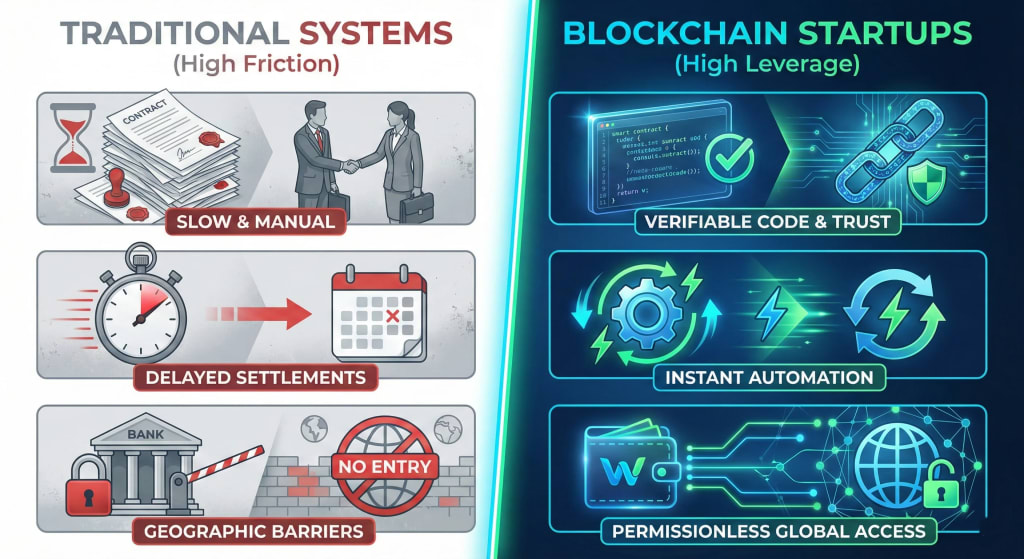
2. Automating Core Operations With Blockchain for Startups
Startups move fast, but manual processes slow them down quickly. Blockchain allows early automation of processes that would otherwise require staff, approvals, or intermediaries.
Common startup workflows automated via blockchain include:
- revenue distribution
- partner settlements
- licensing and access control
- milestone-based payments
For startups using blockchain technology, automation is not about replacing humans, it’s about preventing operational drag as the business scales.
This approach is increasingly common among best blockchain startups that aim to stay lean without sacrificing control.
3. Tokenization as a Growth Tool for Cryptocurrency Startups
Tokenization is often misunderstood as fundraising alone. In reality, tokens are coordination tools.
For cryptocurrency startups, tokens can align users, contributors, and early supporters around shared incentives. When designed responsibly, tokens drive participation instead of speculation.
Tokens are often used to:
- reward early adopters
- incentivize network contributions
- govern shared infrastructure
Here, pointers help clarify intent:
Successful token strategies focus on:
- long-term utility
- gradual distribution
- clear economic purpose
For teams planning responsible token launches, our token design and launch services focus on sustainability over hype.
4. Lowering Entry Barriers for Global Users Through Web3 Infrastructure
Traditional startups often struggle with global onboarding—banking, payments, compliance, and access vary widely by region.
Blockchain for startups offers a way around these constraints by enabling permissionless participation. Users can interact using wallets instead of accounts, and value can move without geographic friction.
This is why many web3 startups scale globally faster than Web2 companies with similar resources.
Key benefits include:
- faster international onboarding
- reduced dependency on local intermediaries
- consistent access rules worldwide
For founders building global-first products, our Web3 infrastructure services help design scalable access models.
5. Creating Network Effects Earlier Than Traditional Startups
Network effects usually take years to emerge. Blockchain allows startups to trigger them earlier by embedding incentives directly into the product.
Many best blockchain startups reward participation itself: usage, contribution, or governance rather than relying solely on marketing.
Blockchain enables:
- on-chain reputation systems
- contribution-based rewards
- shared upside for early users
This transforms users into stakeholders, accelerating organic growth.
6. Data Ownership as a Differentiator for Startups Using Blockchain Technology
Modern users are increasingly aware of data exploitation. Startups that offer transparent data ownership gain an immediate ethical and competitive edge.
Blockchain allows startups to:
- give users control over their data
- create verifiable data access rules
- prevent silent data manipulation
This approach is gaining traction among web3 startups building identity, creator, and social platforms.
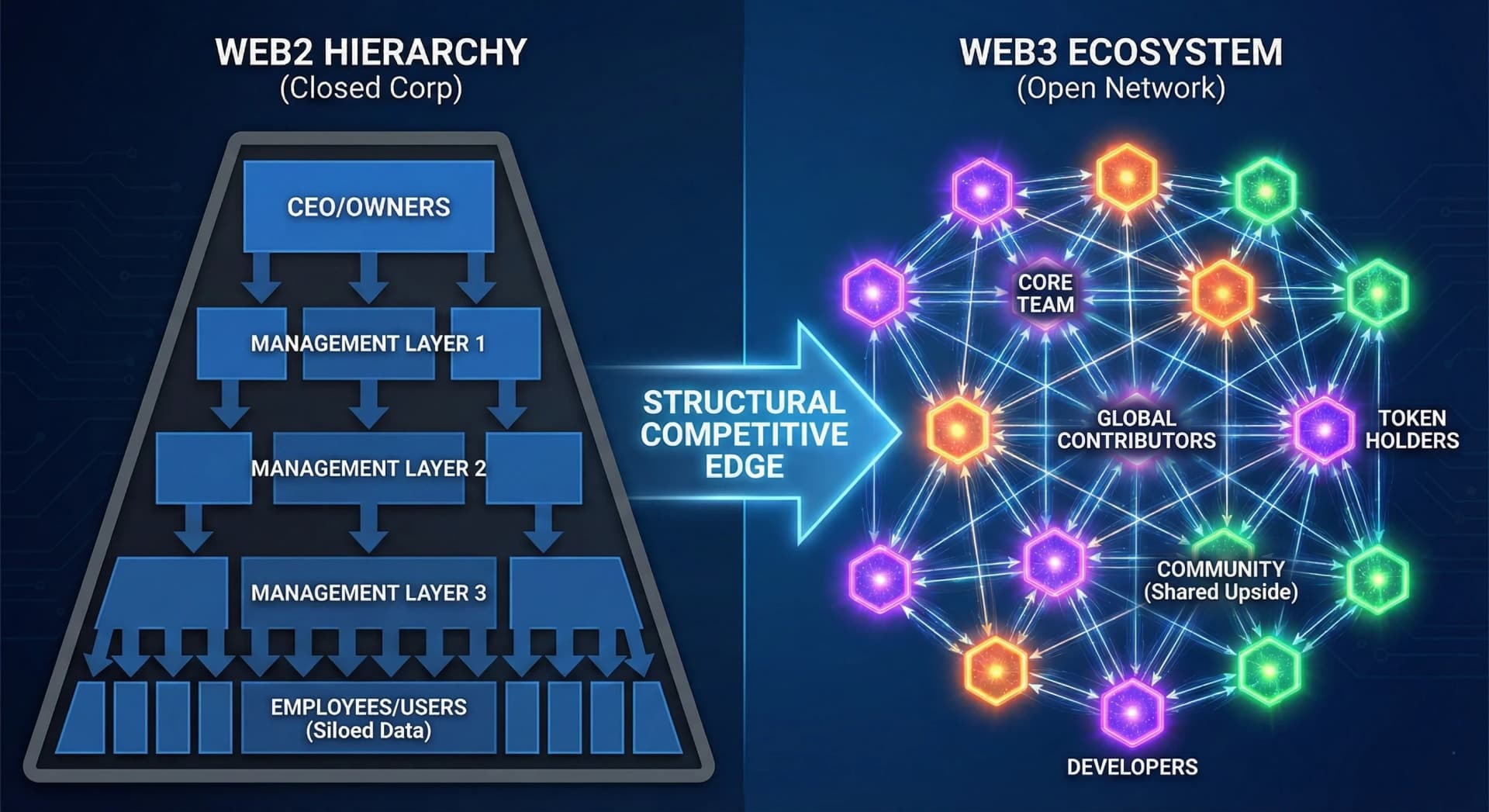
7. Competing With Larger Companies Through Decentralized Models
Startups traditionally lose to incumbents due to scale and resources. Blockchain flips that equation by enabling decentralized collaboration.
Some best Web3 startups operate as ecosystems rather than companies, leveraging contributors instead of employees and communities instead of customers.
Decentralized models allow startups to:
- scale without proportional hiring
- tap global talent pools
- share ownership instead of hoarding it
This structural advantage is why blockchain-native startups can compete far above their weight.
FAQ: Blockchain for Startups
Q: Is blockchain suitable for all startups?
A: No. It works best where trust, coordination, or ownership are core challenges.
Q: Do startups need a token to use blockchain?
A: No. Many successful startups use blockchain without tokens.
Q: Is blockchain expensive for early-stage startups?
A: Not if scoped properly and integrated gradually.
Q: Are Web3 startups harder to scale?
A: Technically complex, yes—but structurally powerful.
Q: Can blockchain help non-crypto startups?
A: Yes. Many startups adopt blockchain internally before going public.
Conclusion
Blockchain is not a shortcut to success, but for startups it is a powerful multiplier when applied thoughtfully. The best blockchain startups don’t chase trends. They use blockchain to reduce friction, align incentives, and build trust faster than traditional models allow.
Whether you’re building crypto startups, cryptocurrency startups, or emerging Web3 startups, the opportunity lies in applying blockchain where it removes real constraints, not where it looks impressive. That’s the approach EthElite takes, working with founders to design blockchain architectures that strengthen the business model instead of complicating it.
Used wisely, blockchain doesn’t just support startup growth. It reshapes how startups compete.
Share with your community!