Loading blog post...


6 Reasons Real-World Assets Are Moving to Blockchain
The narrative around blockchain has shifted from pure speculation to tangible utility. Today, the momentum is behind Real-World Assets (RWAs) - the digital transformation of real estate, commodities, and private equity. But why is this happening now? From unlocking global liquidity through fractional ownership to automating complex operations with smart contracts, we explore the six practical reasons why the world’s most valuable assets are migrating to the blockchain and how this shift is quietly upgrading the global financial system.
For years, blockchain was associated mostly with cryptocurrencies. That narrative has shifted. Today, some of the most serious momentum in the space is around RWA: the tokenization of real world assets like real estate, commodities, invoices, funds, and intellectual property.
This shift is happening because traditional systems struggle with transparency, access and efficiency at scale. RWA tokenization offers a way to modernize how assets are owned, transferred and managed using blockchain technology.
Below are six practical reasons why real world assets crypto models are gaining traction and why this movement is accelerating.
1. Blockchain Technology Removes Friction From Asset Ownership
Ownership of real world assets is often buried under paperwork, intermediaries, and slow verification processes. Blockchain replaces fragmented records with a single, tamper-resistant source of truth.
When assets are recorded on-chain:
- ownership is instantly verifiable
- transfers are settled programmatically
- disputes become easier to audit
This is the foundational reason real world assets are moving to blockchain. It simplifies ownership without changing the underlying asset itself.
For teams exploring asset registries, our blockchain architecture services focus on secure, auditable ownership models, get in touch today.
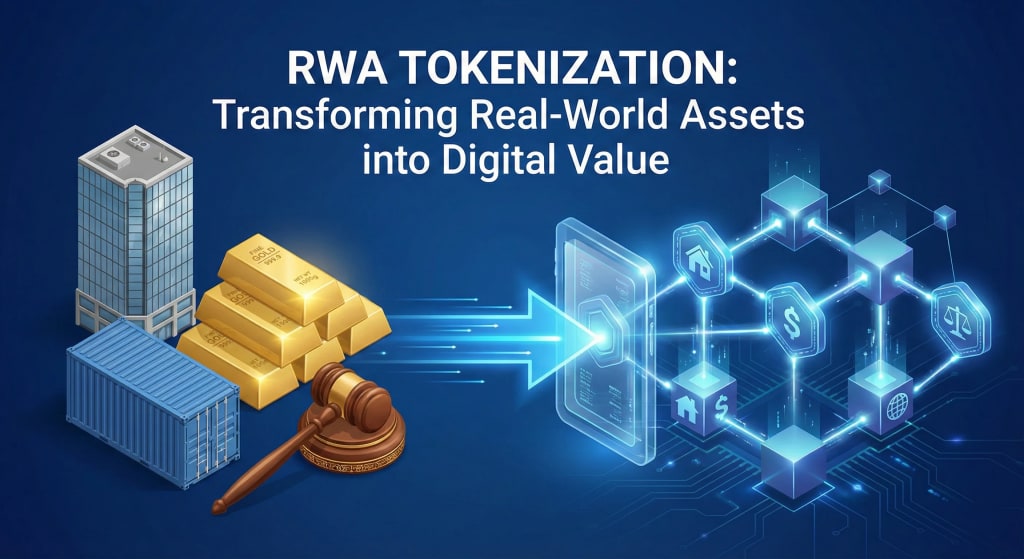
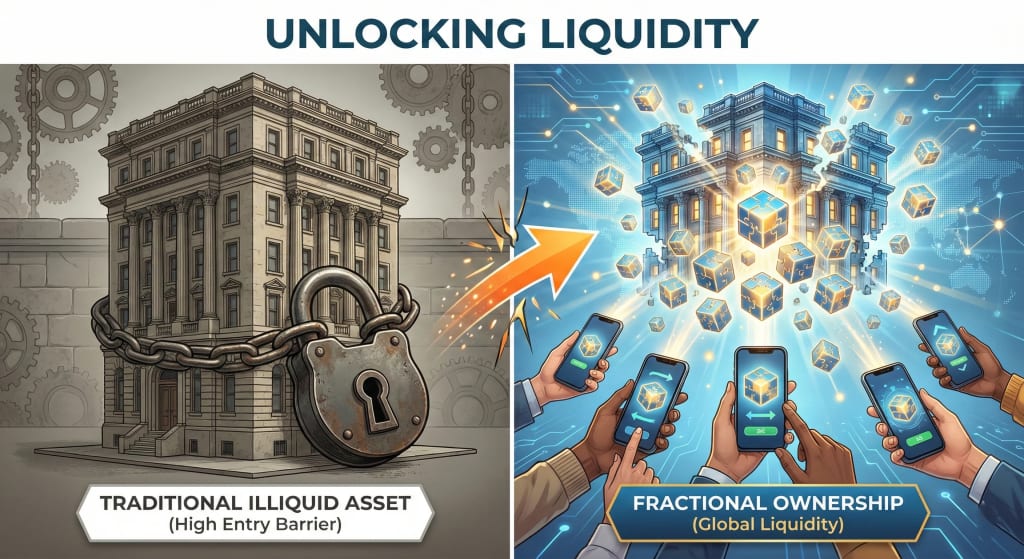
2. RWA Tokenization Unlocks Liquidity for Traditionally Illiquid Assets
Many valuable assets are illiquid by nature. Real estate, private equity, art, and commodities often require large capital commitments and long holding periods.
RWA tokenization changes this by representing ownership as divisible digital tokens. These tokens can be transferred or traded without selling the entire asset.
Here’s where pointers help clarify impact:
Tokenization allows:
- fractional ownership
- faster secondary transfers
- broader investor participation
This is why real world assets crypto initiatives are gaining interest from both institutions and emerging markets.
3. Blockchain Programming Enables Automated Asset Operations
Managing assets doesn’t stop at ownership. Payments, revenue distribution, compliance checks, and lifecycle events all add operational overhead.
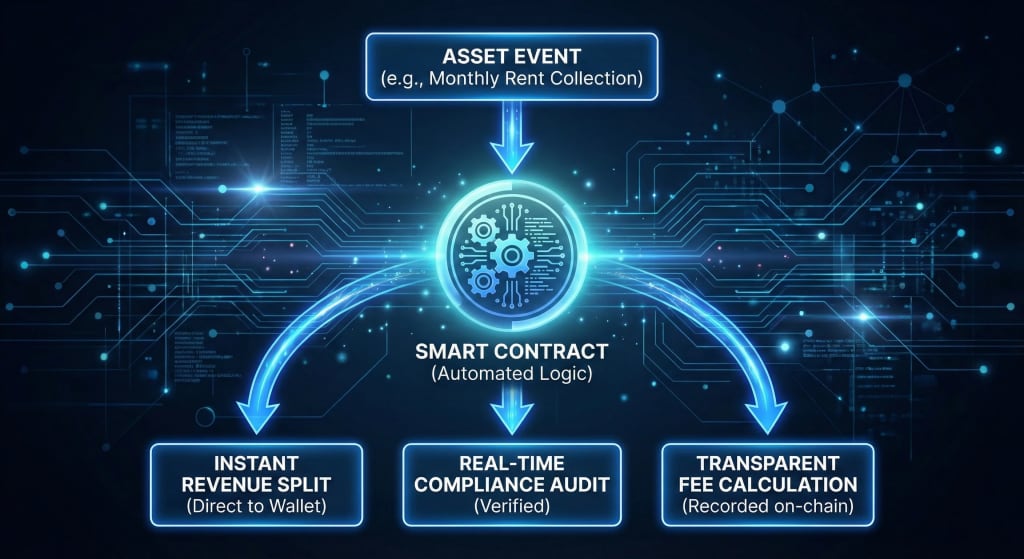
Through blockchain programming, these processes can be automated using smart contracts that enforce rules consistently.
Automation enables:
- scheduled payouts
- rule-based access control
- transparent fee calculations
Instead of relying on manual coordination, blockchain technology embeds logic directly into asset workflows.
For teams building automated asset logic, our smart contract development services support tokenized asset systems.
4. Real World Assets Crypto Models Improve Transparency and Trust
Trust is a major barrier in asset markets, especially across borders. Investors often rely on intermediaries to confirm asset status, valuation, or ownership history.
Blockchain changes this dynamic. With real world assets crypto systems, transaction history and asset metadata can be verified independently.
Transparency improves:
- investor confidence
- regulatory oversight
- auditability
This is one of the strongest non-speculative reasons institutions are exploring RWA adoption.
5. Tokenization Expands Global Access to Real World Assets
Traditional asset markets are geographically and financially gated. Many investors are excluded due to jurisdictional barriers or minimum investment sizes.
Tokenization on blockchain lowers these barriers by standardizing access and enabling digital participation.
Benefits include:
- borderless asset exposure
- smaller entry thresholds
- programmable compliance rules
This global accessibility is especially impactful for emerging markets, where access to traditional asset classes is limited.
For teams designing compliant access models, our blockchain consulting services help balance openness with regulatory requirements.
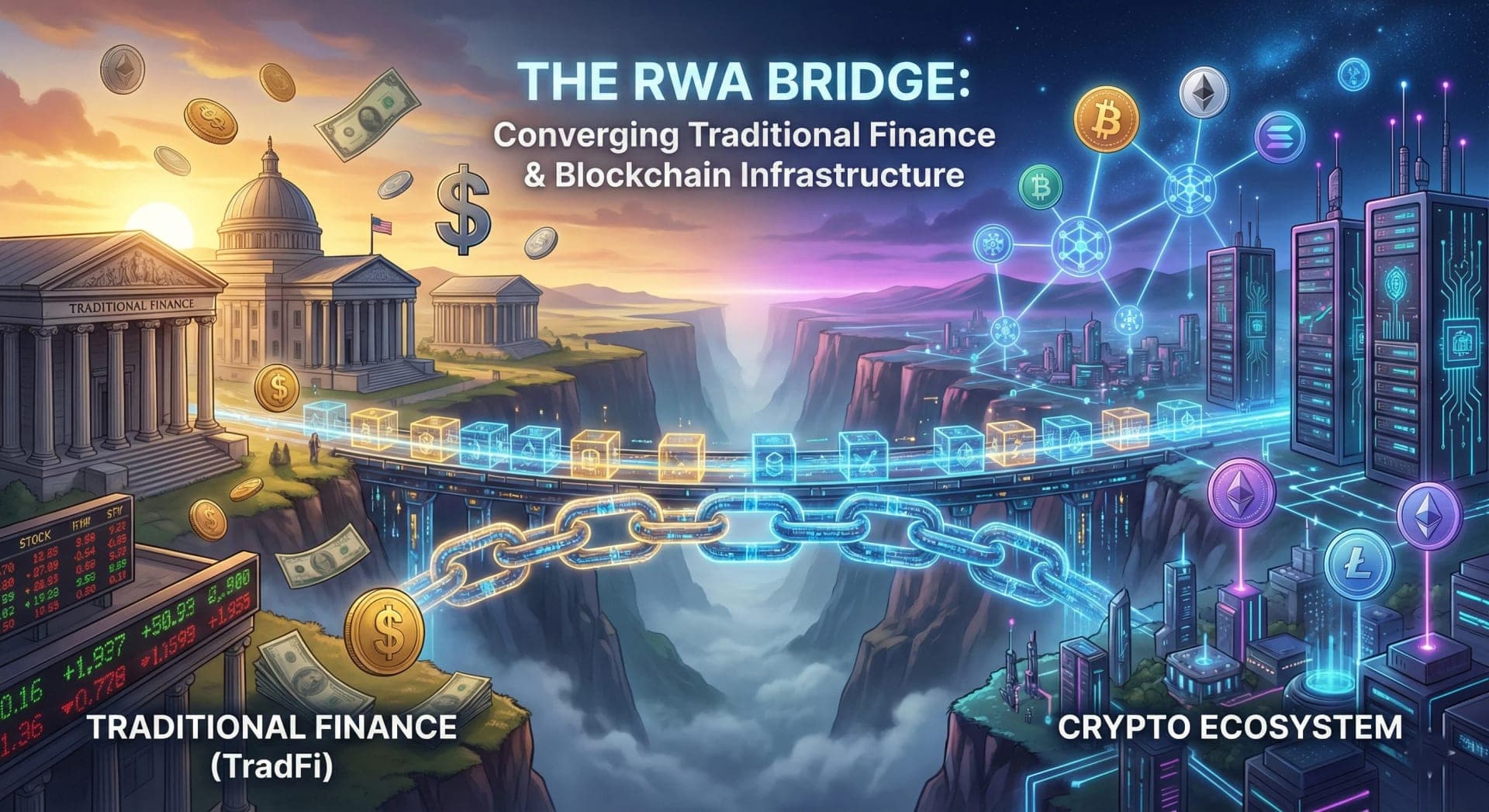
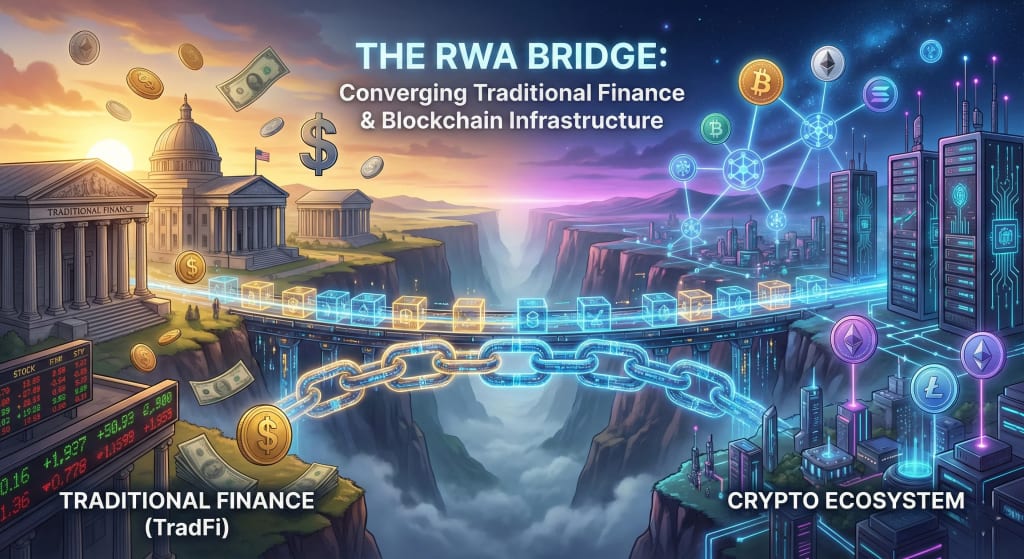
6. Blockchain Technology Creates a Bridge Between Traditional Finance and Crypto
Perhaps the most important reason real world assets are moving on-chain is convergence. RWA tokenization connects traditional finance with decentralized infrastructure.
Blockchain becomes:
- a settlement layer
- a coordination layer
- a transparency layer
Instead of replacing existing systems outright, blockchain technology integrates with them, allowing gradual adoption without systemic disruption.
This bridge is why RWAs are seen as one of the most sustainable growth paths in the crypto ecosystem.
FAQ: Real-World Assets and Blockchain
Q: What does RWA mean in crypto?
A: It refers to tokenized representations of real world assets on blockchain.
Q: Does RWA tokenization change the asset itself?
A: No. It changes how ownership and transfer are managed.
Q: Are real world assets crypto-only investments?
A: No. They often mirror traditional assets with blockchain-based infrastructure.
Q: Is blockchain programming required for RWA projects?
A: Yes. Smart contracts manage logic, compliance, and automation.
Q: Are RWAs regulated?
A: Regulation depends on jurisdiction and asset type.
Conclusion
Real world assets are moving to blockchain not because of speculation, but because existing systems are inefficient at scale. RWA tokenization offers clearer ownership, improved liquidity, automated operations, and global accessibility, all built on reliable blockchain technology.
As real world assets crypto models mature, blockchain won’t replace traditional finance overnight. Instead, it will quietly upgrade how assets are issued, managed, and exchanged. This is where EthElite operates: designing RWA architectures that integrate compliance, automation, and onchain execution without breaking existing financial workflows.
And that shift has already begun.
Share with your community!